Trinidad and Tobago’s opposition lawmakers have launched a coordinated constitutional challenge against the government’s proposed ‘hot spot’ crime legislation, warning the bill establishes dangerously draconian powers that could persist long after the current State of Emergency expires.
Speaking ahead of Parliament’s first 2026 session on January 16, Opposition Chief Whip Marvin Gonzales characterized the proposed law as constitutionally problematic and poorly consulted. He revealed the opposition first became aware of the legislation during the Christmas period and has since identified numerous concerning provisions, including fines up to $20,000 for obstructing security operations or providing false identification.
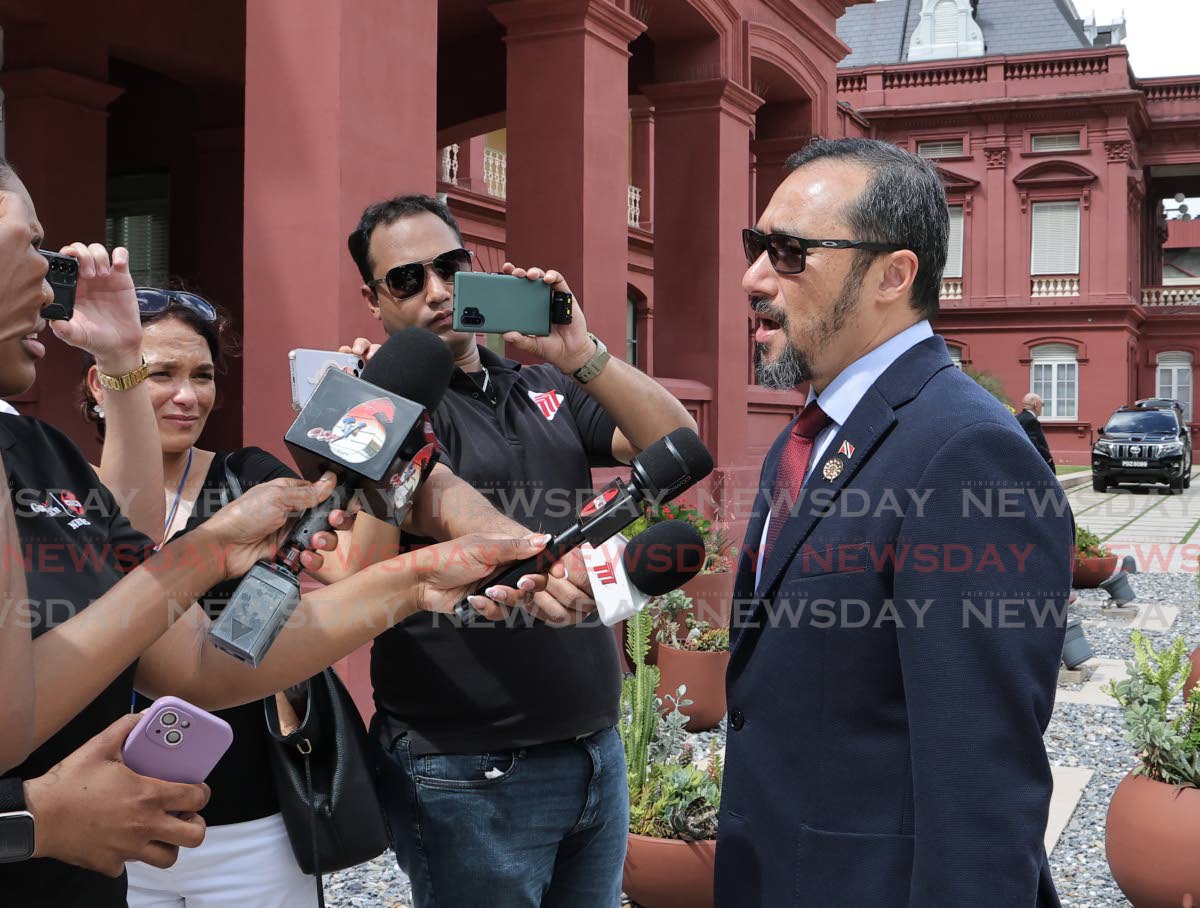
‘The government should have engaged in appropriate consultations with national community groups for a bill of such constitutional gravity,’ Gonzales told reporters outside the Red House. ‘We intend to canvass these issues thoroughly during parliamentary debate.’
Gonzales questioned the timing of the legislation, noting it emerges just days before the State of Emergency’s expiration. He recalled government officials initially justifying the SoE based on specific security threats rather than general crime, yet now cite crime as the primary justification for the new powers.
Former National Security Minister Stuart Young delivered even sharper criticism, labeling the proposal ‘unconstitutional and draconian.’ He expressed particular alarm over the concentration of power in the prime minister’s hands, enabling the designation of neighborhoods for military and police lockdowns.
‘All power now resides in one person: a prime minister being able to say your neighborhood is one that security forces can literally lock down,’ Young stated. He noted the bill would authorize warrantless searches, curfews, and area cordoning without judicial oversight.
Young revealed the legislation appears borrowed from Jamaican statutes rather than establishing legal precedent, noting Jamaica’s Supreme Court has already ruled on similar provisions’ constitutionality.
Laventille West MP Kareem Marcelle warned the bill could effectively create a permanent State of Emergency while stigmatizing entire communities. He questioned the vague criteria for designating ‘hot spots’ and cautioned against demonizing neighborhoods based on incomplete crime data.
Marcelle highlighted particularly concerning provisions allowing 72-hour curfews and warrantless home entries by Defense Force members for offenses ranging from loud music to serious crimes. ‘Soldiers aren’t trained to enforce summary offenses,’ he noted, warning the ambiguity creates risks for both citizens and law enforcement.
All three opposition MPs predicted legal challenges would emerge against the legislation, with Young noting lawyers are already preparing constitutional cases. Gonzales added that even with government control of the House, Senate support would be necessary given the bill’s constitutional implications.