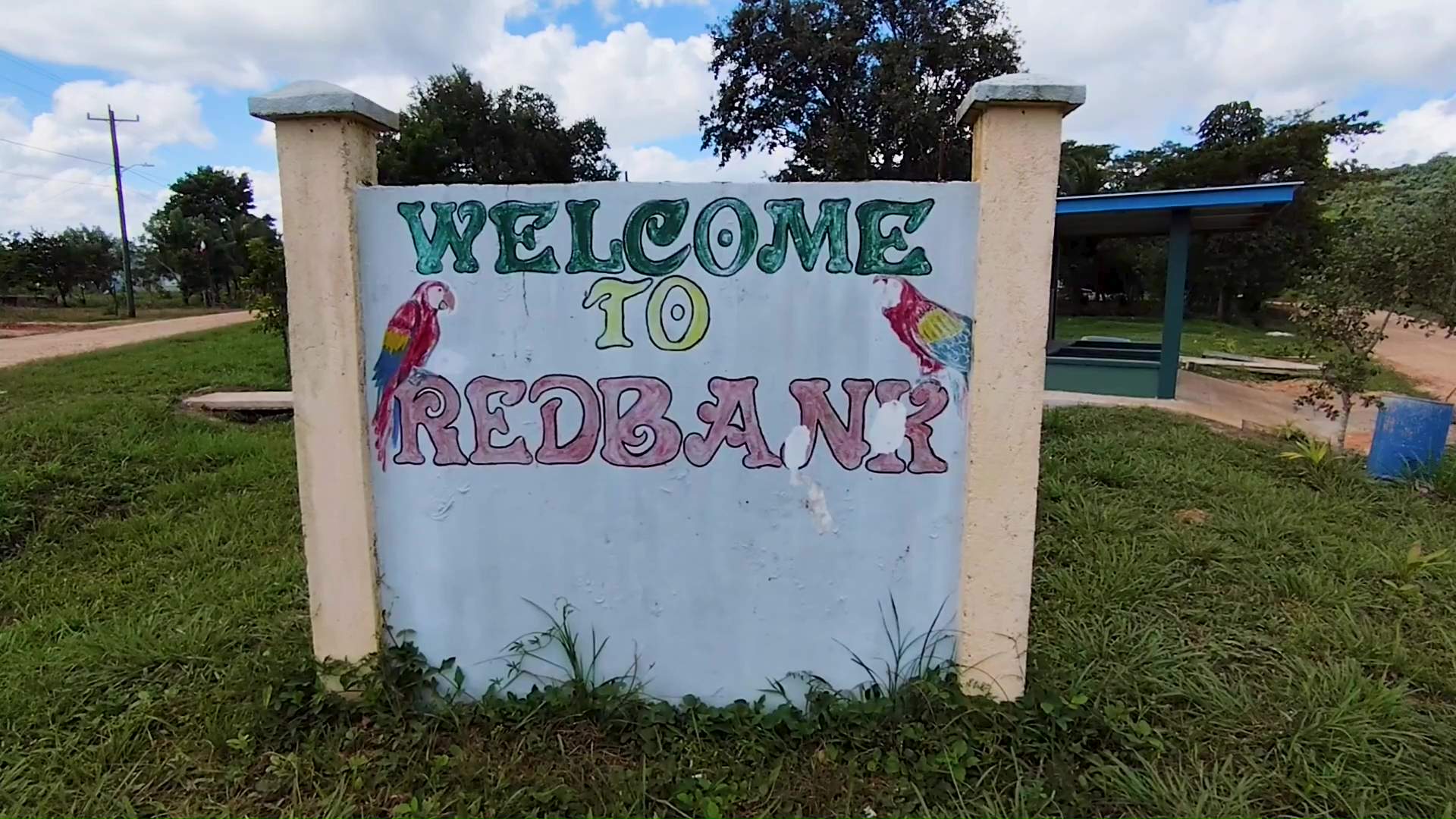
A contentious public consultation regarding the establishment of a Scarlet Macaw sanctuary in Belize’s Maya Mountains culminated in physical altercations and an abrupt termination of proceedings this Tuesday evening. The gathering, which extended over three and a half hours in Red Bank Village, witnessed escalating tensions as residents overwhelmingly rejected the government’s conservation proposal.
Minister of Sustainable Development Orlando Habet acknowledged significant communication failures between governmental authorities and the local community as a primary catalyst for the discord. Despite expressing disappointment regarding the residents’ decisive ‘no’ vote, Minister Habet maintained an optimistic perspective, suggesting that renewed dialogue could potentially salvage the initiative.
Local tour operators presented multifaceted concerns during the consultation, highlighting issues ranging from illegal logging activities to land surveying complications. Basilio Mes, an experienced guide, elaborated on the prospective economic advantages that Sanctuary Two classification could bring to the community. Unlike more restrictive conservation models, this designation would permit sustainable resource harvesting while establishing a tourism revenue-sharing mechanism for village development projects.
The proposed framework includes infrastructure enhancements such as road paving from the Southern Highway to Red Bank Village and equipment procurement for agricultural communities. Area Representative Rodwell Ferguson subsequently guaranteed his intervention with lands department officials to prevent unauthorized land sales in the contested region.
Minister Habet addressed resident apprehensions concerning potential farm relocations, proposing adaptable solutions including buffer zone establishment and private-public conservation partnerships. Tour guide Raul Tech emphasized the critical distinction between Sanctuary Two designation and more prohibitive conservation models, noting that sustainable traditional practices would remain permissible under the proposed arrangement.
Despite the current impasse, governmental authorities and tourism professionals remain hopeful that enhanced community engagement and transparent communication may eventually facilitate sanctuary establishment in this ecologically significant region.