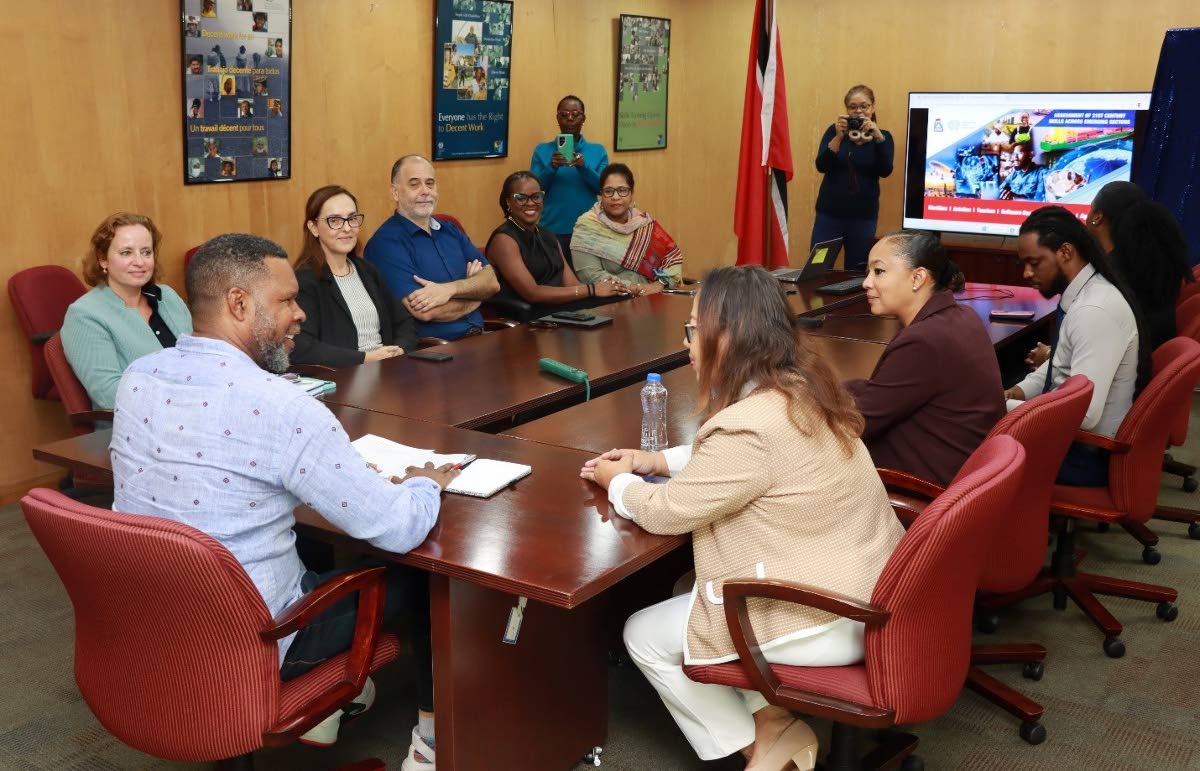
A comprehensive labor market analysis targeting five pivotal emerging sectors in Trinidad and Tobago has been unveiled, marking a significant stride toward reshaping the nation’s economic landscape. The National Institute of Higher Education, Research, Science and Technology (NIHERST), in partnership with the International Labour Organization (ILO), conducted this groundbreaking research to address critical workforce development needs.
The study, titled “Assessment of 21st Century Skills Across Emerging Sectors,” meticulously examines workforce requirements within five industries deemed essential for national progress: maritime operations, aviation services, tourism development, software design and applications, and agro-processing technologies. This collaborative initiative represents a strategic effort to bridge the gap between educational preparation and market demands.
According to official statements released on January 16, the research provides unprecedented insights into current and anticipated STEM workforce requirements. The findings offer actionable intelligence for crafting targeted policies and programs designed to enhance both workforce readiness and industrial competitiveness. Key objectives include identifying skill mismatches, quantifying demand for STEM graduates, and improving alignment between educational offerings and labor market requirements.
The recently launched reports serve as a vital resource for policymakers, educational specialists, industry leaders, and stakeholders committed to developing Trinidad and Tobago’s STEM workforce. The data will inform decisions regarding scholarship allocations, incentive programs, and curricular adjustments at public universities to ensure programs align with emerging sector needs.
Dr. Joni Musabayana, Director of the ILO Caribbean Decent Work Team, emphasized the organization’s commitment to providing tangible technical assistance: “This collaboration demonstrates our dedication to helping countries generate essential data for informed skills development decisions. By strengthening national capacity to anticipate future skills needs, we support Trinidad and Tobago’s efforts to diversify its economy and enhance productivity.”
Julie David, Acting President of NIHERST, highlighted the critical importance of research-informed planning: “These sectors possess global competitive potential and can meaningfully contribute to economic growth. However, we must strengthen our STEM capabilities while emphasizing 21st-century skills including digital literacy, problem-solving, critical thinking, and adaptability. The identified skill mismatches provide invaluable insights for policymakers, academics, and businesses making evidence-based decisions.”
David characterized the initiative as “an invitation to work across institutions and sectors to position Trinidad and Tobago as a hub of talent, creativity, and sustainable enterprise.” Digital copies of the complete reports are accessible through NIHERST’s official channels.