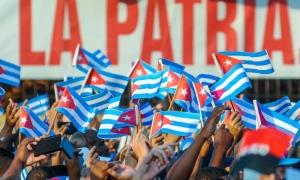
Across Cuba, a profound sense of collective mourning has enveloped the nation following the tragic loss of 32 citizens. Though unrelated by blood or personal acquaintance, these individuals have forged an indelible connection with their fellow Cubans through their ultimate sacrifice. The emotional impact transcends statistical figures, transforming into very real human stories that resonate deeply within the national consciousness.
The profound connection stems from what authorities describe as an attack revealing the unmistakable fascist tendencies and imperial ambitions of external adversaries. These fallen compatriots are now widely regarded as martyrs who demonstrated exceptional loyalty to their homeland, their legacy serving to strengthen Cuban identity and national pride.
National leaders have drawn parallels between this collective grief and the familial bonds that unite all Cubans. The concept of homeland has been equated to that of an extended family, where loss is multiplied yet shared equally among all members. This perspective has transformed personal tragedy into a unifying national experience.
Messages of solidarity have poured out to the immediate families of the deceased—mothers, wives, children, and close friends—with millions expressing not only shared sorrow but also unwavering commitment to justice. The Cuban people have demonstrated both their capacity for profound grief and their resilient spirit, vowing to honor the fallen through continued perseverance in facing future challenges.
The national response has highlighted the characteristic resilience of the Cuban spirit, with citizens across the island participating in moments of silence and memorial ceremonies. These events have served as both farewell to the departed and reinforcement of the collective determination to uphold the principles for which they sacrificed.