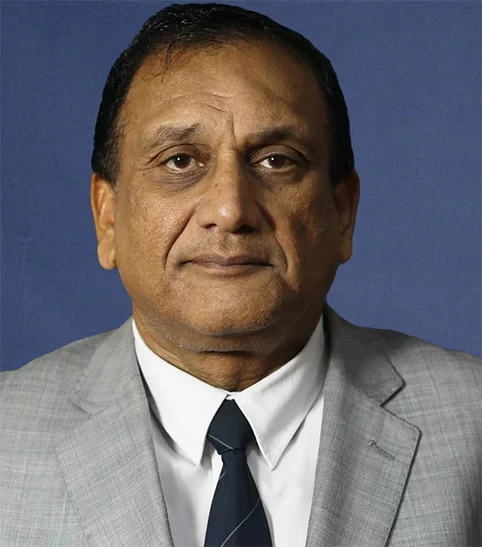
As Suriname’s Progressive Reform Party (VHP) commemorates its 77th anniversary on January 16, 2026, the political organization stands at a critical juncture requiring substantial internal transformation and strategic repositioning. According to prominent VHP member Henry Ori, the party confronts significant challenges despite its historical legacy of producing distinguished statesmen and exceptional parliamentary representatives.
The recent 2020-2025 governmental term saw VHP assuming executive responsibility with a party president who initiated substantial policy measures. However, the party currently faces targeted negative campaigns aimed at undermining its public standing. Ori emphasizes that VHP inherited substantial governance challenges from previous administrations and prevented Suriname from descending into bankruptcy and economic decline, though he acknowledges that party leadership made certain miscalculations during their tenure.
With over 40,000 registered members and extensive supporter networks, VHP represents a substantial political force rather than belonging to a select few individuals. The opposition period now provides opportunity for thorough evaluation, with the party possessing an assessment report and critical analysis from VHP Netherlands that should inform future direction.
The emergence of political populism coincides with diminishing public trust in traditional politics, creating an environment where VHP must reestablish credibility through concrete actions. This necessitates addressing fundamental societal issues including inequality, poverty disparities, unequal access to knowledge resources, employment challenges, housing shortages, and land distribution problems.
Ori advocates for developing self-cleansing mechanisms within the party structure, coupled with personnel renewal and ideological reinvigoration. VHP politics must demonstrate explicable policy choices connected to core party ideals while addressing Suriname’s pressing needs regarding wealth distribution, climate challenges, energy requirements, revenue generation, and investments in education, infrastructure, and healthcare systems.
Despite securing 17 parliamentary seats in recent elections—demonstrating significant voter support for its philosophy—the party must transition from distrust to trust and from self-interest to collective benefit. This anniversary serves as both celebration and call to action for organizational renewal and democratic revitalization throughout Surinamese politics.