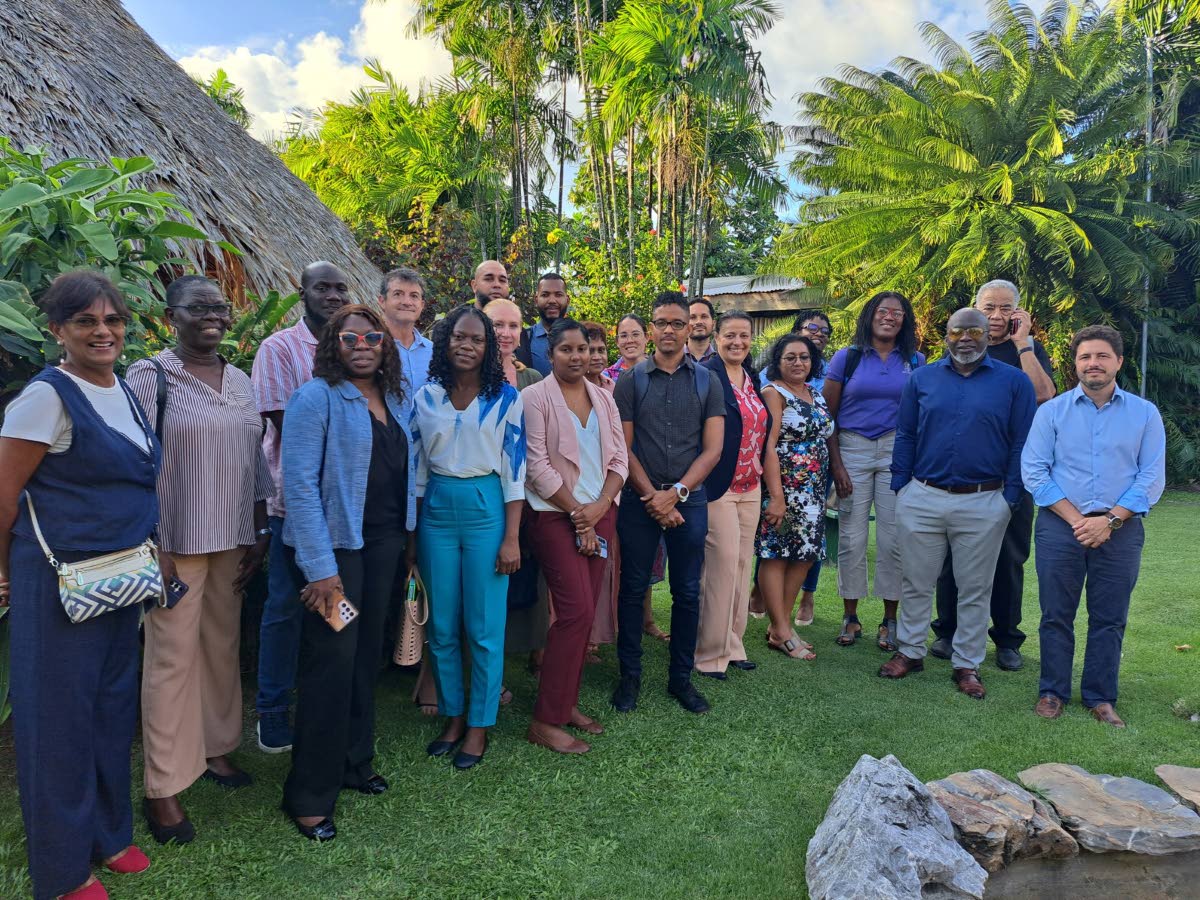
TOBAGO – In a groundbreaking workshop hosted by EuroChamTT (European Business Chamber in Trinidad and Tobago), United Nations development finance officer Mark Thomas presented a transformative perspective on corporate sustainability, challenging the perceived dichotomy between profitability and environmental responsibility.
The event, held at Kariwak in Tobago and attended by business leaders and EU diplomats including Ambassador Cécile Tassin, addressed the critical misconception that sustainability initiatives inherently conflict with financial success. Thomas, who coordinates UN partnerships across Trinidad and Tobago, Aruba, Curacao, and Sint Maarten, argued that profit serves as the essential catalyst for scalable sustainable solutions.
“Sustainable means profitable,” Thomas asserted, emphasizing that profitability enables reinvestment, growth, and systemic change. He reframed profit not as an expression of greed but as the essential fuel that transforms innovative ideas into world-changing solutions.
The workshop highlighted how global commitments like the Paris Agreement and Sustainable Development Goals are reshaping economic landscapes. Companies embracing sustainable practices now benefit from preferential financing, insurance terms, and market access, while those neglecting environmental and social responsibilities face increasing costs and regulatory pressures.
Tobago’s tourism industry exemplifies this interconnection, where degraded reefs and eroded beaches directly threaten economic viability. Similarly, Trinidad confronts business risks through infrastructure vulnerabilities, energy reliability issues, and social instability.
Rather than starting from scratch, Trinidad and Tobago possesses unique advantages: Trinidad’s sophisticated energy infrastructure and industrial expertise, combined with Tobago’s premier tourism offerings, create exceptional opportunities for sustainable transformation. The islands can leverage these assets to develop waste-to-energy systems, water-smart agriculture, and technical training programs that address both environmental and economic needs.
The event emphasized that government leadership remains essential in creating enabling environments through clear regulations, infrastructure investment, and policy alignment with global standards. This collaborative approach between business, government, and civil society creates a reinforcing cycle where strong businesses build stable communities, which in turn attract investment and fuel further growth.
As the global economy increasingly rewards sustainable practices, Trinidad and Tobago stands positioned to transform challenges into competitive advantages, proving that profitability and planetary responsibility are not opposing forces but complementary components of long-term success.