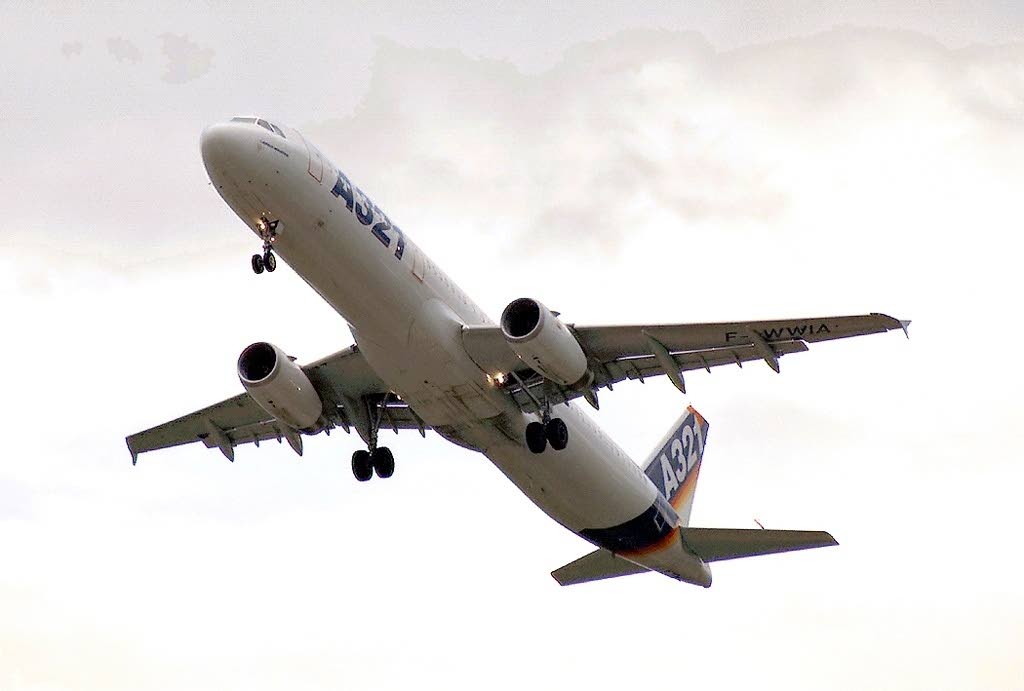
The complex world of aircraft leasing presents formidable financial risks for airlines, as demonstrated by multiple case studies of carriers facing severe contractual consequences. One particularly cautionary tale involves a local entrepreneur who embarked on establishing an airline, initiating the rigorous five-phase certification process mandated by the International Civil Aviation Organization (ICAO). The businessperson dry-leased an Airbus A321-131 jet from a United States leasing company, anticipating commercial operations.
Dry leasing arrangements—where airlines procure aircraft without crew, maintenance, or insurance—typically serve as long-term solutions spanning three to twelve years, ideal for market expansion or new route development. However, when the entrepreneur abruptly withdrew the air operator certificate application mid-process, contractual obligations triggered severe financial repercussions.
The lease agreement stipulated return conditions requiring the aircraft to qualify for a US 14 CFR Part 121 Certificate, mandating compliance with all Federal Aviation Administration (FAA) modifications and inspections through a Continuous Airworthiness Maintenance Programme (CAMP). The aircraft had reached threshold requirements under the Supplemental Structural Inspection Programme (SSIP), compelling the lessee to expend millions addressing mandatory airworthiness standards—ultimately forcing the sale of both lucrative business assets and personal real estate.
This scenario exemplifies a broader pattern in aviation leasing. Historical precedents include BWIA’s experience when acquiring an MD83 twinjet, where personnel discovered an ‘as is, where is’ clause only upon delivery refusal attempts. Similarly, BWIA’s seven-year dry lease of two Airbus A321-131 aircraft resulted in substantial financial losses when leadership deemed the aircraft type inappropriate. With no termination grounds available, the carrier subleased to Turkish operator Air Alpha at reduced rates, incurring monthly deficits of $20,000 per aircraft.
More recently, Caribbean Airlines faced significant penalties when discontinuing its London Gatwick route, agreeing to early redelivery of two Boeing 767-300ER aircraft with termination penalties totaling $135,000 monthly per aircraft. The carrier’s current commitment to four Boeing 737 MAX 8 aircraft through twelve-year leases with Air Lease Corporation further underscores the long-term financial commitments inherent in aircraft leasing.
Industry experts emphasize that lessors make substantial capital investments expecting fair returns, leaving airlines with subleasing as the most practical alternative when aircraft become unnecessary. Fleet planning represents a critical strategic function balancing capacity, range, fuel efficiency, and maintenance considerations—a data-driven process profoundly impacting operational viability and financial sustainability.