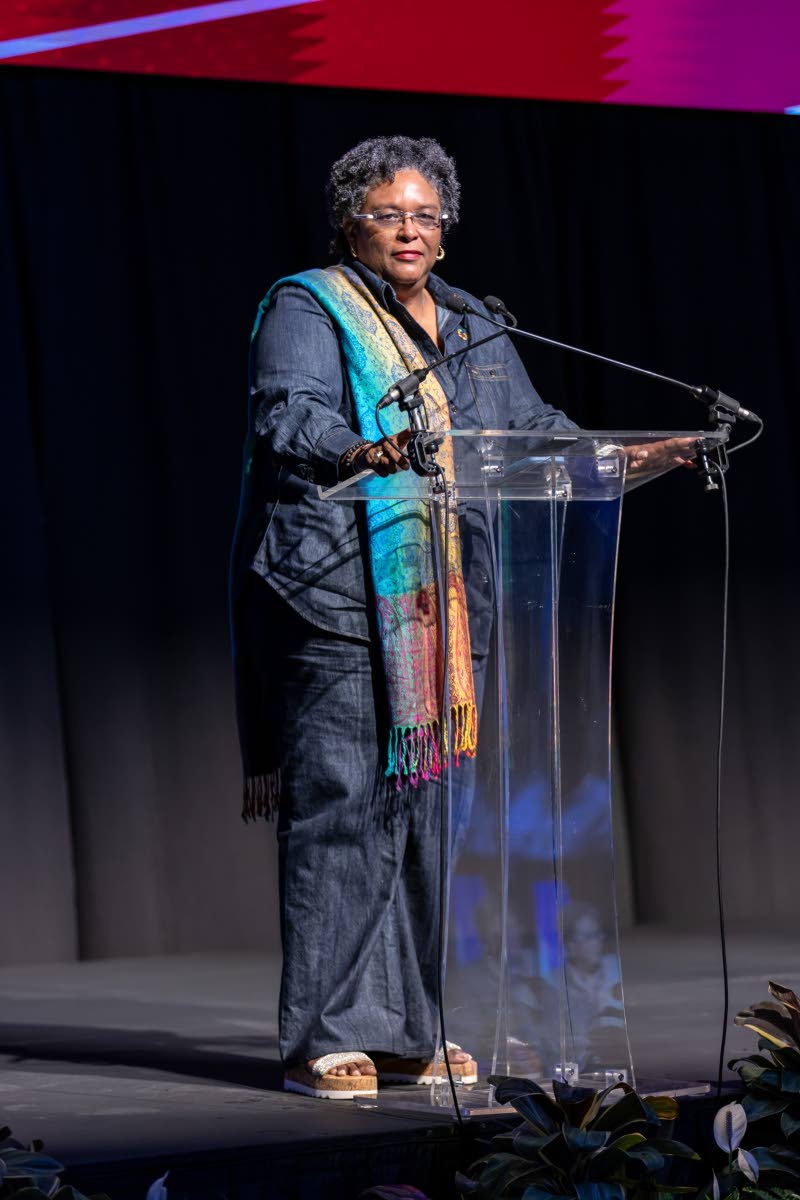
Barbados Prime Minister Mia Mottley has established herself as a principled advocate for social justice throughout the Caribbean region, distinguishing herself from previous regional leaders through her unwavering stance against foreign intervention and democratic backsliding.
Prime Minister Mottley has recently condemned two significant regional developments: the controversial kidnapping of Venezuelan President Nicolás Maduro by US military forces and the delayed election results declaration following Guyana’s March 2020 general election. This assertive diplomatic posture marks a dramatic departure from the historical approach of Caribbean Community (CARICOM) leaders, who frequently remained silent during decades of democratic erosion throughout the region.
The editorial commentary highlights how previous generations of Caribbean leaders remained passive observers while the United States implemented aggressive foreign policies that undermined elected governments. Guyana specifically suffered devastating consequences from such interventions, with US actions based on unsubstantiated fears of communist takeover leading to widespread violence that particularly targeted Indo-Guyanese communities.
The analysis draws historical parallels between contemporary US foreign policy under President Donald Trump and ancient expansionist models dating back to Alexander the Great and the Roman Empire. This continuity of Western imperialistic mentality, the argument suggests, manifests today through America’s ruthless removal of foreign regimes that resist resource exploitation demands.
The commentary calls for more regional leaders and citizens to emulate Mottley’s courage in confronting social injustice. While elected officials should naturally lead this charge, ordinary citizens also bear moral responsibility to voice opposition to oppression. Unfortunately, many Caribbean residents remain enamored with US military power, with some even embracing Trump-like behavior patterns.
Mottley demonstrates that moral authority doesn’t require military or economic supremacy, offering an alternative model of leadership based on principle rather than power. Had such leadership emerged earlier in Caribbean history, the editorial contends, authoritarian figures like Dési Bouterse, François Duvalier, Eric Gairy, Forbes Burnham, and Rafael Trujillo might never have risen to power, potentially creating a more prosperous and stable region that retained rather than lost its population to migration.