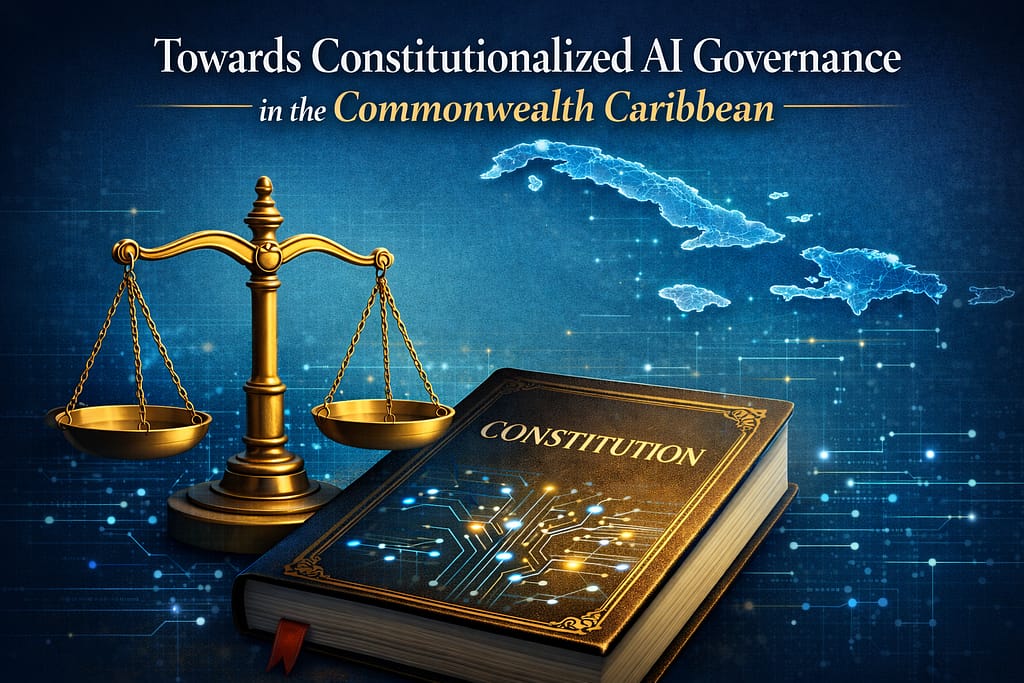
A groundbreaking movement is emerging within the Commonwealth Caribbean as legal scholars and policymakers advocate for the constitutionalization of artificial intelligence governance. This initiative represents a proactive approach to embedding AI regulatory frameworks directly into the constitutional architecture of Caribbean nations.
The proposed constitutional model addresses the unique socio-economic and cultural context of the Caribbean region while establishing comprehensive safeguards for digital rights, algorithmic transparency, and ethical AI development. By elevating AI governance to constitutional status, these nations would create permanent legal protections against algorithmic discrimination, data exploitation, and unauthorized surveillance practices.
This constitutional approach distinguishes itself from conventional legislation by providing stronger judicial enforcement mechanisms and creating immutable citizen rights in the digital domain. The framework emphasizes regional cooperation while allowing for jurisdictional adaptations based on individual national requirements.
Legal experts highlight that constitutionalized AI governance would position the Commonwealth Caribbean at the forefront of technological regulation, potentially establishing international standards for democratic digital governance. The movement reflects growing recognition that AI’s transformative potential requires equally transformative legal frameworks to ensure these technologies serve rather than undermine democratic values and human rights.
The initiative has sparked regional dialogue about the intersection of technology law, constitutional theory, and post-colonial legal development, representing a significant innovation in how emerging technologies are governed within democratic systems.