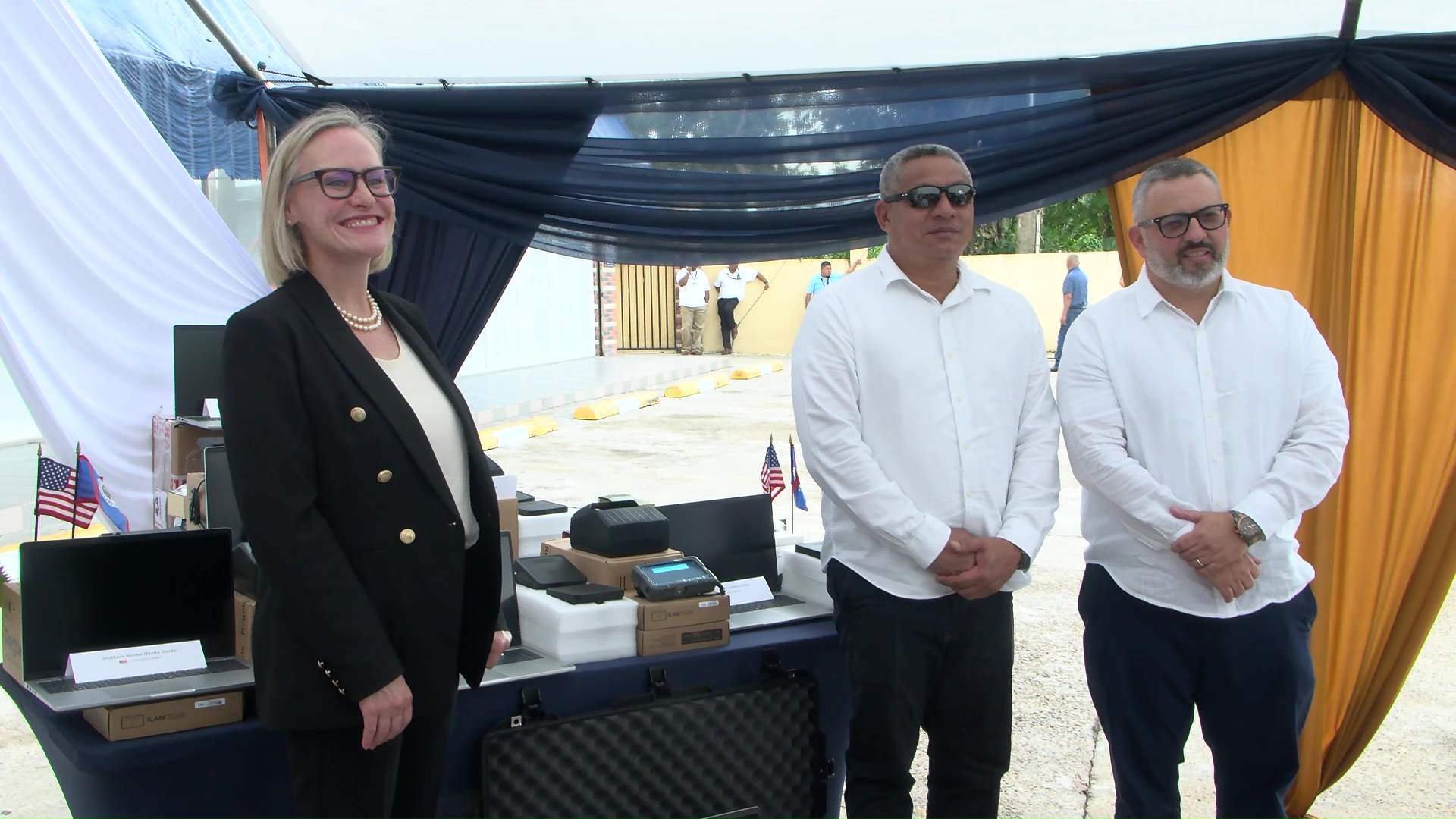
In a significant advancement for national security infrastructure, Belize has officially activated a comprehensive Biometric Data Sharing Program in collaboration with the United States. The innovative system, formally launched on January 12, 2026, implements facial recognition and fingerprint scanning technologies at all major international airports and strategic land border crossings.
The program represents a bilateral effort to enhance border protection mechanisms while modernizing migration management protocols. Funded through a $250,000 partnership grant from the U.S. State Department’s Bureau of International Narcotics and Law Enforcement Affairs (INL), the initiative marks a new chapter in the enduring security partnership between the two nations.
Immigration Minister Kareem Musa characterized the technological upgrade as “groundbreaking” for Belize’s national security framework. The system specifically targets international travelers presenting potentially fraudulent documentation or engaging in suspicious activities. Minister Musa emphasized that Belizean nationals need not fear privacy infringements, as the program focuses exclusively on secondary screening for individuals providing misleading information or triggering security alerts.
U.S. Embassy Chargé d’Affaires Katherine Beamer highlighted the multidimensional nature of the partnership, noting that beyond hardware and software implementation, the program facilitates critical expertise exchange and capacity building in border security best practices.
The technological rollout includes specialized training for Belizean immigration officials and will be complemented by a mobile interdiction unit within the Belize Police Department. Home Affairs Minister Oscar Mira confirmed this specialized unit will operate nationally rather than solely at entry points, enhancing the country’s internal security monitoring capabilities.
With this implementation, Belize joins regional counterparts including Mexico and Panama in adopting advanced biometric screening technologies, positioning the nation at the forefront of Central American border security innovation.