Iran stands at a critical juncture as nationwide protests enter their third week, with human rights organizations reporting a death toll exceeding 500. The regime has adopted a paradoxical stance—issuing war readiness declarations while simultaneously extending diplomatic overtures to the United States. This complex dynamic unfolds against President Donald Trump’s explicit warning that American interests would trigger retaliatory strikes.
According to US-based monitoring group HRANA, the civil unrest has resulted in 490 protester fatalities and 48 security personnel deaths, with arrests surpassing 10,600 individuals. Iranian authorities have intensified their response through a nationwide communications blackout exceeding 72 hours, effectively isolating the country from global digital networks.
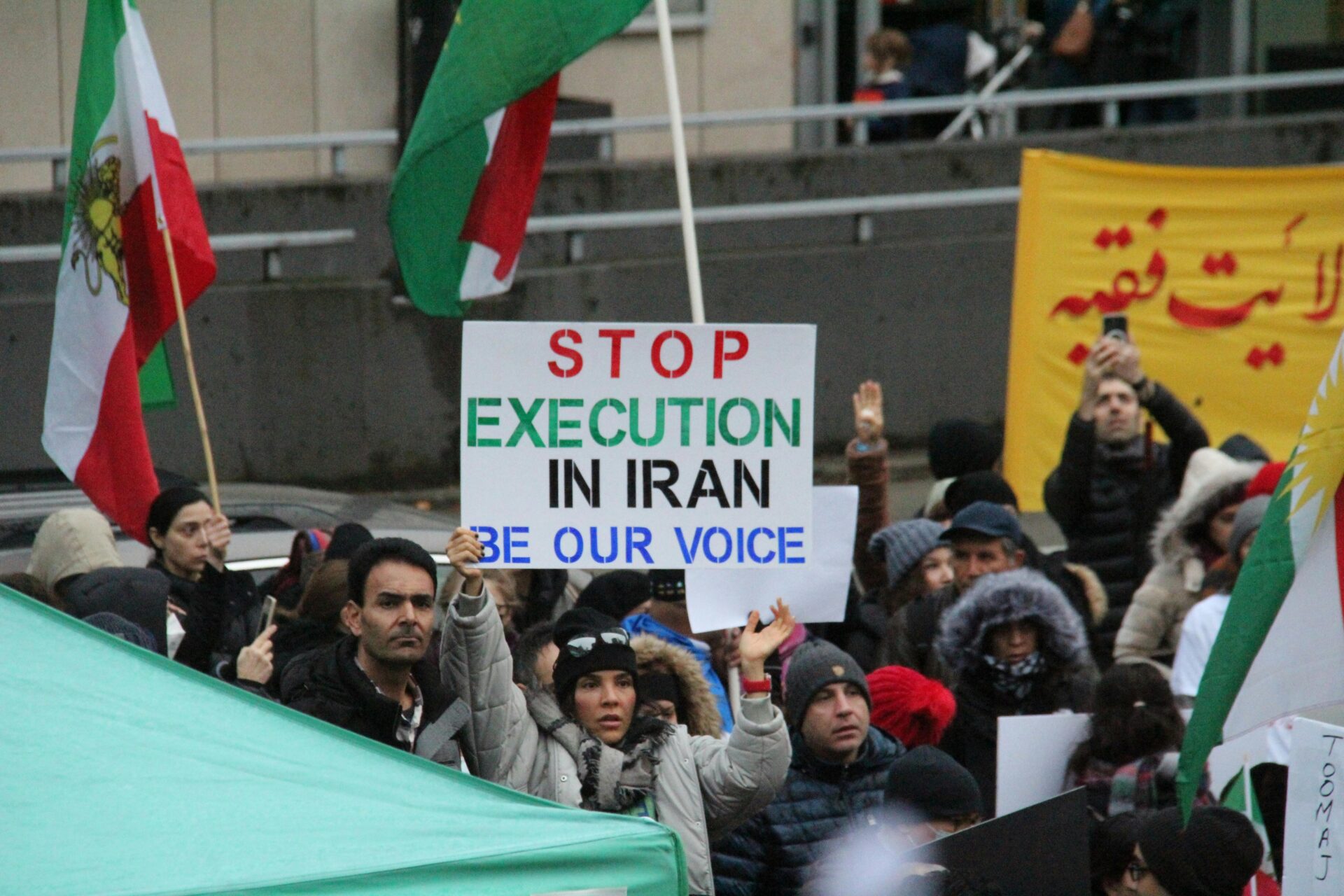
The protests, representing the most significant challenge to Tehran’s authority since 2022, have ignited international solidarity demonstrations. These gatherings have occasionally turned confrontational—Los Angeles witnessed a vehicular assault on anti-regime protesters, while London saw the Iranian embassy’s flag desecration, prompting Tehran to summon Britain’s ambassador.
State media broadcasted pro-government rallies featuring President Masoud Pezeshkian and Foreign Minister Abbas Araghchi, who urged citizens to demonstrate resilience against what officials termed ‘foreign-instigated riots.’ Simultaneously, security forces have escalated efforts to disrupt Starlink satellite internet services, with IranWire reporting equipment confiscations and terminal jamming operations.
Amid the turmoil, diplomatic channels show subtle activity. Iranian diplomats have reestablished contact with US envoy Steve Witkoff through communication pathways originally created during nuclear negotiations. Though President Trump claims Iranian leaders seek direct talks, the foreign ministry only acknowledges that ‘certain points and ideas have been presented by the other side.’
The European Parliament has taken a firm stance, announcing a comprehensive ban on Iranian diplomats from its premises. President Roberta Metsola declared the EU legislature would not ‘legitimize a regime sustained through torture, repression and murder.’
As Israel heightens alert levels following US intervention threats, Washington prepares to evaluate response options including military strikes, cyber operations, sanctions expansion, and digital support for protesters. This multilayered crisis—combining domestic rebellion, international diplomacy, and potential armed conflict—poses the most severe test to Iran’s political stability in recent history.