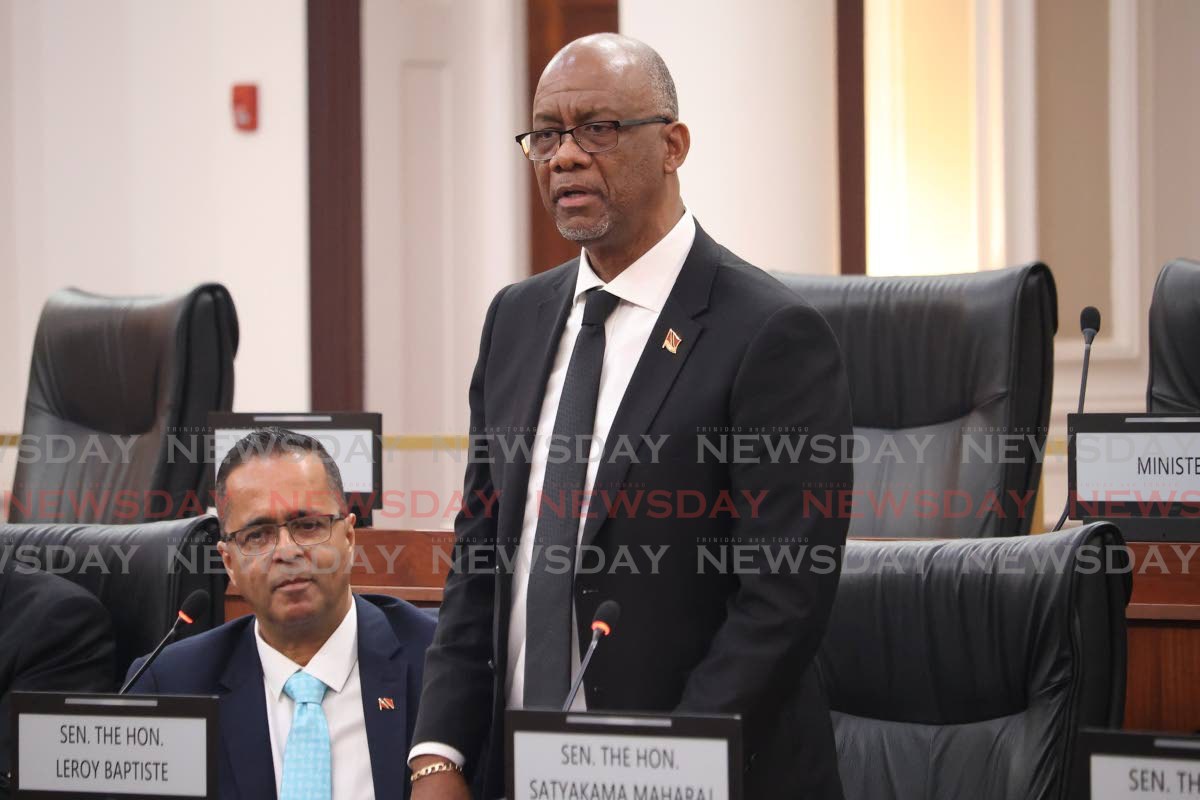
The Trinidad and Tobago government is undertaking sweeping reforms to modernize labor legislation, offering enhanced protections for workers facing redundancy and expanding parental benefits. Minister of Labour, Small and Micro Enterprise Development Leroy Baptiste unveiled the comprehensive amendments during a January 11 press conference, addressing critical gaps in existing laws.
The revisions to the Retrenchment and Severance Benefits Act of 1985 represent a significant expansion of worker safety nets. The proposed changes would increase severance pay calculations to three weeks’ wages per year of service for employees with one to five years of tenure, and one month’s pay per year for those exceeding five years of service—substantially improving upon current compensation structures.
Crucially, the government is redefining ‘redundancy’ to include insolvency, receivership, and operational discontinuation, closing legal loopholes that allowed unscrupulous employers to evade severance obligations. ‘These activities would have rendered workers without any recourse under the act,’ Baptiste explained, emphasizing that the amendments would ensure compensation regardless of termination circumstances.
Parallel reforms to the Maternity Protection Act of 1994 introduce groundbreaking parental benefits extending to fathers and adoptive parents. The amendments eliminate the 24-month limitation on leave benefits that previously penalized women for multiple pregnancies within a year. Nursing mothers will gain statutory protections for paid breastfeeding breaks, while explicit provisions prohibit termination, demotion, or reduced pay due to pregnancy, maternity, paternity, or parental leaves.
The legal framework is also being strengthened through evidentiary shifts in discrimination cases, placing the burden of proof on employers. Industrial Court fines will be introduced for violations, and pregnancy testing for job applicants or employees will be prohibited. Contract workers gain protection against pregnancy-based non-renewal of contracts.
Minister Baptiste confirmed the revisions are currently with the Attorney General and will be presented to Parliament shortly, reflecting the government’s urgency in addressing outdated compensation structures and procedural gaps affecting vulnerable workers.