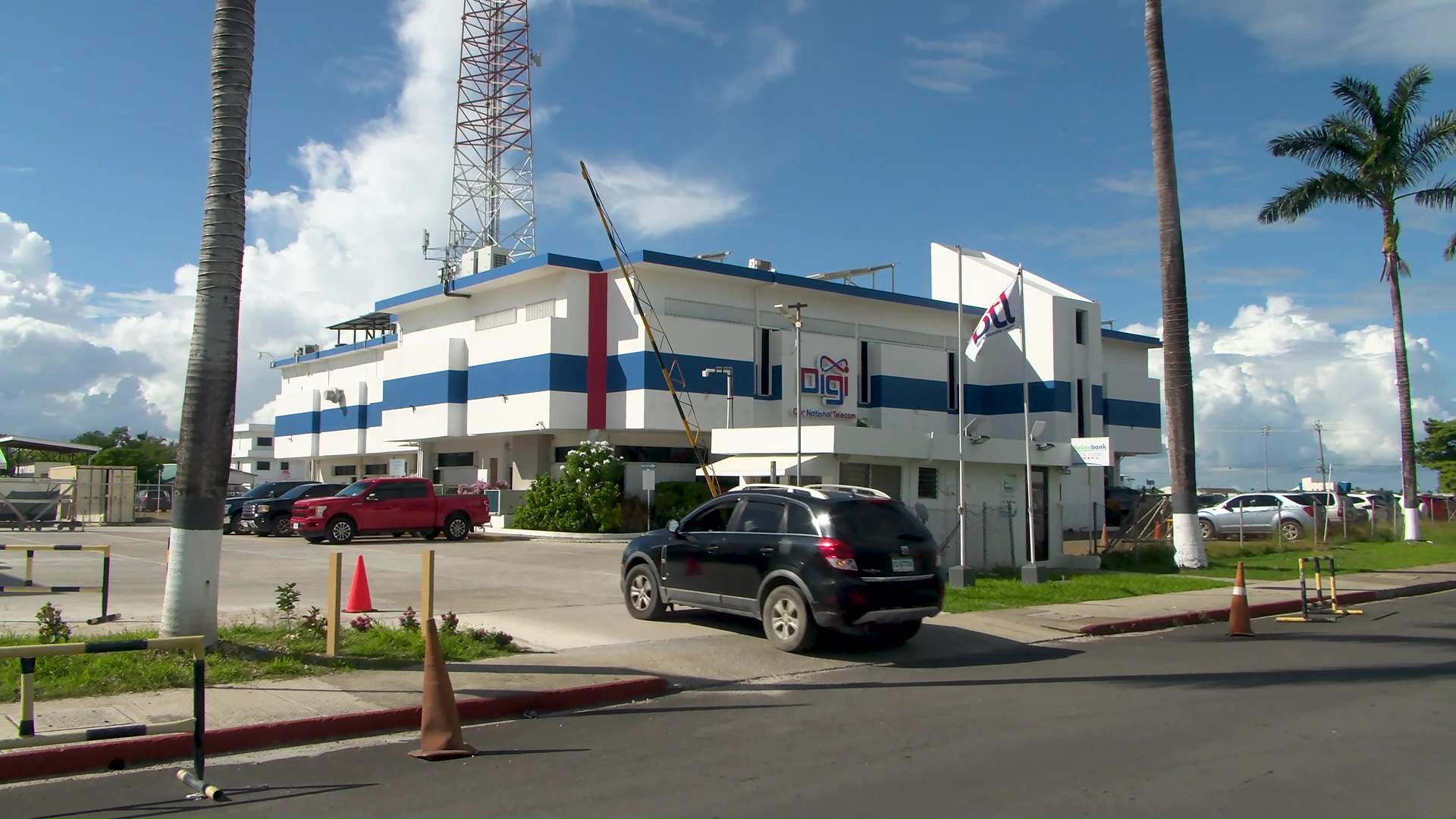
In a landmark development for Belize’s telecommunications sector, state-owned Belize Telemedia Limited (BTL) has formally announced its intention to acquire multiple private operators including Speednet, Central Television and Internet, and Southern Cable Network. The proposed consolidation, valued at approximately $170 million, represents one of the most significant financial maneuvers in the nation’s telecom history.
Chairman Markhelm Lizarraga broke months of speculation during a pre-board meeting press briefing, characterizing the move as an ‘industry rationalization and unification’ initiative that has been under consideration since 2018. Lizarraga emphasized the economic rationale behind the consolidation, citing extensive duplication in billing systems, software licensing, and infrastructure that ultimately burdens consumers with higher costs.
The acquisition strategy faces immediate scrutiny regarding governance and transparency. Journalists highlighted potential conflicts of interest, noting that Lizarraga’s brother holds ownership stakes in Central Television and Internet, while Prime Minister John Briceno—who appointed Lizarraga—has family interests in Speednet. These connections raise fundamental questions about whether a publicly-owned entity is acting in the national interest.
BTL management contends that the consolidation will generate substantial operational efficiencies through combined revenues and eliminated redundancies in power consumption, marketing, HR, IT, and tower infrastructure. The company projects the investment will achieve full payback within four years through enhanced annual cash flow. Consumer services are expected to remain unchanged regarding phone numbers and service offerings, with potential future price reductions subject to Public Utilities Commission benchmarking against competitive markets.
The absence of public consultation has drawn sharp criticism from civil society and labor organizations. The National Trade Union Congress of Belize has demanded immediate suspension of acquisition proceedings, full disclosure of beneficial ownership structures, and transparent national consultations. BTL maintains that as a private company, its decisions require public disclosure rather than consultation, though the government’s majority ownership implies significant public stakeholding.
As the proposal advances under increasing public scrutiny, the fundamental tension between corporate efficiency and public accountability remains unresolved. With hundreds of millions in public assets at stake, the outcome will likely reshape Belize’s telecommunications landscape for generations.