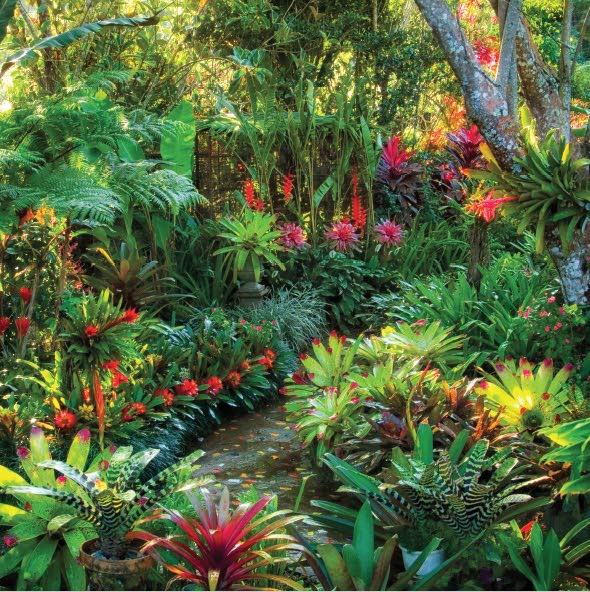
Beneath the surface of every thriving garden lies an often underestimated hero: soil. This complex ecosystem serves as the fundamental bedrock for plant development, providing structural support, essential nutrients, and vital hydration. Comprising four primary components—minerals, organic matter, air, and water—soil functions as a dynamic living system that sustains plant life through multiple mechanisms.
The composition of soil directly influences plant vitality, with different species requiring specific growing mediums that mimic their natural habitats. Tropical bromeliads flourish in well-draining, airy mixtures featuring orchid bark and perlite, while aroids like Philodendron and Monstera prefer chunky, organic-rich blends that balance moisture retention with proper aeration. Desert-adapted cacti and succulents demand fast-draining sandy compositions with minimal organic content, contrasting with moisture-loving ferns that thrive in humus-rich, consistently damp environments.
Orchids present a unique case study in specialized soil requirements. As epiphytes that naturally grow on trees rather than in ground soil, they require unconventional growing media that prioritizes airflow and drainage. Various orchid species have distinct preferences: Phalaenopsis orchids perform best with fine bark and sphagnum moss, while Cattleyas prefer coarse bark with charcoal, and Dendrobiums excel in coconut husk and perlite mixtures.
The science of soil management extends beyond simple composition. Factors such as particle size, water retention capabilities, and microbial activity collectively determine whether plants merely survive or truly thrive. By understanding these intricate relationships between soil properties and plant requirements, gardeners can create optimized environments that support robust root development, nutrient uptake, and overall plant health.
This knowledge transforms gardening from guesswork into a scientific practice, enabling cultivators to replicate natural ecosystems within controlled environments. The result is not just healthier plants but more sustainable and vibrant landscapes that reflect a deeper understanding of botanical needs.