Guyana’s financial markets are facing serious credibility challenges following explosive allegations by Banks DIH Chairman Clifford Reis, who claims the local stock exchange is dramatically undervaluing his company’s shares while showing preferential treatment toward competitors.
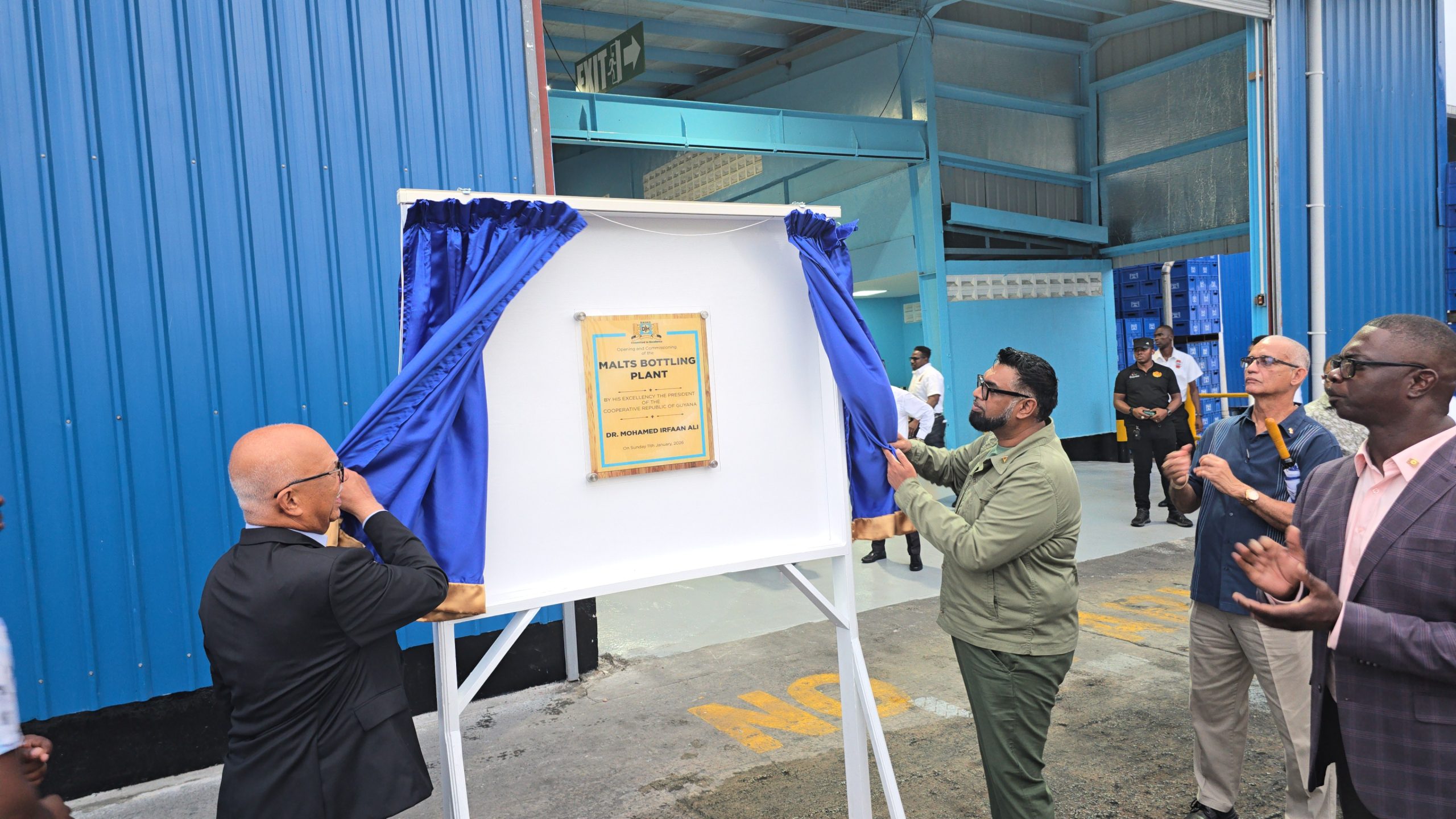
Speaking at the commissioning of the company’s new GY$13.7 billion malt bottling facility in Thirst Park, Reis presented compelling financial data suggesting systemic market failures. Despite Banks DIH’s shares trading at GY$155, the chairman asserted their true value should range between GY$400-450 based on performance metrics that significantly outpace competitors.
The controversy centers around glaring disparities: while a competitor’s shares trade at GY$200, Banks DIH demonstrates superior financial health with revenues surging 45% and profits increasing 54% between 2021-2025. The company reported a staggering GY$10.5 billion net profit—nearly double the competitor’s GY$5.5 billion—while maintaining a zero debt-equity ratio and funding its massive new plant entirely through internal cash flow.
Reis raised alarming questions about potential conflicts of interest, demanding transparency regarding broker company shareholders and their valuation methodologies. “Any reasonable person will consider that the stock market in Guyana cannot be taken seriously,” he stated, highlighting how a mere GY$1.00 price drop per share could wipe out GY$849 million in market capitalization.
The situation has reached the highest levels of government, with President Irfaan Ali—a former Banks DIH employee—pledging comprehensive stock market reforms. The President confirmed ongoing consultations would lead to modernization of Guyana’s financial architecture, including establishing a junior stocks exchange and ensuring fair valuation mechanisms that properly reflect company growth and asset values.
The newly commissioned facility itself represents a significant manufacturing advancement, capable of producing 400,000 beer cases monthly on single shift operations, with storage capacity for 900,000 cases, positioning Banks DIH for continued market dominance despite the current valuation controversies.