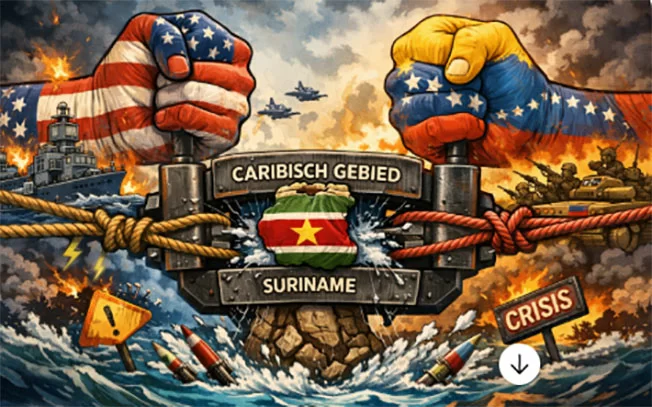
The Caribbean region, including Suriname, faces heightened economic vulnerability as global geopolitical tensions trigger ripple effects across energy markets, trade routes, and financial systems. Unlike larger economies with diversified production bases, Caribbean nations operate as highly open economies dependent on imports, foreign investment, and external demand, making them particularly susceptible to international shocks.
Suriname exemplifies this structural fragility, relying heavily on imported fuel, food, and consumer goods while deriving export revenues predominantly from limited sectors like gold and oil. This narrow economic base leaves the country exposed to external price fluctuations and market volatilities beyond its control.
Energy markets have become a primary transmission channel for global instability. Geopolitical tensions involving oil-producing nations and stricter international sanctions drive uncertainty, elevating transportation and insurance costs even without dramatic oil price surges. These increases directly impact fuel prices and electricity production costs, cascading into higher transport expenses, elevated production costs, and mounting consumer price pressures throughout Suriname’s economy.
Although less tourism-dependent than many Caribbean island nations, Suriname still faces risks through aviation disruptions and regional instability. International tensions can trigger flight cancellations, higher airfares, and traveler hesitancy, potentially reducing regional trade and service demand even for non-tourism-focused economies.
The region’s heavy reliance on maritime shipping for essential goods means trade route disruptions or stricter controls immediately translate to higher import costs and extended delivery times. In Suriname, this manifests as rising prices for food and basic necessities, disproportionately affecting lower-income groups and complicating inflation management.
Structurally, Caribbean governments operate with limited fiscal space due to high debt levels and dependence on external financing. During periods of international uncertainty, borrowing costs rise and investors grow cautious, forcing policymakers to balance budgetary discipline, social protection, and growth investments within shrinking margins.
While some regional variations exist—such as Guyana’s current oil-driven growth surge—the broader Caribbean remains collectively vulnerable to external developments. This economic reality shapes diplomatic approaches, with regional governments demonstrating reluctance to openly confront major powers like the United States, given its role as crucial trade partner, tourism market, and financial aid source.
The situation underscores the urgent need for economic diversification, enhanced regional cooperation, and prudent macroeconomic policies as international instability increasingly becomes the norm rather than the exception.