Marine scientists worldwide have unveiled groundbreaking discoveries spanning filtration technology, species identification, and paleontological reconstruction, revealing the ocean’s profound secrets from prehistoric eras to modern environmental challenges.
German researchers at the University of Bonn have developed a revolutionary filtration system inspired by fish gill anatomy. The innovation addresses the critical issue of microplastic pollution from washing machines, where a single household annually releases approximately 500 grams of synthetic fibers into waterways. For nations like Trinidad and Tobago with direct drainage systems, this accumulates into substantial oceanic pollution. By mimicking the cross-flow filtration mechanism of ram-feeding fish species—including anchovies and mackerel—scientists created a cone-shaped filter that captures 99% of microplastics without clogging. The design replicates how fish gills allow water passage while directing food particles toward the throat, offering an efficient nature-based solution to a pressing environmental problem.
The year 2025 witnessed an extraordinary expansion of taxonomic knowledge as institutions globally identified 70 new species through advanced genetic analysis and fossil examination. Discoveries ranged from Jurassic reptiles with python-like teeth to fossilized squirrels in China and feathered dinosaurs. Museum collections revealed previously overlooked species including Philippine fruit flies with specialized courting jaws, Vietnamese Teddy Bear Bees, and Chilean Digger Bees. Aquatic findings included a Congolese carp species, Vietnamese sucker-mouthed minnows, and an ancient crinoid genus near Quebec. Caribbean marine exploration uncovered new sea anemones while Peruvian Andes expeditions documented unique opossum specimens, demonstrating ongoing biodiversity revelation across ecosystems.
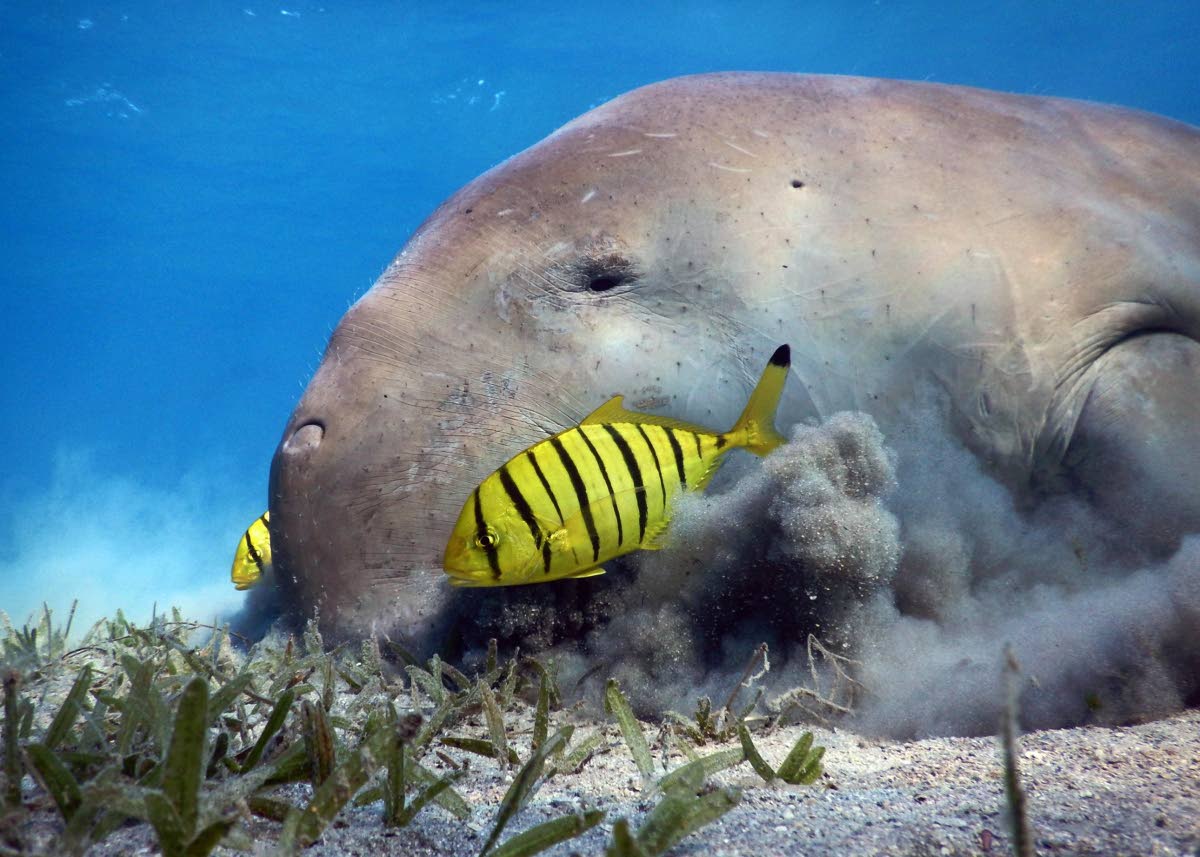
Qatari researchers collaborating with The National Museum of Natural History uncovered a significant bone bed of ancient sea cows near Bay of Salwa, dating to the Early Miocene period approximately 20 million years ago. The newly classified species, named Salwasiren qatarensis in honor of its discovery location, represents a dugong ancestor weighing merely 250 pounds—eight times smaller than modern counterparts. Analysis indicates these creatures maintained seagrass health through grazing activities, creating ecological pathways that supported diverse marine life. The fossil site, once part of the Eastern Tethys Seas, provides crucial insights into historical marine habitats and evolutionary adaptations, including the loss of hind limbs and development of straighter snouts in contemporary species.
McGill University paleontologists reconstructed Cretaceous marine ecosystems revealing super predators that dwarf contemporary oceanic hunters. During the Mesozoic Marine Revolution (145-100 million years ago), giant reptiles exceeding ten meters in length dominated food chains with up to six trophic levels—surpassing today’s average of five. Fossil evidence from Colombia’s Paja formation suggests warming oceans and rising sea levels created ideal conditions for predator diversification, where modern apex predators would have occupied lower trophic positions. The study of 157 ancient species demonstrates exceptionally complex food webs, challenging our understanding of prehistoric marine ecology and evolutionary biology.