Guyana’s political landscape erupted in controversy as two major opposition parties vehemently condemned the government’s clandestine negotiations with the Trump administration regarding the settlement of third-country nationals from the United States.
The We Invest in Nationhood (WIN) and Forward Guyana Movement (FGM) issued separate statements on Wednesday, January 7, 2026, castigating President Irfaan Ali’s administration for engaging in talks about accepting deportees or refugees without parliamentary oversight or national consultation. Both parties characterized the negotiations as a fundamental breach of democratic principles and national sovereignty.
FGM denounced the potential agreement as a ‘direct affront to the sovereignty of the Guyanese people,’ particularly given the absence of a functioning Parliament to provide legislative scrutiny. The party emphasized that any policy substantially altering Guyana’s demographic composition or imposing new social responsibilities must undergo rigorous parliamentary debate and national consultation.
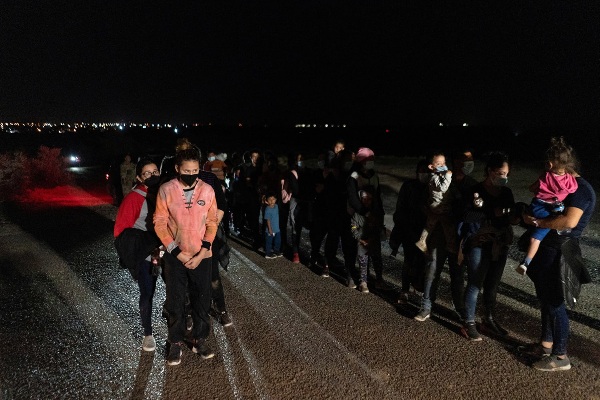
Foreign Secretary Robert Persaud confirmed on January 5 that ‘productive discussions’ were underway with the US to establish a ‘framework of understanding’ consistent with Guyana’s national priorities while supporting US objectives. This initiative forms part of the Trump administration’s broader strategy to relocate unwanted migrants, with several Caribbean nations including Antigua and Barbuda, Dominica, and Belize having already signed similar agreements.
The opposition parties raised multifaceted concerns spanning security, economic, and social dimensions. FGM challenged the government to disclose the agreement’s contents publicly, subject it to parliamentary debate, and conduct comprehensive security and economic impact assessments. Critical questions emerged regarding the verification systems for migrant backgrounds, administrative oversight mechanisms, and the potential strain on Guyana’s already stretched infrastructure.
WIN explicitly rejected supporting any agreement until the government provides full disclosure, ensures parliamentary oversight, and presents a clear plan prioritizing Guyanese citizens’ well-being. The party highlighted the existing pressure from over 100,000 Venezuelan migrants on hospitals, schools, housing, and essential services, questioning how additional influxes would be managed.
Both opposition groups demanded transparency regarding financial contributions from the US, long-term integration plans, housing arrangements, and the potential diversion of resources from Guyanese citizens already facing challenges in accessing land and affordable homes. The parties insisted that any demographic transformation affecting the nation’s future stability and security must not be decided through secretive negotiations without clear disclosure to the Guyanese people.