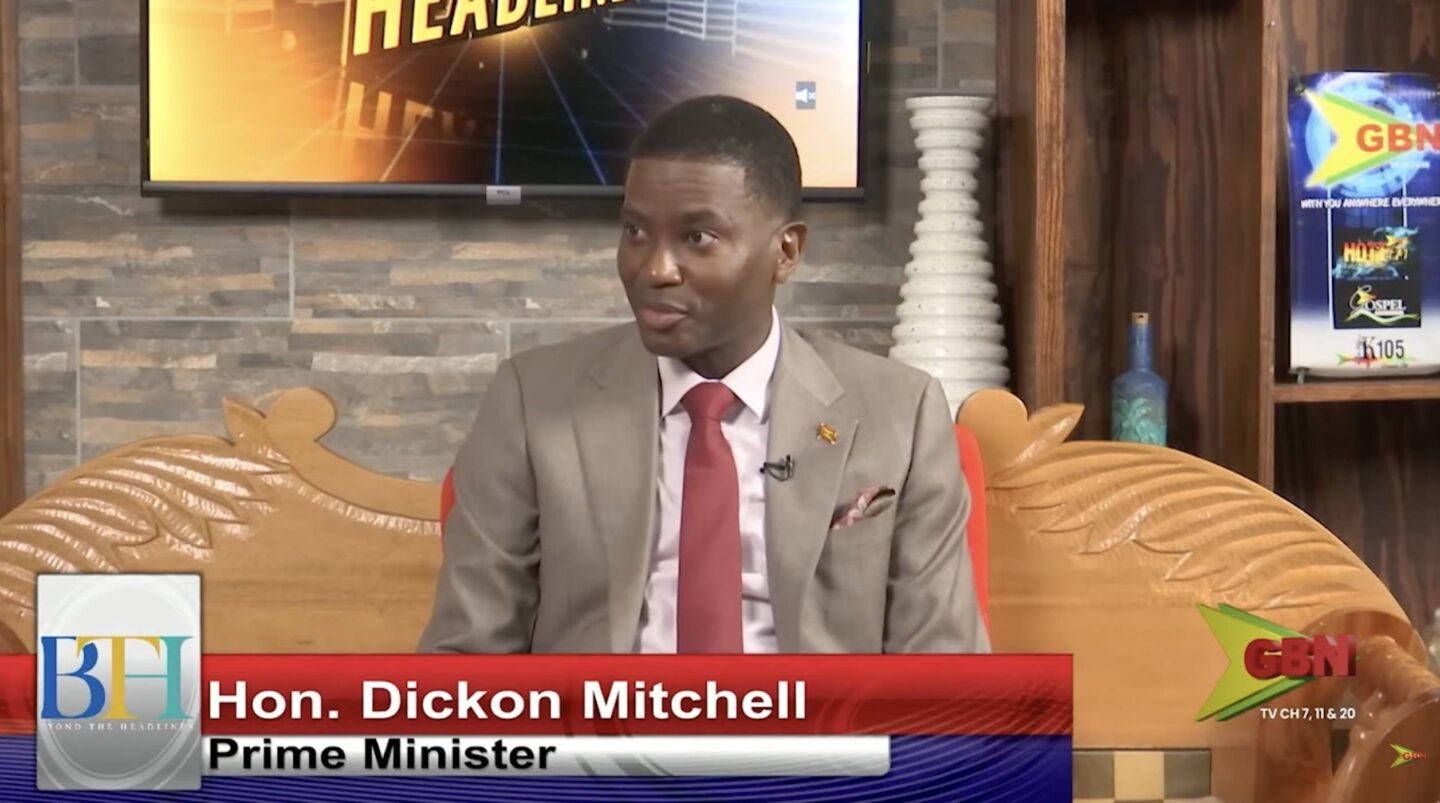
A profound diplomatic crisis has engulfed the Western Hemisphere following the unprecedented U.S. military operation that resulted in the capture of Venezuelan President Nicolás Maduro. Grenadian Prime Minister Dickon Mitchell has emerged as a vocal critic, warning that these events are propelling the region into heightened instability rather than resolving existing differences.
In a televised address on Grenada Broadcasting Network’s ‘Beyond the Headlines,’ Mitchell emphasized that sustainable resolution can only be achieved through diplomatic channels, negotiation, and compromise. The prime minister’s comments came as Maduro and his wife Cilia Flores appeared in a New York federal court, pleading not guilty to extensive drug trafficking charges outlined in a 25-page indictment that could bring life imprisonment if convicted.
The United Nations Security Council convened in emergency session amid sharply divided international opinions. While some delegations supported Washington’s actions as justified accountability measures, others condemned the operation as a dangerous precedent that undermines state sovereignty and international law.
U.S. Ambassador Michael Waltz defended the operation as a targeted law enforcement action against an indicted fugitive, stressing that Maduro’s disputed 2024 election victory invalidated his legitimacy as head of state. Conversely, Venezuelan Ambassador Samuel Moncada characterized the incident as an illegitimate armed attack motivated by resource exploitation, demanding immediate release of the detained leadership and condemnation of U.S. aggression.
Simultaneously, the United States has been actively pursuing migration agreements with Caribbean nations, seeking to establish ‘safe third countries’ for asylum processing. While Dominica has embraced this arrangement as strengthening bilateral relations, both Grenada and Antigua and Barbuda have maintained cautious positions, acknowledging discussions but refusing binding commitments due to national security considerations.