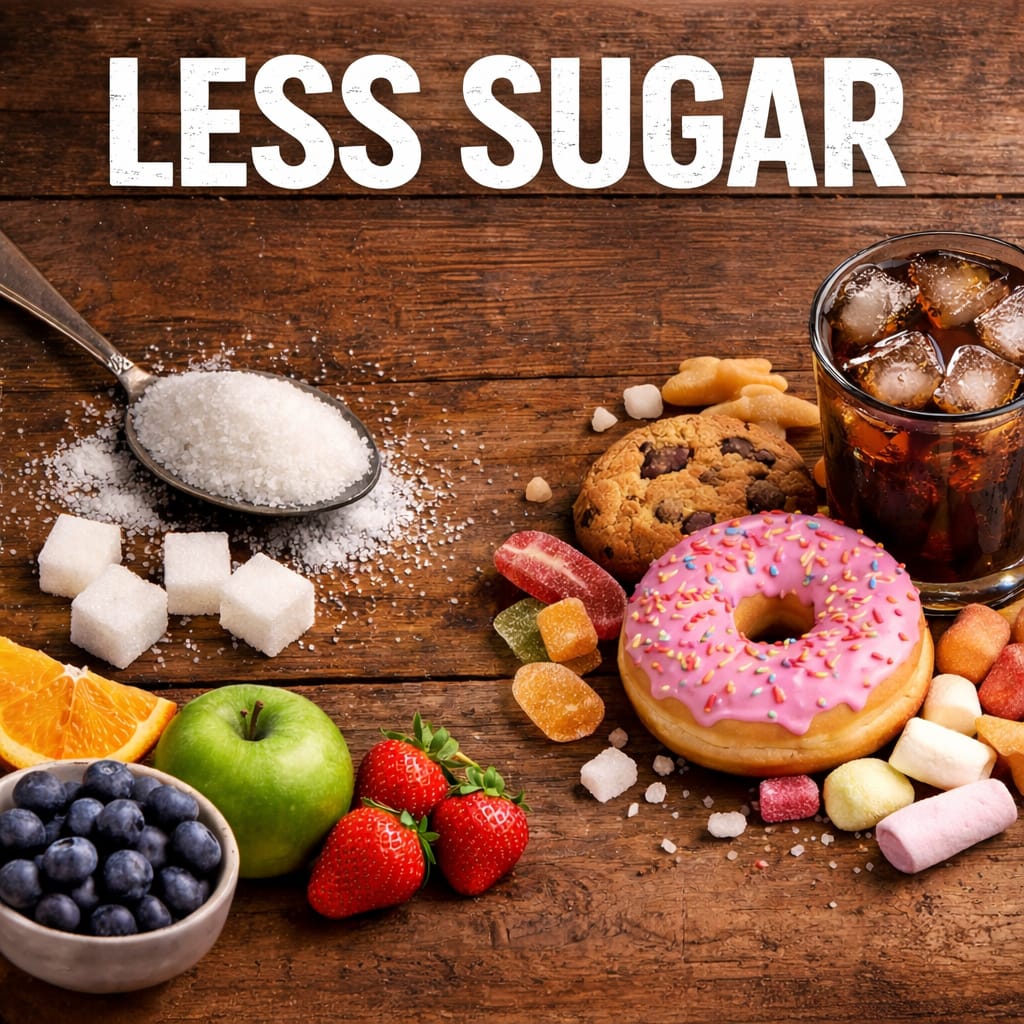
The United States has unveiled a transformative update to its federal dietary guidelines, marking a significant departure from previous nutritional advice. Released Wednesday by the Department of Health and Human Services (HHS) and the US Department of Agriculture (USDA), the new framework prioritizes protein intake and healthy fats while explicitly advising against ultraprocessed foods and added sugars.
Secretary of Health and Human Services Robert F. Kennedy Jr. championed the concise new guidelines, which fulfill his promise to distill nutritional advice into a more accessible format. “My message is clear, eat real food,” Kennedy stated during a White House briefing. The recommendations notably endorse fats like olive oil, butter, and beef tallow—a shift from decades of advice promoting low-fat dairy products.
A central visual change accompanies the update: an inverted pyramid places meats, cheese, and vegetables at its widest top section, replacing the longstanding MyPlate icon. Officials assert that adhering to these guidelines can help prevent or slow chronic diseases, a core tenet of the ‘Make America Healthy Again’ movement.
The American Medical Association offered early endorsement. “The Guidelines affirm that food is medicine and offer clear direction patients and physicians can use to improve health,” said AMA President Dr. Bobby Mukkamala in a statement applauding the focus on processed foods and sugary beverages.
Key specific changes include protein recommendations now based on body weight (1.2-1.6g per kilogram), advocacy for full-fat dairy without added sugars, and explicit guidance to avoid ultraprocessed packaged foods. The guidelines maintain cautions against alcohol and sugary drinks while updating infant nutrition advice to promote breastfeeding for up to two years and avoid added sugars through age 10.
Some experts expressed concerns about the emphasis on red meat and dairy. Dr. Walter Willett, a Harvard nutrition professor, noted that while the guidelines address sugary drinks, they potentially overlook other critical areas. The update process itself has drawn scrutiny, with Kennedy criticizing previous development methods and promising continued reform of the advisory committee structure.
These guidelines substantially influence federal nutrition programs including school meals, WIC, and SNAP, affecting millions of Americans. Their implementation will be closely watched by local health departments and public health officials grappling with the nation’s obesity epidemic.