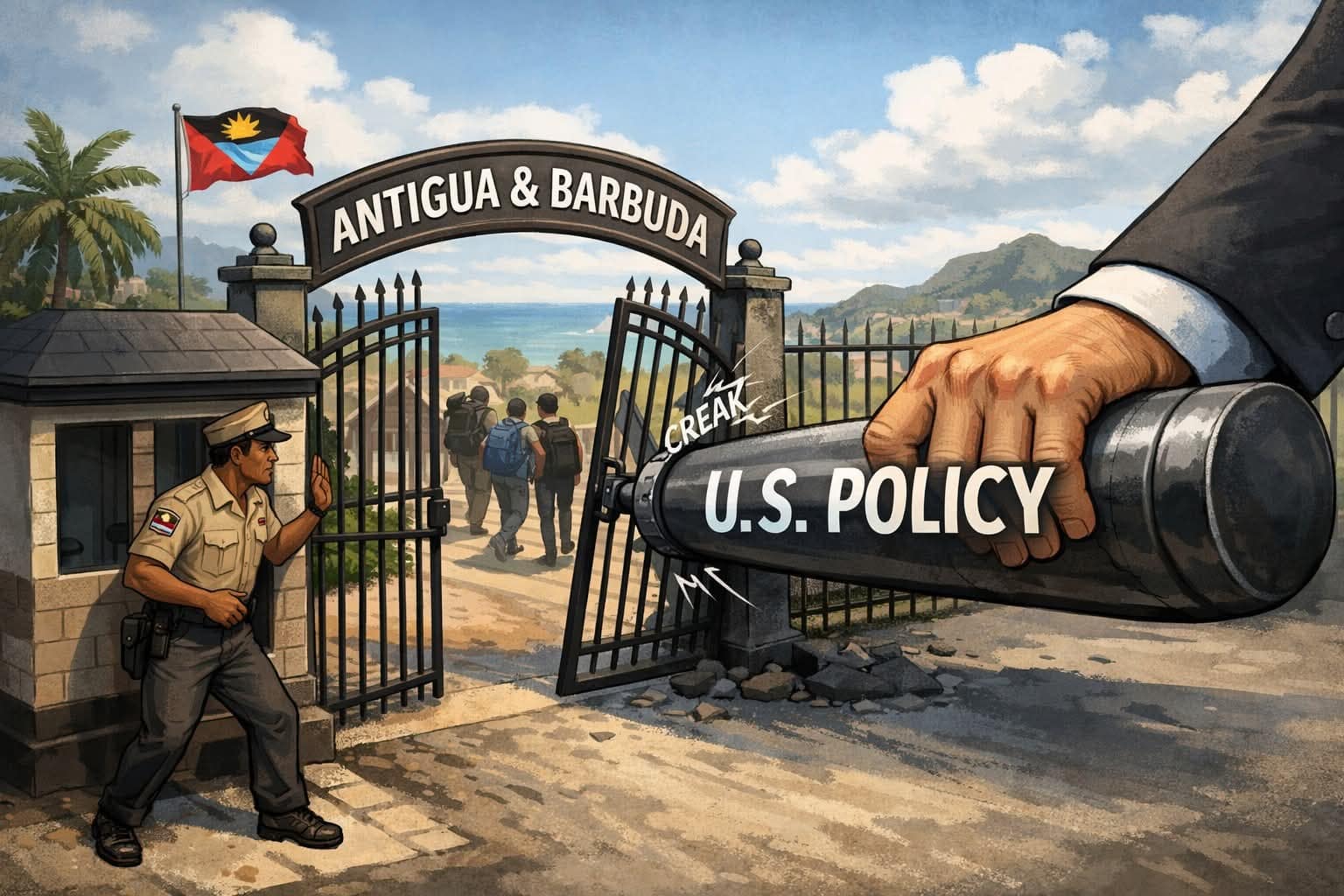
A profound national debate is unfolding across Antigua and Barbuda regarding the government’s decision to accept deportees from the United States, a move critics are labeling as potentially catastrophic for the nation’s sovereignty and social fabric. Political commentator Yves Ephraim has framed this development as an existential crossroads for the twin-island state, urging citizens to look beyond partisan politics and consider the long-term implications.
The timing of this agreement, coordinated simultaneously with neighboring Dominica, raises significant geopolitical questions. The arrangement follows closely behind recent diplomatic efforts to reverse U.S. visa restrictions and controversial allegations of Caribbean leaders’ collusion in the capture of Venezuelan President Nicolás Maduro. This synchronization suggests a broader strategic negotiation rather than an isolated humanitarian gesture.
Ephraim articulates four core objections to the policy: First, he questions whether Antigua and Barbuda risk becoming a ‘dumping ground’ for individuals deemed undesirable by the United States and their countries of origin, potentially earning the derogatory ‘sh*thole country’ label previously used by U.S. officials. Second, he warns against trading national dignity for visa privileges, establishing a dangerous precedent of concession under pressure. Third, he challenges the fairness of a ‘friendly’ nation denying entry to Antiguan citizens while expecting unconditional acceptance of U.S. deportees. Finally, he suggests this agreement could permanently brand the nation as a security concern, justifying continued visa restrictions.
The commentary draws parallels with global migration challenges, specifically referencing increased knife violence and sexual assaults in the United Kingdom following substantial refugee influxes. Ephraim emphasizes that economic consequences remain unassessed but potentially devastating. He concludes with a powerful invocation of the national anthem’s call to ‘defend her liberty,’ urging citizens to consider what future they envision for their children and whether accepting ‘dubious rejects’ aligns with that vision.