The Pan American Health Organization (PAHO) has unveiled a groundbreaking practical guide designed to revolutionize hypertension and cardiovascular disease management across the Americas. Published in The Lancet Regional Health – Americas, the HEARTS Quality Framework provides immediate, actionable strategies for primary healthcare systems to significantly reduce heart attacks and strokes within communities.
Cardiovascular diseases remain the region’s most devastating health crisis, claiming over 2.2 million lives annually—many during individuals’ most productive years. Hypertension, affecting nearly 40% of adults, stands as the primary risk factor. Despite available affordable treatments, only one-third of hypertension patients achieve controlled blood pressure levels.
PAHO Director Dr. Jarbas Barbosa emphasized the framework’s practical nature: “Hypertension remains the world’s deadliest health threat, but also one of the most manageable. This is not just another policy document—it’s the playbook already saving lives in thousands of community health clinics.”
The framework addresses critical systemic barriers including inaccurate blood pressure measurements from outdated equipment, medication shortages, suboptimal treatments, and inefficient monthly prescription renewal requirements. It translates successful real-world experiences from 33 participating countries into a standardized, adaptable model.
HEARTS in the Americas represents the world’s most extensive adaptation of WHO’s global initiative, currently operating in nearly 10,000 primary care facilities and managing over six million patients through standardized protocols. Regions implementing the program fully demonstrate remarkable success, achieving 60% blood pressure control rates—nearly double the regional average.
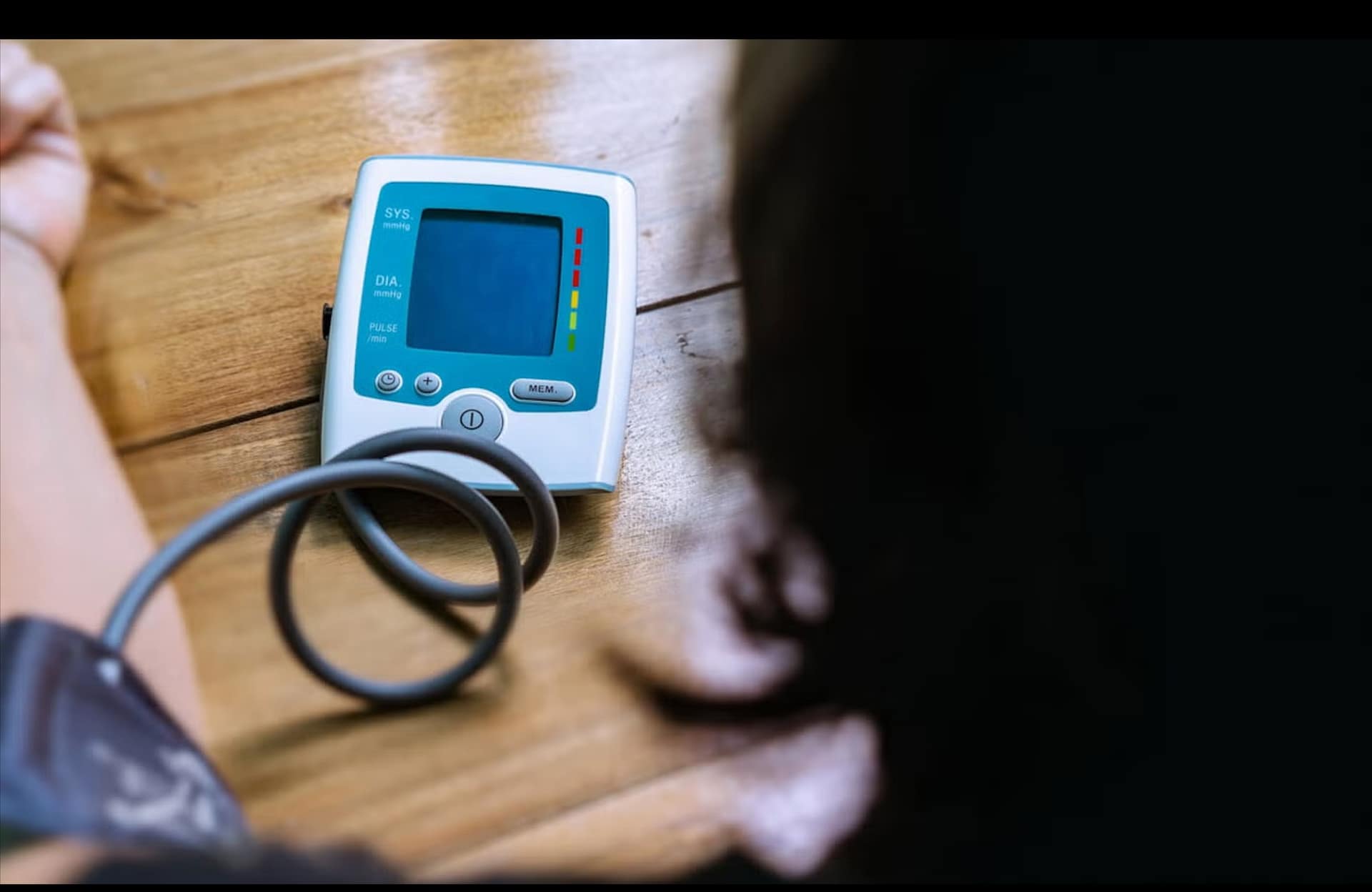
The structured model mandates several evidence-based strategies: implementation of reliable automated blood pressure monitors, guaranteed supply of quality affordable medicines through pooled procurement, multi-month prescriptions, and authorization for trained nurses to adjust medication doses. The system incorporates monthly monitoring tools enabling healthcare providers to track outcomes and optimize care.
These coordinated efforts support an ambitious “80-80-80 target”: 80% hypertension diagnosis rate, 80% treatment rate among diagnosed patients, and 80% control rate among those treated. Dr. Pedro Orduñez, corresponding author and PAHO Senior Advisor for Cardiovascular Disease, projects this could “prevent more than 400,000 deaths and 2.4 million hospitalizations by 2030.”
Demonstrable successes already emerge across the region. Matanzas, Cuba witnessed control rates surge from 36% to 58% within one year, while Chile achieved increases from 37% to 65%. Economic analyses reveal the program pays for itself in under two years by preventing costly cardiac events. Colombia, Mexico, Trinidad and Tobago similarly report substantially improved control rates after adopting HEARTS standards.
The Dominican Republic has established HEARTS as a government priority providing free treatment to millions. El Salvador expanded the program across its primary healthcare network, achieving nearly 70% control rates. Mexico has initiated nationwide implementation.
Dr. Anselm Hennis, Director of PAHO’s Department of Noncommunicable Diseases and Mental Health, urged comprehensive adoption: “By committing to this model, we can deliver better care for noncommunicable diseases, save millions of lives, and strengthen primary health care across the Americas.” Dr. Esteban Londoño, lead author and PAHO international consultant, confirmed these results demonstrate “hypertension control and cardiovascular risk management at scale are possible” through standardized clinical pathways, reliable medicines, and team-based care.