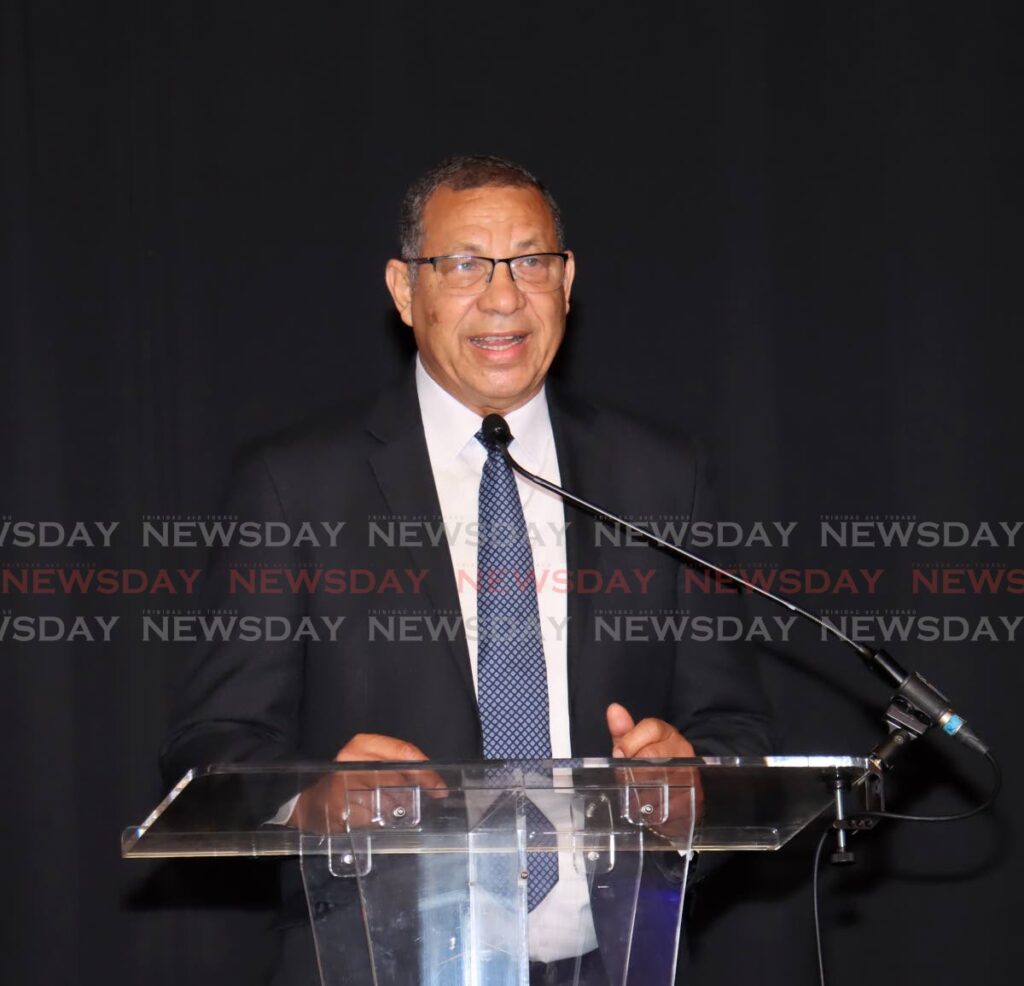
The dramatic capture of Venezuelan President Nicolás Maduro and First Lady Cilia Flores by US military forces from a fortified Caracas compound on January 3rd has triggered extensive geopolitical analysis. Former finance minister Mariano Browne questions what leverage mechanisms the United States will employ to advance its agenda in Venezuela following this unprecedented intervention.
President Donald Trump’s January 5th declaration that the US intends to temporarily govern Venezuela underscores Washington’s determined stance. During media interactions, Trump asserted that American oil corporations would enter Venezuela to repair its ‘broken infrastructure’ and generate revenue, though he provided limited operational details.
Browne, responding via WhatsApp, emphasized the inseparable relationship between politics and economics in global affairs. He characterized the operation as fundamentally concerning regime change rather than narcotics trafficking, noting Trinidad and Tobago’s significant trade relationship with the US makes these developments particularly consequential.
The former minister analyzed that America’s approach demonstrates resource constraints preventing conventional warfare, instead favoring asymmetric strategies involving limited engagements for maximum leverage. Despite Maduro’s capture, his administrative structure remains intact with Vice President Delcy Rodríguez assuming interim leadership while maintaining Maduro’s legitimate presidency.
Browne raised critical questions about whether Venezuela’s existing state institutions would align with Washington’s directives. This follows Trump’s dismissal of Rodríguez’s long-term political viability, despite her subsequent diplomatic overture seeking ‘balanced and respectful’ bilateral relations.
Trump simultaneously expressed skepticism about exiled opposition figure María Corina Machado’s capacity to lead, citing her insufficient domestic support. The administration is currently designating alternative leadership candidates for Venezuela.
Browne highlighted that Trump’s order intercepting ‘sanctioned oil tankers’ reveals broader objectives beyond regime change, identifying China as the primary target. Venezuela’s discounted oil exports constitute a crucial component of China’s energy import strategy, elevating the confrontation to global financial markets where the US holds advantageous position.
This event signals potential implications for other Western Hemisphere nations, particularly those previously criticized by Trump including Colombia and Cuba. Colombia’s deployment of border troops following the operation, coupled with Trump’s provocative comments about Colombian leadership, suggests regional instability may intensify.