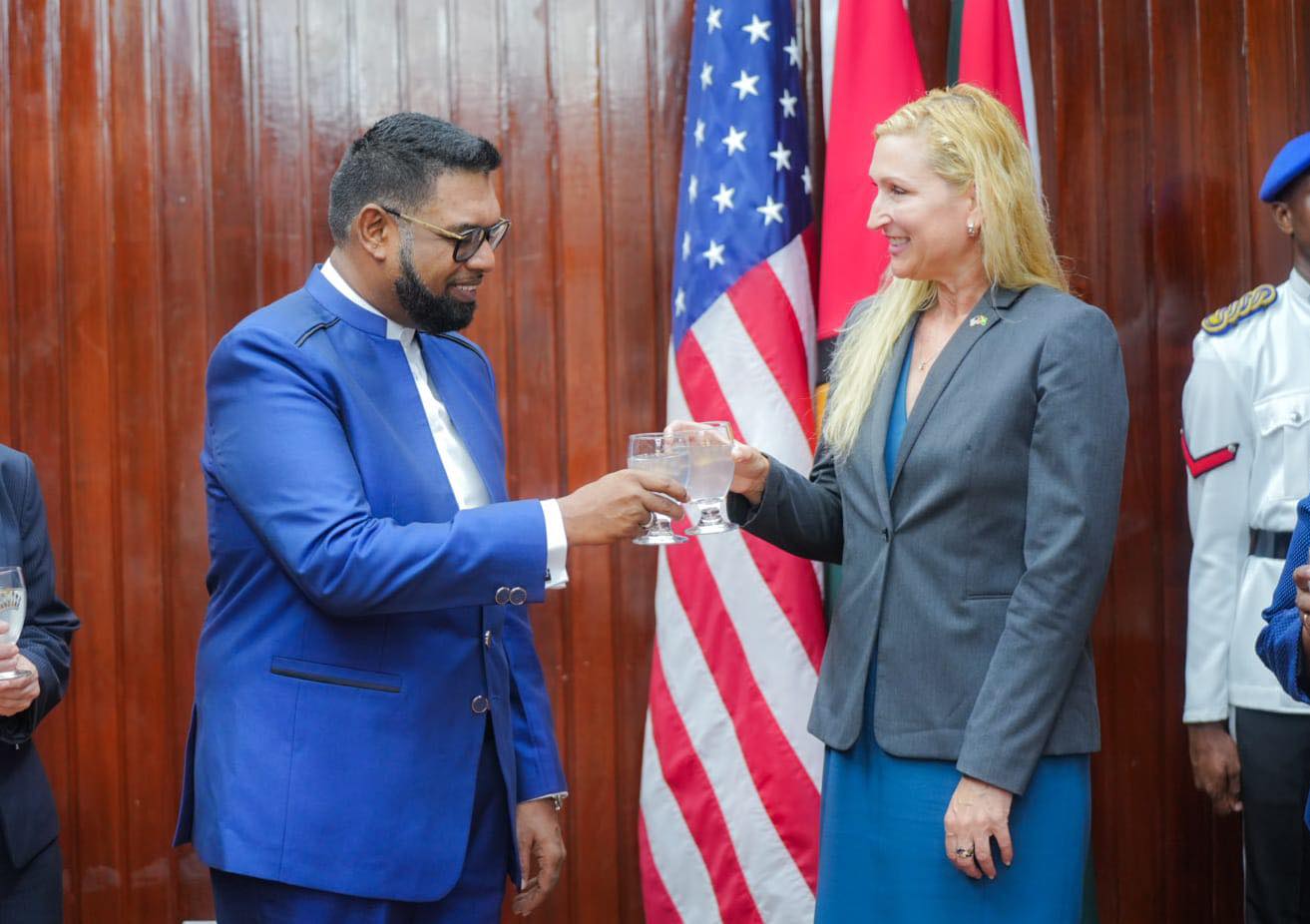
Guyana has entered into substantive diplomatic negotiations with the United States concerning the potential acceptance of third-country nationals currently residing in American territory, Foreign Secretary Robert Persaud confirmed on Monday, January 5, 2026.
The South American nation is actively developing a framework of understanding aligned with its national priorities while supporting U.S. objectives regarding migration management. “Guyana and the USA have been in productive discussions on a framework of understanding which is consistent with our national priorities and needs and supportive of the USA objectives,” Persaud stated in an exclusive interview with Demerara Waves Online News.
This development follows similar agreements recently confirmed by Caribbean neighbors Antigua and Barbuda and Dominica. The U.S. initiative, first proposed to Caribbean nations and other allied countries in early 2025, seeks international cooperation in addressing complex migration scenarios where individuals cannot be returned to their countries of origin.
According to Caribbean Media Corporation reports, Dominica’s Prime Minister Roosevelt Skerritt announced his country’s formal agreement with the U.S., emphasizing stringent security provisions. “In our discussions with the State Department there has been careful deliberation of the need to avoid receiving violent individuals or individuals who will compromise the security of Dominica,” Skerritt clarified during a press conference.
Antigua and Barbuda’s Prime Minister Gaston Browne indicated his nation would accept approximately ten carefully screened non-criminal refugees possessing skills in local demand. The arrangement maintains full discretionary power for the Caribbean nation to accept or reject any recommended individuals, with the U.S. providing comprehensive biometric data and criminal background information.
The United States has extended similar invitations to over 100 countries worldwide, seeking to distribute the responsibility for refugee and deportee cases more equitably across the international community. Several Caribbean Community (CARICOM) member states have already participated in this multilateral initiative.