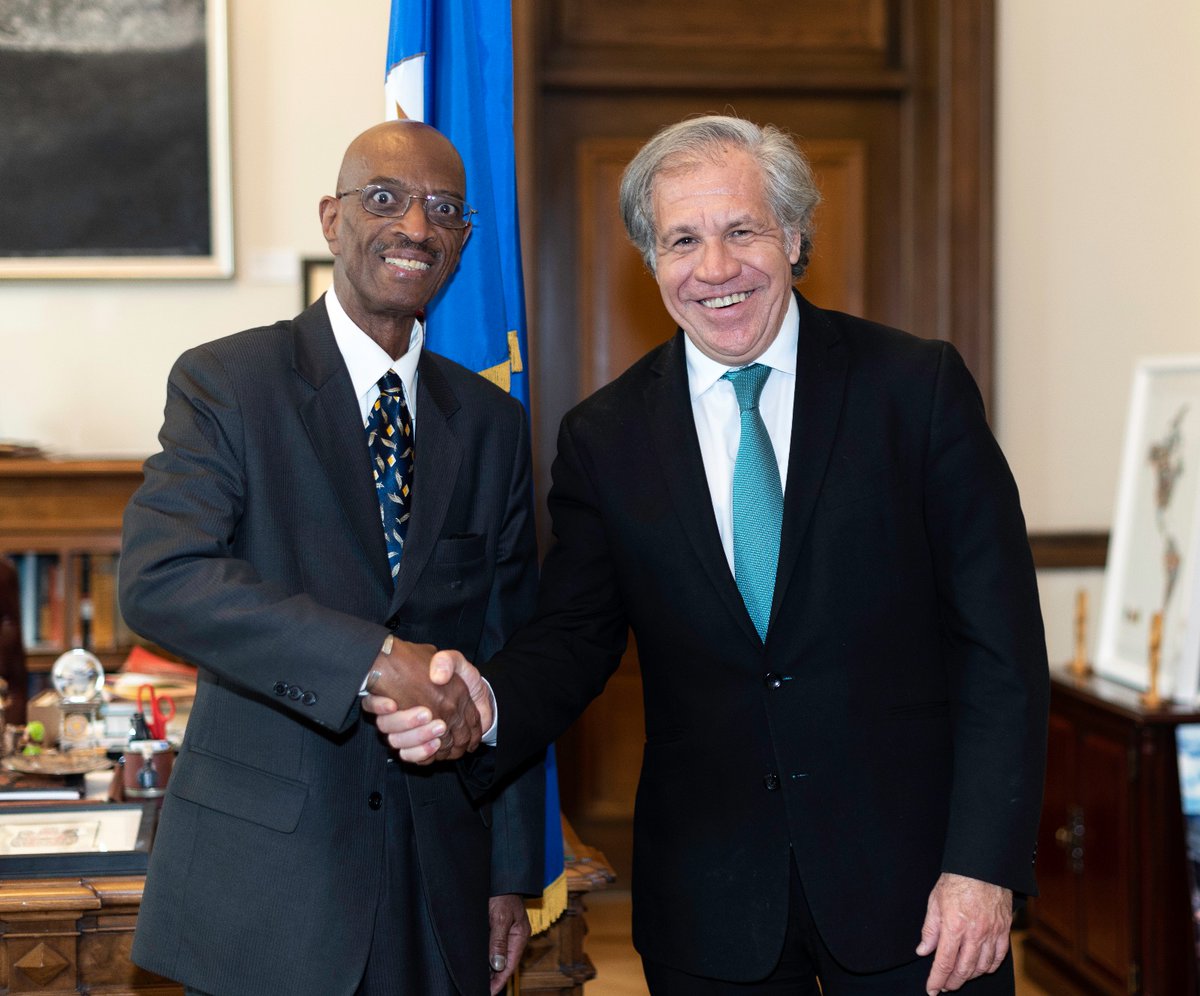
In a striking development that has sent shockwaves through international diplomatic circles, former Dominican UN Ambassador Crispin Gregoire has issued an urgent appeal for Caribbean Community (CARICOM) leaders to break their silence regarding Venezuela’s escalating political crisis. This follows the dramatic capture of President Nicolás Maduro by U.S. forces in what Gregoire describes as a meticulously executed operation that has left Venezuela’s military and political establishment in disarray.
Gregoire, expressing profound disappointment with what he characterizes as the region’s ‘timid’ response, emphasized that Caribbean leaders must demonstrate unity and engage directly with Washington during this critical juncture. The former ambassador revealed astonishing operational details, indicating that U.S. intelligence had successfully penetrated Maduro’s innermost security circle, allegedly relocating family members of his personal guards to the United States under new identities prior to the operation.
The actual extraction, conducted by Delta Force operatives, reportedly unfolded with military precision—completing Maduro’s seizure along with his wife within a remarkable twelve-minute window. This operation has triggered profound legal and political questions regarding sovereignty violations and the bypassing of conventional diplomatic protocols.
Maduro now confronts an extensive 700-page indictment in U.S. courts that portrays him as a central figure in international drug trafficking networks. Gregoire drew compelling parallels to the case of Panama’s Manuel Noriega, raising fundamental questions about the legitimacy of trying a foreign head of state apprehended under such controversial circumstances.
The ambassador further highlighted the severe destabilization risks within Venezuela, where armed factions including Colombian groups and Maduro’s colectivos militia remain heavily armed and operational. Compounding regional concerns are emerging reports suggesting possible connections between Caribbean politicians and Maduro’s alleged narcotics network, with recent cocaine seizures in Dominica and investigations into energy officials fueling speculation about regional involvement.
Gregoire’s central argument maintains that CARICOM’s continued silence represents a dangerous abdication of regional leadership that could ultimately compromise the Caribbean’s political sovereignty and international standing. He criticized regional leaders for what he perceives as their subdued response to the Trump administration’s actions, suggesting they have been ‘whipped into submission’ for political survival.
This crisis transcends Venezuela’s immediate future, presenting a critical test of the Caribbean’s ability to assert its geopolitical interests amid great power intervention. Gregoire’s statement serves as a potent reminder that in moments of international upheaval, neutrality carries significant consequences.