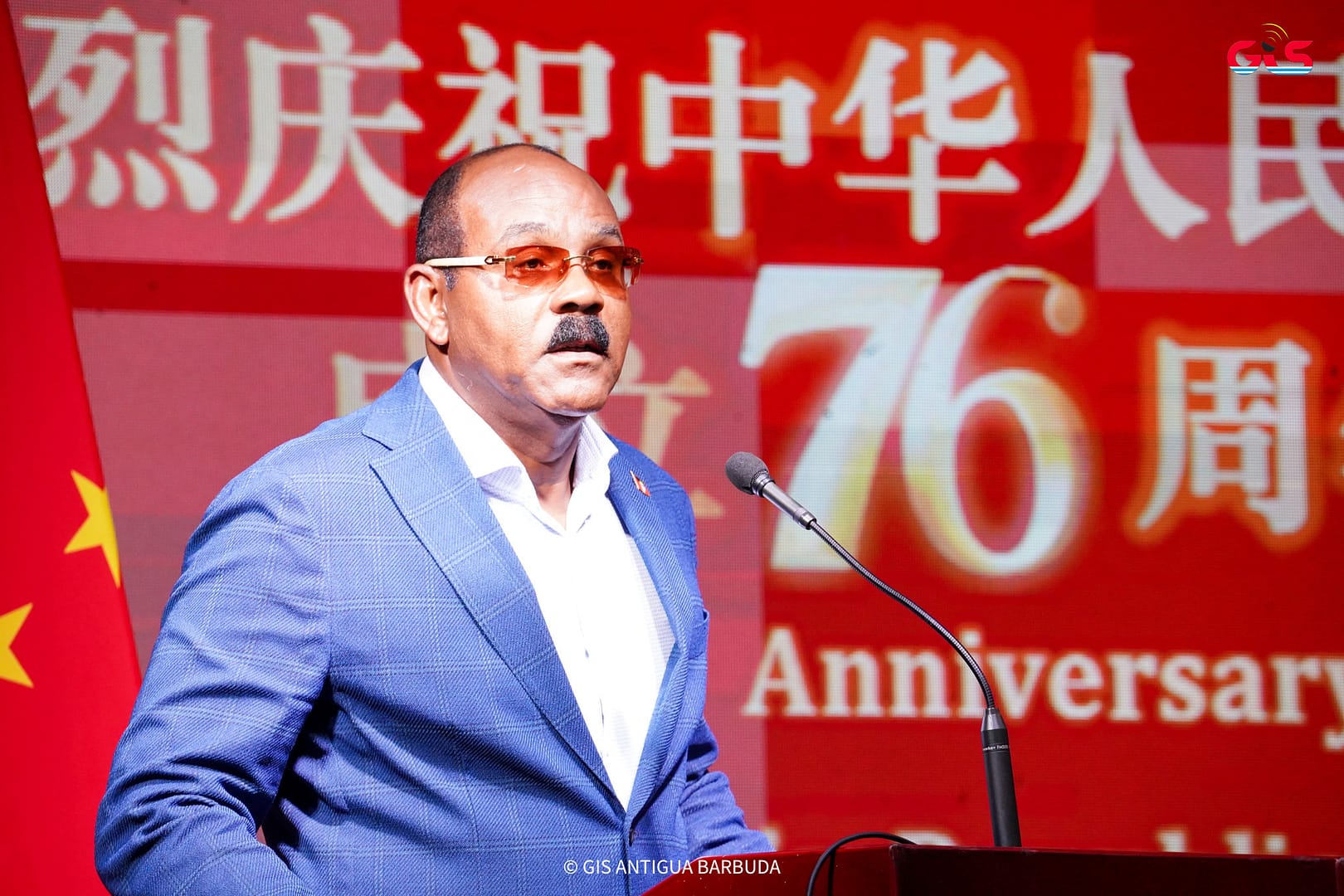
In a powerful address that redefined expectations for international governance, the Prime Minister delivered a compelling critique of contemporary global leadership. The speech emphasized that true international influence must be fundamentally rooted in faithfully representing one’s citizens, proposing that leaders who fail this essential duty should consider relinquishing their positions.
The Prime Minister’s framework establishes a new paradigm for political legitimacy on the world stage, challenging the conventional metrics of power and economic might. This perspective shifts the focus toward democratic accountability and responsive governance as prerequisites for meaningful global engagement.
Through specific examples and historical context, the address illustrated how nations that prioritize domestic welfare consistently achieve more sustainable and respected international standing. The Prime Minister contrasted this approach with instances where leaders pursued foreign agendas disconnected from their populations’ needs, ultimately diminishing both domestic stability and global credibility.
This philosophical stance carries significant implications for international relations, potentially influencing how nations evaluate their participation in global institutions and multilateral agreements. The speech also arrives during a period of heightened scrutiny regarding the effectiveness of international organizations and the quality of leadership within them.
The address concludes with a forward-looking perspective on how this accountability-centered approach could reshape diplomatic norms and create more stable international partnerships built on genuine popular support rather than temporary political arrangements.