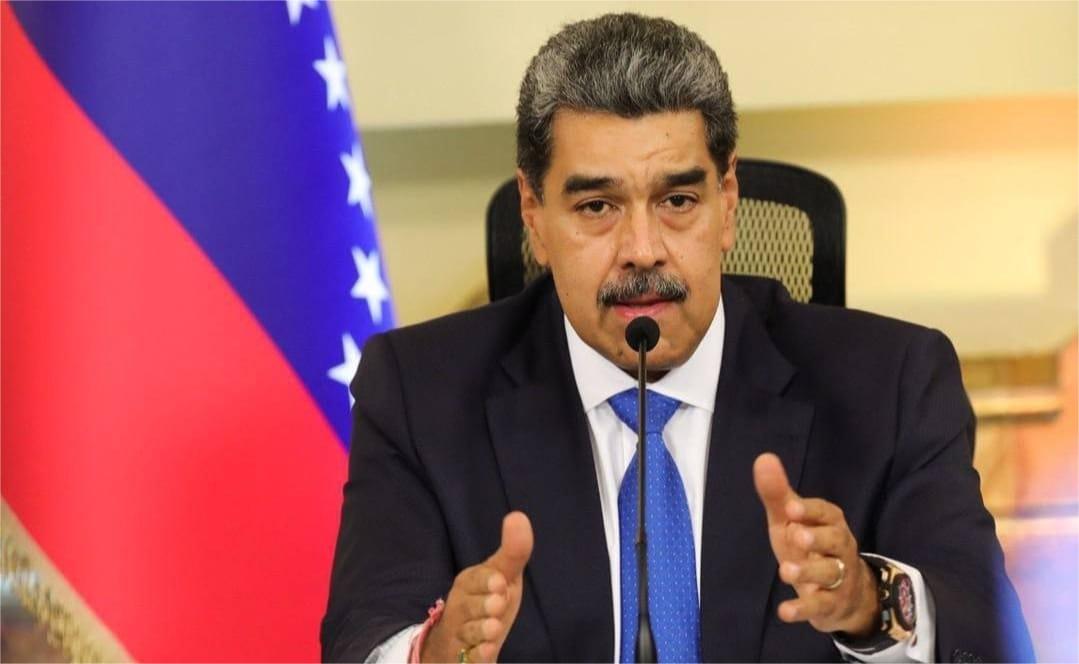
In an unprecedented escalation of international legal and military action, Venezuelan President Nicolás Maduro and First Lady Cilia Flores have been apprehended by U.S. forces and transported to New York to face federal charges. The dramatic operation, which unfolded in Caracas on January 3, 2026, marks the physical culmination of a multi-year investigation into what American prosecutors describe as state-sponsored narcoterrorism.
The judicial foundation for this extraordinary action was laid in March 2020 when the U.S. Department of Justice unsealed indictments against Maduro and fourteen high-ranking Venezuelan officials. The charges allege their orchestration of a sophisticated cocaine trafficking network in collaboration with Colombia’s FARC guerrillas, operating under the designation ‘Cartel de los Soles’ (Cartel of the Suns). This organization allegedly facilitated the movement of thousands of kilograms of cocaine through Venezuelan territory destined for American markets.
The legal case gained substantial momentum through successive guilty pleas from key figures within Maduro’s inner circle. Former General Clíver Alcalá admitted to related charges in 2023, followed by former intelligence chief Hugo Carvajal’s 2025 confession to drug trafficking offenses in Spain connected to the same conspiracy network.
Attorney General Pam Bondi characterized the capture as a landmark achievement in international justice, declaring that the defendants would ‘face the full wrath of American justice on American soil in American courts.’ The judicial proceedings are scheduled to commence in Manhattan federal court where Maduro and Flores will answer charges including narco-terrorism conspiracy, cocaine importation conspiracy, and weapons offenses.
President Donald Trump framed the intervention as both a law enforcement necessity and a strategic geopolitical move, announcing Washington’s intention to oversee Venezuela’s transition while leveraging American energy companies to revitalize the nation’s oil industry under U.S. military protection. This declaration prompted immediate condemnation from Venezuelan Vice President Delcy Rodríguez, who denounced the operation as an imperialist resource grab disguised as judicial process.
The military operation resulted in civilian casualties according to Venezuelan authorities, while U.S. sources acknowledged several American troops sustained non-life-threatening injuries during the engagement. The political aftermath has revealed deep divisions, with expatriate communities in South Florida celebrating Maduro’s capture while residents in Caracas face uncertainty about their nation’s future. Opposition leader María Corina Machado has called for opposition leadership to assume power during this transitional period.
This extraordinary intersection of international law, military intervention, and energy geopolitics represents one of the most significant developments in Western Hemisphere relations in decades, setting profound precedents for extraterritorial justice and sovereign intervention.