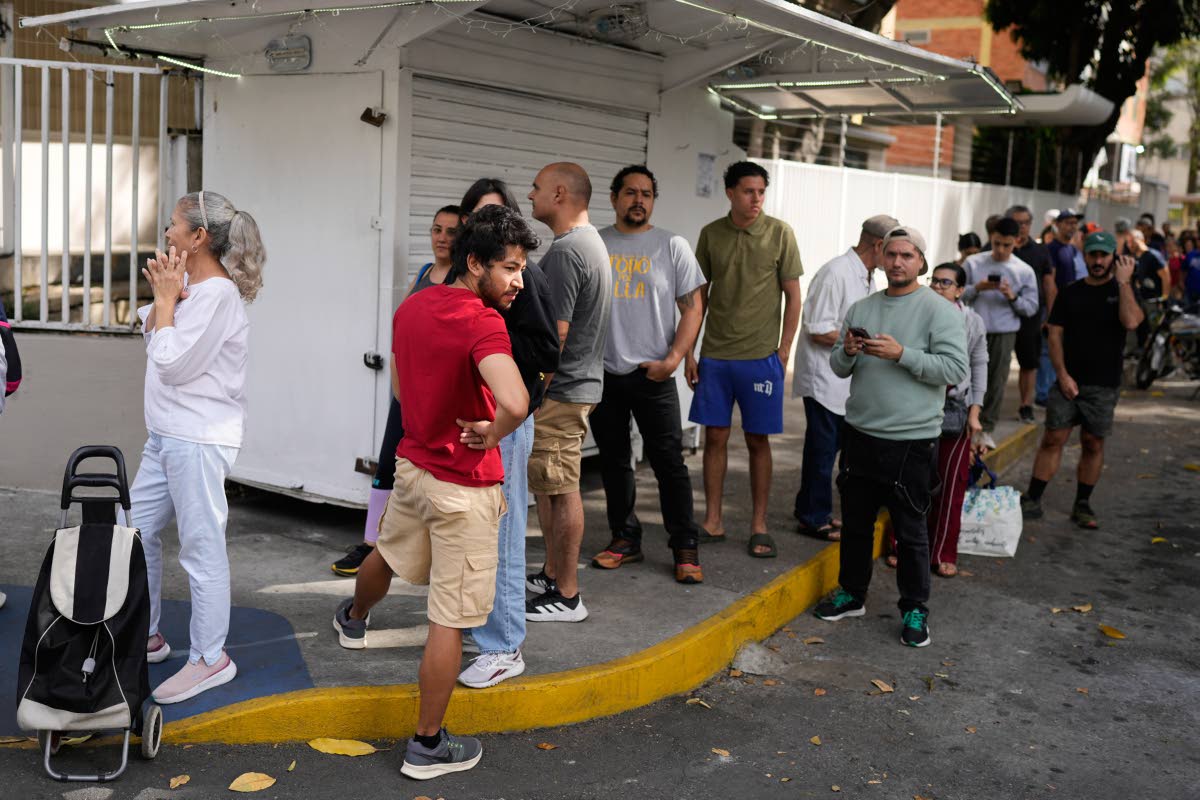
Caribbean nations are exhibiting starkly divergent responses to the unprecedented US military intervention in Venezuela that resulted in the capture of President Nicolás Maduro. Prime Minister Kamla Persad-Bissessar of Trinidad and Tobago expressed optimism about the development, characterizing it as a transition from “oppression and dictatorship” toward democracy. In her official statement, she anticipated strengthened bilateral relations with Venezuela under US-led governance.
The military operation, confirmed by US President Donald Trump on January 3rd, involved strikes on Caracas and the extraction of Maduro and his wife Cilia Flores. Trump announced that the United States would assume administrative control of Venezuela following these actions.
In contrast, Opposition Leader Pennelope Beckles condemned the intervention as “deeply troubling,” emphasizing Trinidad and Tobago’s traditional commitment to non-interference principles and peaceful dispute resolution. Beckles criticized the Prime Minister for failing to address the safety of Trinidadian embassy staff in Caracas during initial statements.
Acting Foreign Affairs Minister Barry Padarath subsequently confirmed that all Trinidad and Tobago personnel at the Caracas embassy remained safe and were continuing normal operations despite the military action.
The Caribbean Community (CARICOM) convened an emergency session to address the crisis, with Barbados Prime Minister Mia Mottley acknowledging the complexity of balancing relationships with both Venezuela and the United States. CARICOM stated it would continue monitoring the situation before taking a collective position, recognizing the potential implications for regional stability.
Historian Dr. Jerome Teelucksingh contextualized the intervention within historical US foreign policy patterns, noting similarities to operations in Iraq and Libya. He warned of potential refugee crises affecting Trinidad and Tobago and criticized Caribbean dependence on external powers for regional security matters, calling for stronger regional governance mechanisms.