In an unprecedented diplomatic maneuver, the United States has recalled thirty ambassadors, including 29 career diplomats and its envoy to Suriname, signaling a dramatic shift in Western Hemisphere policy. This mass recall—the largest simultaneous withdrawal of diplomatic personnel in American history—stems directly from President Donald Trump’s newly implemented National Security Strategy (NSS) published in December 2025.
The 30-page NSS document, crafted under Trump’s direct supervision, introduces what it terms the ‘Trump Corollary to the Monroe Doctrine’ on its fifteenth page. This policy marks a modern revival of the 1823 Monroe Doctrine originally articulated by President James Monroe, which sought to limit European colonization and intervention in the Americas while asserting U.S. dominance in the Western Hemisphere.
The updated doctrine emphasizes restoring American security interests through commercial diplomacy and discouraging partnerships with nations outside the hemisphere. It prioritizes combating illegal migration, dismantling drug trafficking networks, enhancing maritime stability, and supporting governments that align with U.S. objectives.
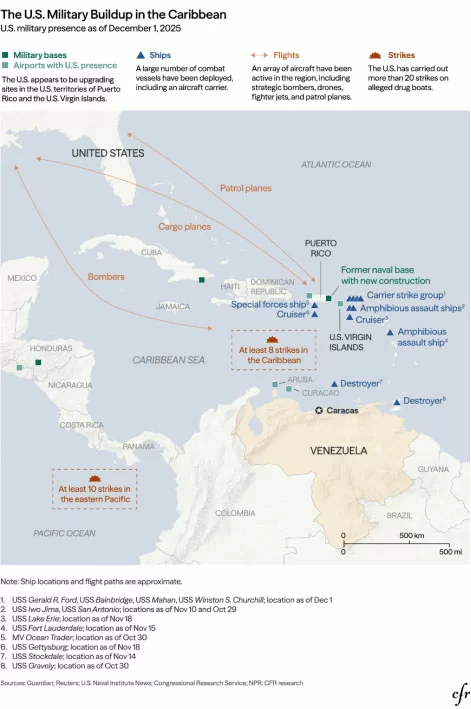
Most significantly, the NSS legitimizes expanded U.S. military presence in the region through four key provisions: appropriate coast guard and maritime deployments to combat drug trafficking and illegal migration, and control of crucial routes during crises. Current reports indicate over 10,000 U.S. troops are now deployed across the Caribbean region.
This policy has manifested dramatically in Venezuela, where since November 2025, U.S. military aircraft have conducted operations that Caracas has denounced at the United Nations as violations of national sovereignty. The situation escalated on January 3, 2026, with targeted U.S. airstrikes on Venezuelan territory and the reported capture of President Maduro, whom American authorities accuse of involvement in international drug trafficking.
The developments raise profound questions about sovereignty and interventionism, echoing historical U.S. military actions in the Dominican Republic (1965) and Nicaragua (1983). With the U.S. likely to veto any UN Security Council action, the international community faces limited options to address what many consider unlawful sovereignty violations.
For Caribbean nations like Suriname, the new doctrine presents both challenges and opportunities. Regional cohesion through organizations like CARICOM becomes increasingly vital, while commercial diplomacy divorced from military objectives could offer benefits if aligned with national trade strategies. As the hemisphere navigates this new diplomatic landscape, nations must balance engagement with sovereignty in what appears to be a return to great power politics in America’s backyard.