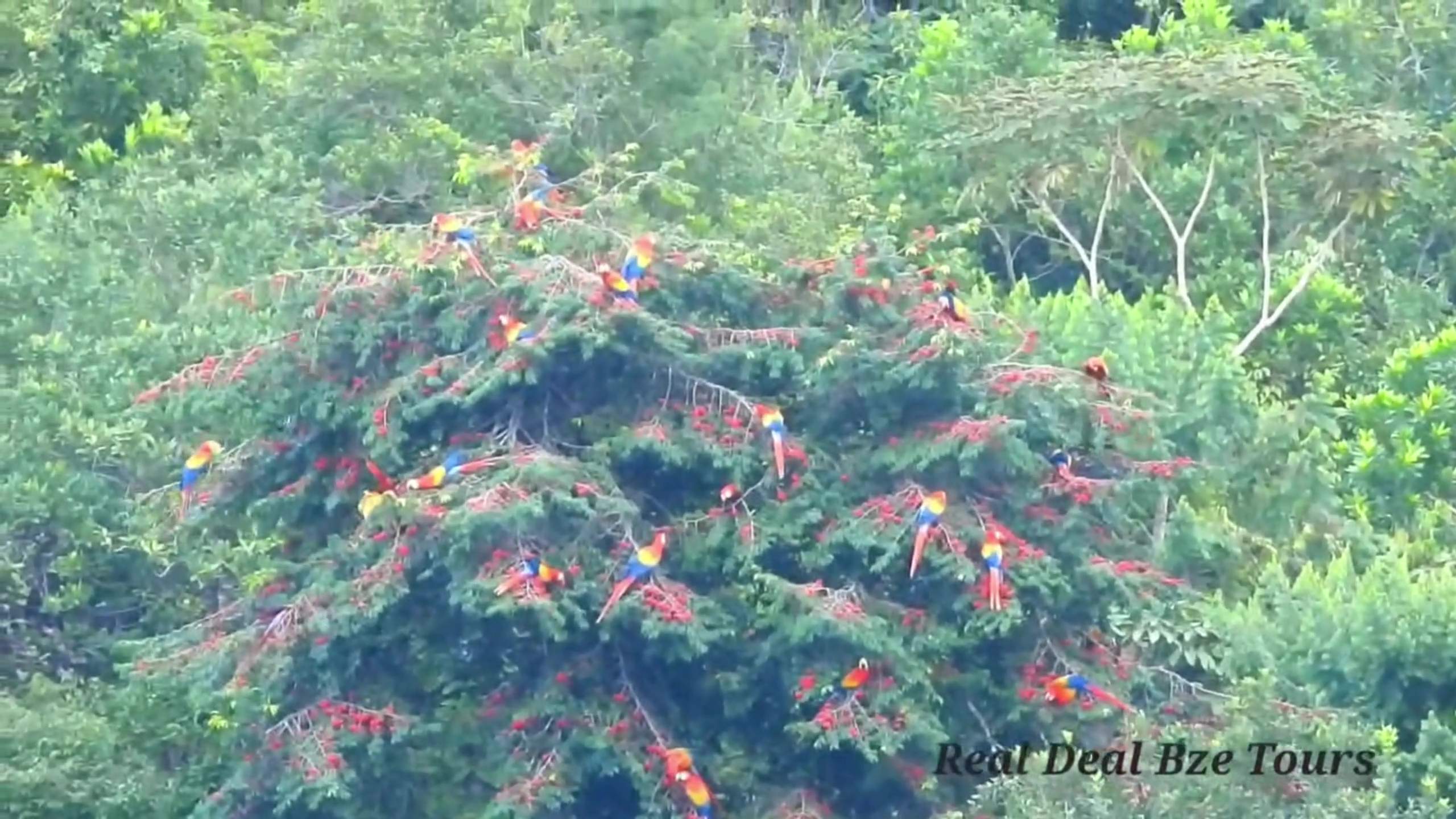
The Government of Belize, under the Briceño Administration, is advancing decisively toward the formal establishment of a dedicated sanctuary for the protection of scarlet macaws in the vicinity of Red Bank Village. This significant environmental initiative follows an extensive series of consultations with local residents, private landowners, and tourism operators, marking a critical step in a multi-year governmental effort.
Orlando Habet, the Minister of Sustainable Development, provided detailed insight into the process, confirming that Cabinet-level discussions on the proposal were initiated several years ago. The primary objective has been to secure and preserve vital nesting and feeding grounds for the macaw population along the local river ecosystems.
The progression of the project has been deliberately measured, a pace largely attributable to the complex land ownership structure within the targeted region. A substantial portion of the land is held under private ownership and is actively utilized for agricultural purposes by inhabitants of Red Bank and neighboring Mennonite settlements.
Minister Habet reported that a breakthrough has been achieved with the identification and precise mapping of a specific area proposed for sanctuary status. However, he acknowledged logistical ‘glitches’ that require resolution, notably involving the reassignment of recently issued private land titles. Collaboration is underway with the Ministry of Natural Resources to facilitate the potential cancellation of these titles and the relocation of affected individuals to alternative sites.
A key consideration in the planning has been balancing strict conservation with socio-economic needs. Recognizing that many in Red Bank depend economically on macaw-related tourism, the government is opting to designate the area as a ‘Wildlife Sanctuary II’ rather than a more restrictive category. This classification will legally permit controlled tourist activities, thereby allowing local guides to continue their livelihoods while ensuring the macaws’ habitat is officially protected from more disruptive development.