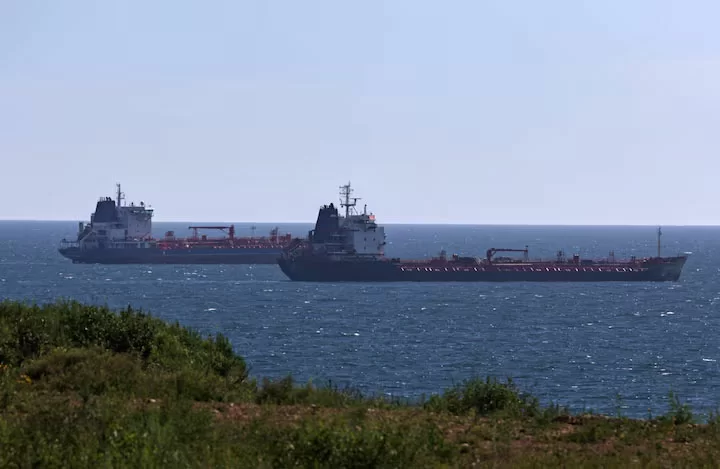
Global oil markets commenced 2026 with downward momentum as both Brent crude and West Texas Intermediate (WTI) extended losses following their most substantial annual decline since 2020. The benchmark contracts concluded 2025 with nearly 20% depreciation, reflecting market preoccupation with supply surplus concerns rather than geopolitical instability.
As of Friday afternoon trading sessions, Brent crude futures stood at $60.29 per barrel, recording a decrease of 55 cents, while WTI contracts declined by 53 cents to $56.89 per barrel. This downward trajectory persists despite escalating tensions in Ukraine, where intensified Ukrainian attacks on Russian energy infrastructure aim to disrupt Moscow’s military financing capabilities. Similarly, recent US sanctions targeting Venezuelan oil enterprises and tanker operations have failed to generate upward pricing pressure.
The Middle East presents additional complexities as diplomatic strains between OPEC members Saudi Arabia and the United Arab Emirates regarding Yemen’s situation have intensified, evidenced by suspended flights to Aden airport. These developments precede OPEC+’s virtual assembly scheduled for January 4th, where market observers anticipate extended production restraints through Q1 2026.
Analysts project 2026 will prove pivotal for OPEC+ in managing global supply equilibriums, with Chinese crude inventory replenishment during the year’s first half expected to provide market support. The current price stability embodies the tension between short-term geopolitical risks and longer-term fundamental indicators suggesting persistent oversupply conditions.
Market dynamics continue to be shaped by multifaceted influences: post-pandemic economic recovery patterns, energy transition investments, and evolving demand from major economies including China and India. The ongoing conflict in Ukraine since 2022 has introduced sustained volatility to energy markets, disrupting Russian supply chains while triggering price fluctuations. Concurrently, OPEC+ production agreements maintain regulated output to stabilize markets.
The petroleum industry’s long-term outlook remains subject to structural pressures from renewable energy adoption and decarbonization initiatives, suggesting fundamental transformations in price formation mechanisms beyond immediate geopolitical considerations.