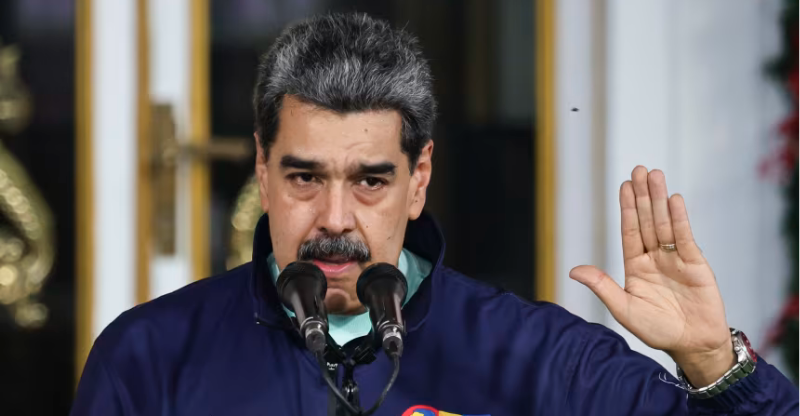
Venezuelan authorities under President Nicolás Maduro have intensified a concerning pattern of detaining U.S. nationals, with at least five American citizens taken into custody over recent months. U.S. officials interpret these arrests as a strategic maneuver by Caracas to create bargaining chips against Washington’s escalating pressure campaign.
This detention strategy appears modeled after Russian-style ‘hostage diplomacy,’ where foreign citizens become pawns in geopolitical negotiations during periods of strained bilateral relations. While Venezuelan authorities have suggested some detainees might have connections to drug smuggling operations, the Trump administration perceives the timing and frequency of these arrests as politically motivated rather than legitimate law enforcement actions.
The developments occur alongside a significant hardening of U.S. policy toward Venezuela. Washington has transitioned from imposing financial sanctions to implementing more direct and kinetic measures against Maduro’s government. This escalation represents a substantial shift in America’s approach to confronting the Venezuelan regime.
Despite these mounting pressures, Maduro continues projecting an image of unwavering control. During a recent appearance on state-operated VTV, the Venezuelan leader avoided addressing specific operational details but emphatically declared his nation’s defense systems remain fully operational. “Our people are safe and at peace,” Maduro asserted, maintaining that military and police forces continue to successfully guarantee Venezuela’s territorial integrity.
These detentions unfold within a broader context of systematic internal repression. Human rights organizations document that Venezuela currently holds hundreds of political prisoners, with many arrests tracing back to the controversial 2024 presidential election that consolidated Maduro’s power amid widespread allegations of electoral misconduct.