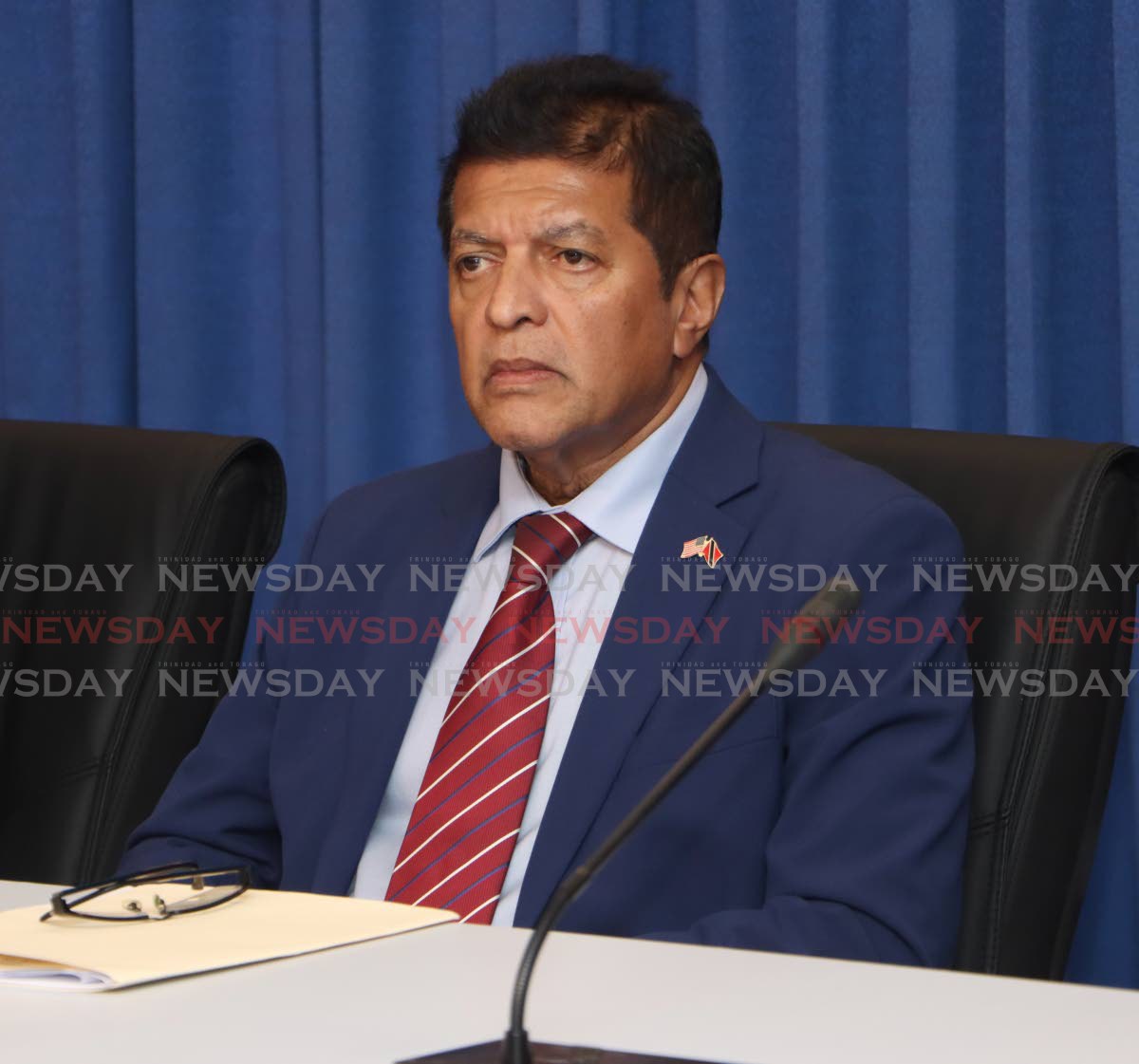
Health Minister Lackram Bodoe has committed to re-examining the protracted legal case involving eight-year-old Davyn Ragoo and his family, who have been engaged in prolonged litigation to secure essential medical support. This development follows a front-page news report on December 28 that highlighted the family’s struggle against the state’s legal opposition.
Davyn belongs to a cohort of children born with microcephaly linked to the 2017 Zika virus outbreak. His mother, Kavita Ramkissoon-Ragoo, was compelled to initiate legal proceedings to draw governmental attention to her son’s medical requirements. Although Justice Joan Charles delivered a landmark ruling condemning the state’s failure to provide adequate medical treatment and support, the administration initially announced intentions to appeal the verdict—a threat that ultimately remained unexecuted.
For years, the case remained in legal limbo, compounding the family’s distress as Davyn grew older without resolved support mechanisms. While Minister Bodoe’s review team has not yet established a timeline or determined specific outcomes, his engagement acknowledges two critical systemic deficiencies.
Firstly, the case underscores severe gaps in healthcare services for patients with special needs, particularly those affected by Zika and its complications. Addressing these shortcomings would signal a commitment to long-term healthcare reform. Secondly, the situation reveals a misalignment between the litigation strategies of the Attorney General’s office and the public service obligations of government ministries. The pattern of challenging vulnerable citizens in court raises fundamental questions about the state’s fulfillment of its social contract responsibilities.
The minister’s intervention offers cautious optimism for numerous families facing similar battles, emphasizing that Ramkissoon-Ragoo’s struggle is neither isolated nor uncommon within the current healthcare landscape.