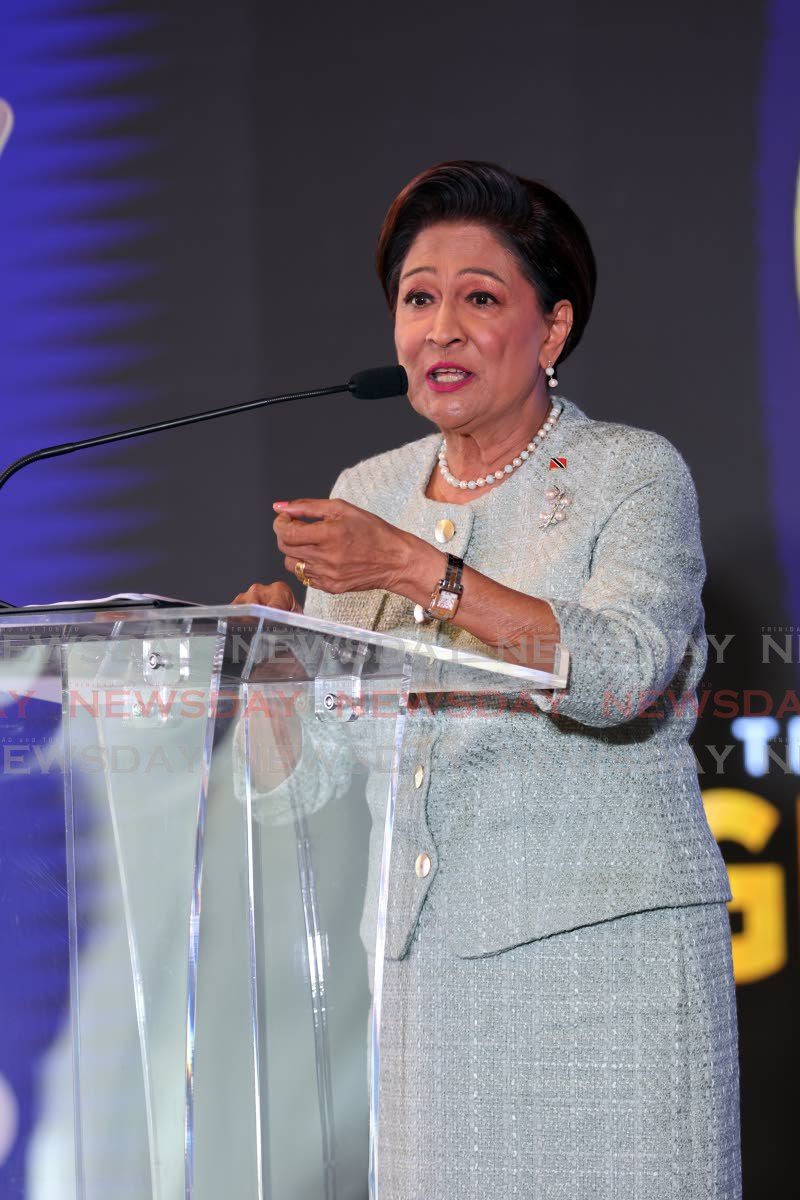
Prime Minister Kamla Persad-Bissessar’s administration is facing scrutiny over its reversal on traffic penalty policies, with government supporters mounting a vigorous defense of the controversial measures. The policy shift, which saw certain traffic fines increased by December 2025, represents a significant departure from campaign promises made in April 2024 when the opposition leader pledged reductions.
The justification for this policy reversal centers on deteriorating road safety conditions throughout Trinidad and Tobago. Official reports indicate a troubling escalation in reckless driving behavior and persistently high traffic fatalities, with 109 road deaths recorded within the year preceding the policy change. This alarming statistic prompted what government advocates characterize as necessary and decisive intervention.
In an editorial communication, Leisha S Dhoray argues that true leadership necessitates adaptability when confronting emerging public safety crises. The correspondence emphasizes that the Prime Minister’s response demonstrates courageous governance rather than political inconsistency, noting that circumstances had fundamentally changed since the original campaign commitment.
The defense further contends that substantial penalties serve as essential deterrents in jurisdictions worldwide that prioritize road safety. The administration maintains that the primary objective remains saving lives rather than political point-scoring, with the measures representing a proportionate response to what officials have classified as a national safety emergency.
Regarding criticisms about fine magnitudes, the position asserts that meaningful deterrence requires financially significant penalties. The communication concludes that responsible driving eliminates any burden of increased fines, positioning the policy as ultimately placing public welfare above political convenience.