As Trinidad and Tobago enters 2026, the nation confronts what analysts are calling a “decision year” rather than a fresh start. The global landscape has undergone fundamental shifts that disproportionately impact small nations, characterized by rapid technological displacement of jobs, mounting fiscal pressures on governments worldwide, and persistently rising living costs. These conditions represent permanent structural changes rather than temporary disruptions.
Leadership Paradigm Shift
Globally effective leadership models demonstrate that preparation for reality trumps political campaigning. Singapore’s Prime Minister Lawrence Wong exemplifies this approach through direct engagement with citizens about inflation, global conflicts, and economic restructuring. Similarly, Estonia’s former Prime Minister Kaja Kallas transformed her small nation into a digital governance powerhouse through transparent systems that reduced bureaucracy. Both leaders treated citizens as informed partners rather than passive spectators, establishing new benchmarks for effective governance.
Employment Transformation
Traditional employment models centered on job availability are collapsing as governments digitize and automate. The critical pivot requires shifting from job-seeking to value creation through problem-solving skills in design, accounting, marketing, education, technology, or operations. The emerging work paradigm emphasizes project-based collaboration where three solopreneurs can generate revenue without traditional corporate structures.
Foreign Exchange Imperative
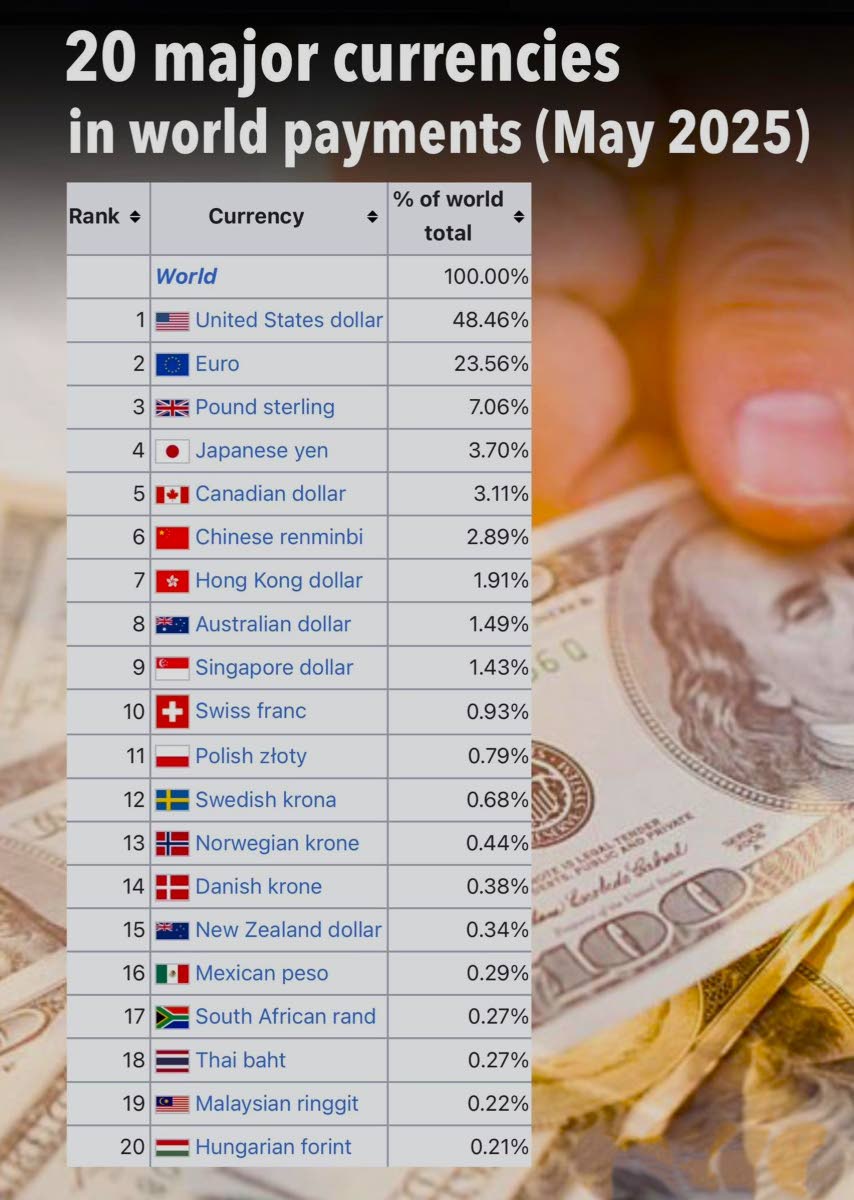
Economic growth remains constrained when limited to domestic transactions within Trinidad and Tobago’s 1.4 million population. Every business concept must now be evaluated through a foreign exchange lens, as forex availability directly impacts food imports, fuel, medicine, and technology access. Service exports present the most viable path forward, enabling professionals to earn globally while residing locally through digital work, consulting, teaching, and creative services.
Strategic Mobility Framework
The mismatch between trained teachers and local opportunities illustrates the need to reframe mobility as career acceleration rather than failure. English-speaking educators enjoy strong demand across Asian markets including Japan, Vietnam, and Thailand. Comparative analysis reveals that lower nominal salaries in lower-cost countries often yield better savings and quality of life when accounting for living expenses.
Risk Reassessment
The conventional understanding of risk has inverted—inaction now represents the greatest danger. Remaining in stagnant industries or relying on single employers constitutes greater risk than pursuing calculated ventures in skill development, global market exploration, and income diversification. Adaptability has replaced comfort as the safest strategic approach in 2026’s economic landscape.
Success in this decisive year will favor those who adjust early, think beyond national borders, and take proactive responsibility for their economic security, rather than awaiting external rescue.