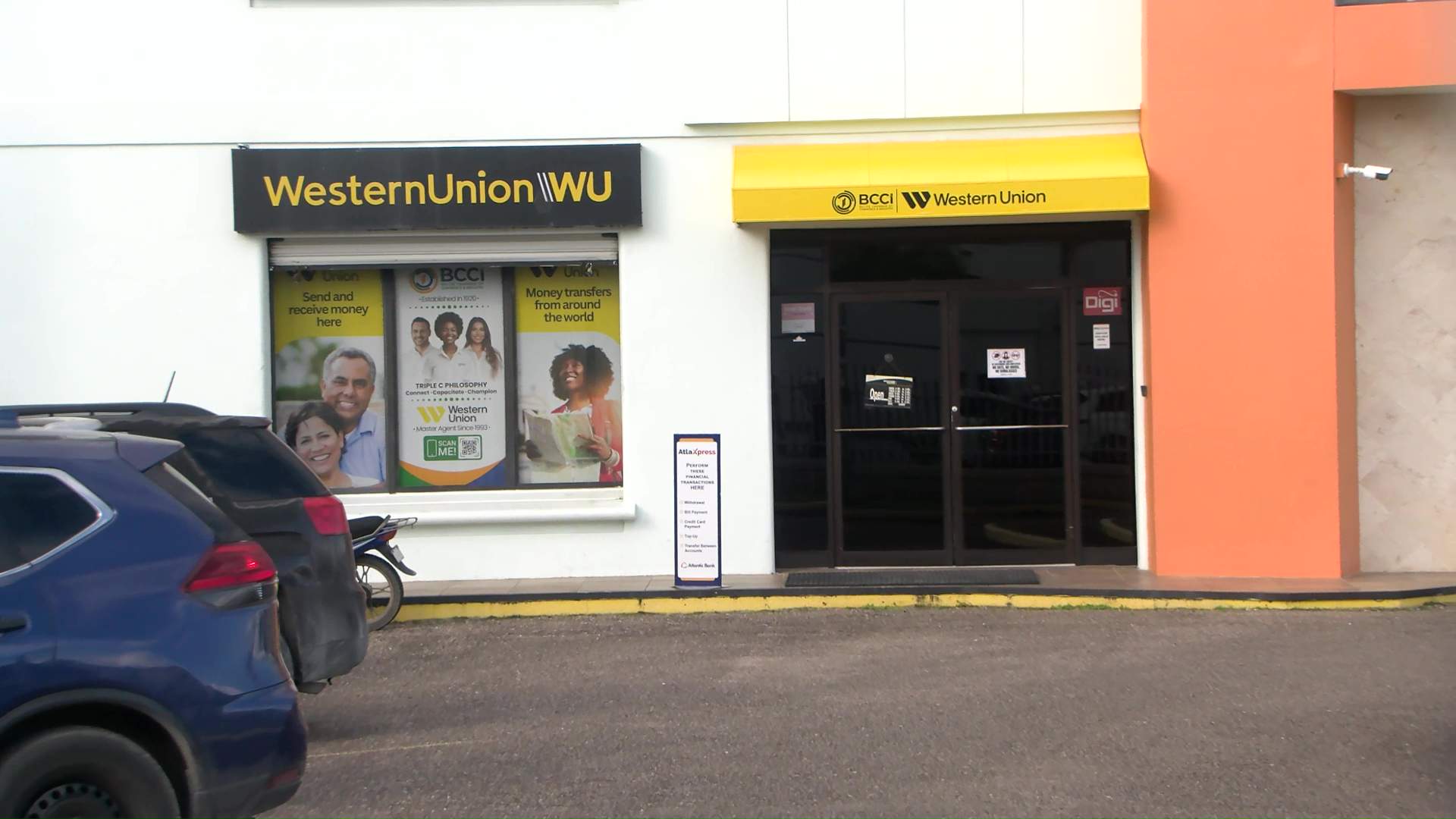
A significant shift in U.S. fiscal policy is poised to directly impact thousands of Belizean families beginning January 1st, 2026. The controversial provision embedded within President Trump’s comprehensive legislative package, colloquially termed the ‘One Big Beautiful Bill,’ mandates a uniform 1% taxation on specific international money transfers originating from the United States.
This regulatory change will apply to prevalent remittance channels including wire services like Western Union and traditional money orders. While the tax levy occurs at the source within U.S. jurisdiction, the economic repercussions will resonate profoundly within Belize, where remittances constitute an essential economic backbone for numerous households.
Financial analysts project that the seemingly modest one percent deduction will accumulate substantially given the volume of transactions. These funds traditionally cover critical living expenses such as nutritional needs, housing costs, educational expenditures, and healthcare services for recipients.
The macroeconomic implications extend beyond individual families, potentially affecting national economic stability. Current data from the Inter-American Development Bank reveals that Belize received approximately $173 million in remittances through November 2025, with an overwhelming 84% originating from U.S. sources. Transaction volumes typically surge during the holiday season, amplifying the potential aggregate impact of the new tax implementation.
This policy transformation raises important questions about the intersection of domestic fiscal strategy and international economic relationships, particularly for nations like Belize where diaspora support mechanisms play a crucial role in socioeconomic sustainability.