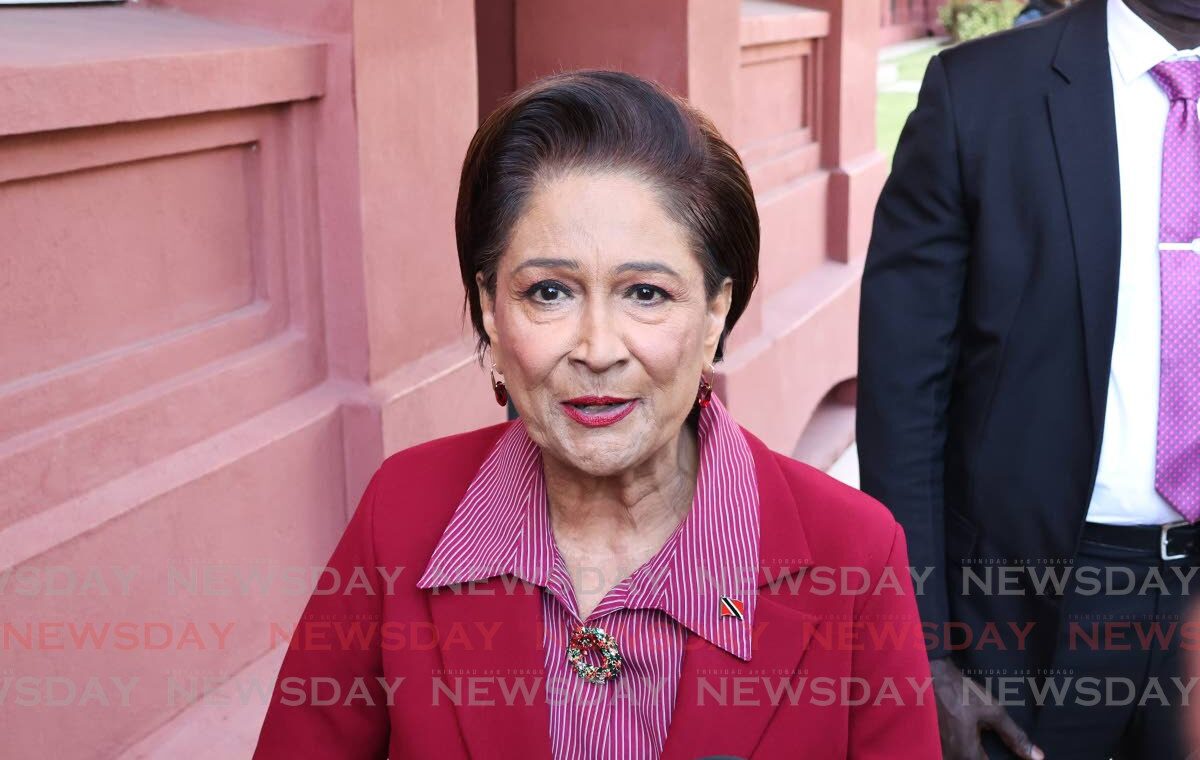
The Trinidad and Tobago administration under Prime Minister Kamla Persad-Bissessar has unveiled a controversial fiscal strategy that critics are labeling as governance through punitive taxation rather than effective policy solutions. Effective January 1, 2026, the government will implement severe increases in traffic penalties—a move the Prime Minister justifies by citing public “lawlessness” and alleged “sub-par intelligence levels” among citizens.
This policy reversal marks a stark departure from the administration’s previous stance. While in opposition, Persad-Bissessar vehemently criticized the former government’s demerit system as creating “hardship,” subsequently dismantling the mechanism upon taking office. The return of traffic chaos has now prompted a response that doubles fines rather than addressing infrastructure or transportation system deficiencies.
Transport Minister Eli Zakour defends the measures as necessary for road safety, though conspicuously absent is any comprehensive mass transit plan or modernization initiative. Concurrently, Finance Minister Davendranath Tancoo has enacted Legal Notices 472 and 473, dramatically increasing customs fees through what the government terms “modernization” efforts.
The most significant impact falls upon public transport operators, with maxi taxi tolls for the Priority Bus Route doubling to $600 quarterly without prior consultation. Route Two president Brenton Knights confirms that this unilateral decision signals the end of the “honeymoon phase” between transporters and the administration.
These revenue-generation measures unfold against a troubling economic backdrop: Consolidated Energy Ltd has been downgraded to CCC+ junk-bond status, a $224 million debt maturity approaches, and natural gas supplies show only marginal improvements. Rather than addressing these fundamental economic challenges, the government has chosen to implement widespread fee increases that will inevitably raise consumer prices across all sectors.
The Prime Minister’s Christmas message emphasizing “compassion” and “service” stands in stark contrast to policies that critics argue demonstrate creative bankruptcy in governance. The administration appears to be taxing citizens into compliance rather than governing them through effective leadership and strategic economic planning.