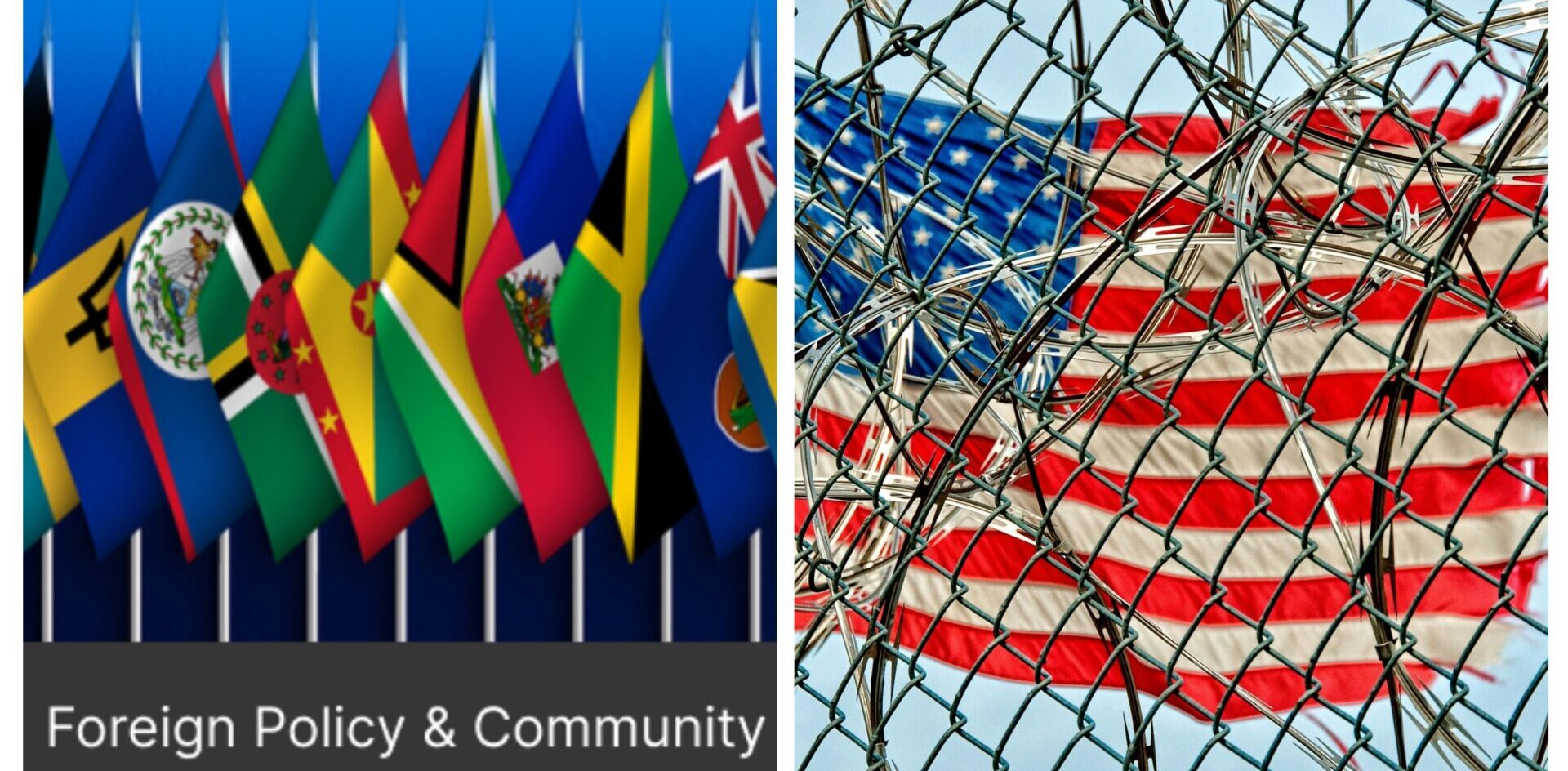
The Caribbean Community (CARICOM) is experiencing unprecedented diplomatic fragmentation as member states struggle to formulate a unified response to the United States’ ongoing military presence in the region under ‘Operation Southern Spear.’ This strategic divergence has exposed fundamental rifts within the 14-nation bloc, threatening its collective foreign policy coherence.
Trinidad and Tobago has emerged as the most vocal dissenter, breaking radically from fellow member states by condemning the operation as emblematic of American hegemony in the Western Hemisphere. Conversely, Guyana has openly endorsed Washington’s power projection, leveraging the situation to strengthen its strategic partnership with the U.S.
Jamaica finds itself in a delicate balancing act. While U.S. Secretary of State Marco Rubio identified Jamaica among Caribbean nations ‘openly cooperating’ with American forces, outgoing CARICOM Chair Prime Minister Andrew Holness has simultaneously advocated for regional unity. His recent warning that the region must act with ‘clarity, cohesion, and strategic discipline’ underscores growing concerns about CARICOM’s vulnerability to external pressures.
The administration of ‘Trump 2.0’ has significantly complicated CARICOM’s diplomatic calculus, forcing member states to navigate competing national interests against regional solidarity. High-level meetings between U.S. and Jamaican delegations in Kingston on December 11 occurred with minimal public disclosure, highlighting the sensitive nature of these engagements.
With CARICOM’s next summit scheduled for early 2026, the bloc faces a critical test of its diplomatic resolve. The Guyana-based CARICOM Secretariat must mobilize all available diplomatic channels to address these challenges. However, experts caution that even concerted efforts may prove insufficient to overcome deeply entrenched foreign policy divisions, potentially increasing the diplomatic costs for the regional grouping and its international partnerships.