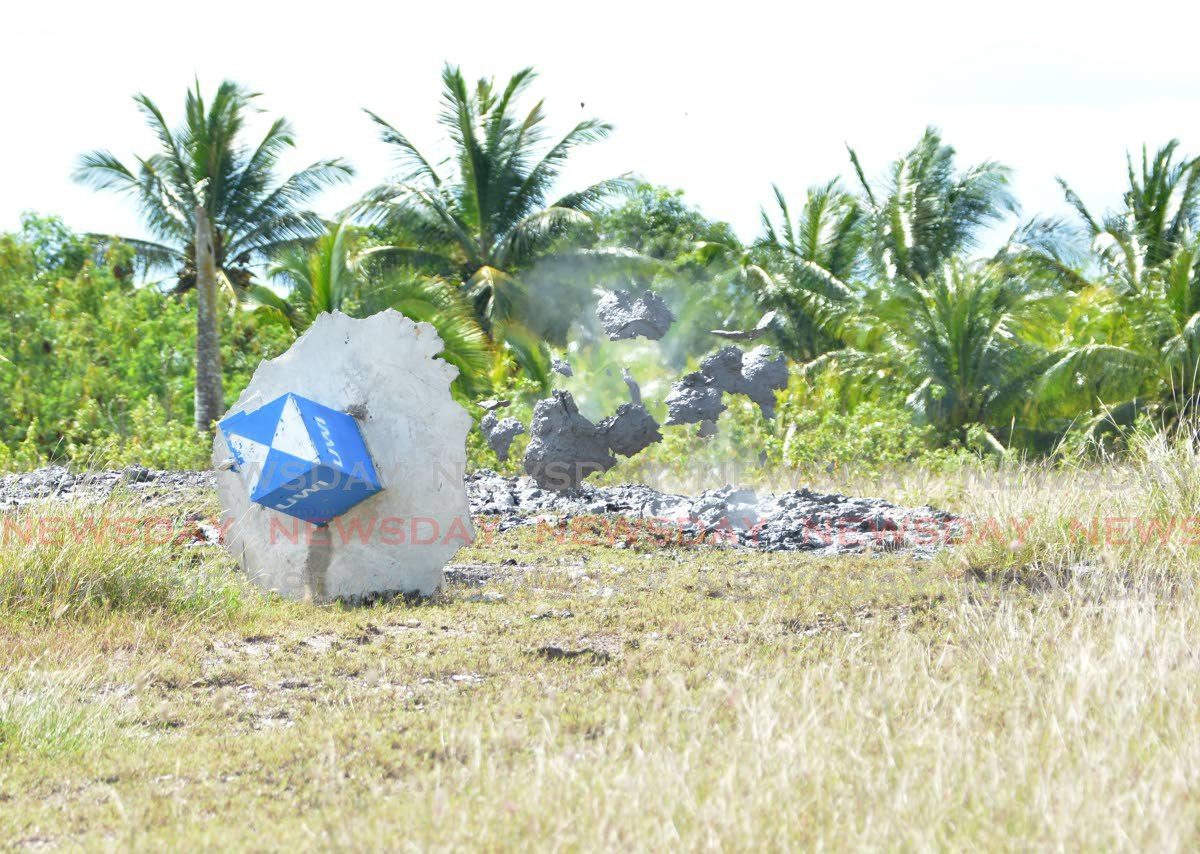
A comprehensive assessment by the University of the West Indies (UWI) research team has revealed alarming activity levels at Trinidad’s Piparo Mud Volcano, prompting urgent calls for enhanced monitoring capabilities and immediate community alertness. The geological phenomenon, which began exhibiting significant activity on December 24, 2025, has demonstrated concerning subsurface pressure buildup that threatens widespread surface deformation beyond the immediate crater area.
Led by Professor of Geomechanics and Geophysics Oshaine Blake and PhD Geoscience candidate Kerneese Ramjarrie, the multidisciplinary team including Dr. Lorraine Sobers, Dr. Kailas Banerjee, Dr. Dexter Davis, and Dr. Ryan Ramsook conducted extensive field assessments following the initial eruption event. Their investigation determined that the Christmas Eve incident primarily resulted from subterranean gas release and pressure accumulation, potentially triggered by human-induced environmental changes or tectonic compression mechanisms.
The research findings indicate that Piparo ranks among the most active of Trinidad and Tobago’s 32 mud volcanoes, with historical precedent dating back to the destructive 1997 eruption that caused substantial property damage and resident displacement. Current data analysis reveals large pressurized systems of mud and gas are actively migrating northwestward from the main crater, generating ground displacement, structural fractures, and infrastructure damage across extended areas without visible surface vents.
Professor Blake’s team emphasized the particular danger presented by pressure accumulation in northwestern regions where absent ground movement prevents natural venting. This phenomenon explains why roads, residential structures, and utility networks experienced damage during the December event despite no visible eruption sources in affected zones.
The researchers have recommended expanding the monitored area to 400 acres to comprehensively map the pressurized system’s full extent. They urgently appealed for funding to establish advanced monitoring infrastructure that would enable predictive capabilities and eruption risk mitigation strategies. Such investment would facilitate developing a comprehensive early warning system and subsequent hazard zonation mapping for vulnerable communities.
Local authorities have been advised to maintain heightened alert levels and implement precautionary measures, including restricting access to the main crater and surrounding fractured areas. Residents are urged to report any emerging cracks, gas emissions, or ground movement observations to emergency services immediately.