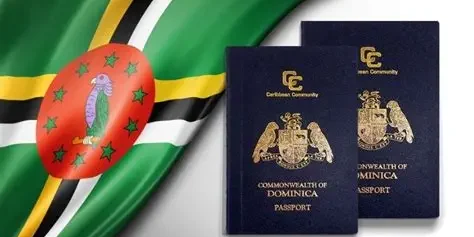
The recent U.S. Presidential Proclamation suspending visa categories for nationals of several Caribbean nations has ignited intense regional debate, revealing deeper geopolitical undercurrents beyond surface-level compliance issues. While commentators Paul Alexander and Diana Pascal present contrasting views—the former criticizing U.S. weaponization of visa policies, the latter highlighting Caribbean institutional weaknesses—both overlook the fundamental geopolitical recalibration underway.
The suspension affecting Dominica, Antigua & Barbuda, and implicitly other Eastern Caribbean states represents more than immigration policy adjustments. It reflects Washington’s strategic containment efforts targeting nations perceived as facilitating mobility for nationals from adversarial states, particularly within the Venezuela-Cuba axis. The timing coincides with Trinidad and Tobago Prime Minister Kamla Persad-Bissessar’s rejection of CARICOM solidarity, signaling regional fragmentation amid renewed U.S. ‘gunboat diplomacy’ under Secretary of State Marco Antonio Rubio’s influence.
European pressure compounds the challenge, with the EU revising its Visa Suspension Mechanism to treat Citizenship by Investment (CBI) programs as structural risks regardless of misuse. This transatlantic coordination threatens the visa-free access that has long been a cornerstone of Caribbean CBI marketing.
Despite these pressures, CBI programs have legitimately funded critical infrastructure including hospitals, climate resilience projects, and education systems. The core issue remains enforcement cooperation rather than revenue model validity. Some nations like Dominica have implemented substantive reforms including enhanced due diligence and name-change protocols, while St. Vincent promotes regional solidarity over isolation.
The path forward requires sovereign transparency through formalized data-sharing agreements with U.S. and EU authorities, accelerated establishment of the Eastern Caribbean CBI Regulatory Authority (EC CIRA), and recommitment to CARICOM unity despite internal disagreements. Caribbean states must engage international partners from a position of mutual interest rather than guilt or defiance, recognizing citizenship as a sacred trust with global responsibilities.
This geopolitical stress test demands professional regulatory convergence and diplomacy grounded in mutual respect, moving beyond blame games toward strategic recalibration that preserves sovereignty while earning international legitimacy.