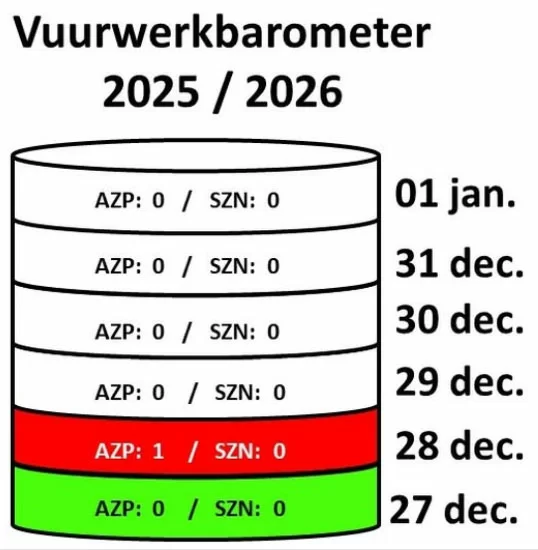
Suriname has documented its inaugural firework-related incident of the year, prompting urgent safety warnings from emergency services. A 24-year-old male presented at the Academic Hospital Paramaribo’s Emergency Department on Sunday evening at approximately 10:00 PM, sustaining significant incense-related trauma to his right eye. The patient has been scheduled for follow-up consultation with an ophthalmologist today.
The emergency medical staff and Suriname Fire Brigade Corps have intensified their campaign for stringent safety protocols during firework celebrations. Authorities emphasize that adult supervision of minors remains absolutely critical during these activities. While acknowledging the entertainment value of fireworks, the fire brigade underscores that enjoyment must be balanced with serious responsibility.
Official guidelines mandate comprehensive eye protection through certified safety goggles and strictly prohibit hand-launched ignition of fireworks. The utilization of extended ignition sticks or incense cones is compulsory to minimize severe injury risks. The fire brigade has specifically advised against purchasing or activating so-called ‘bang fireworks’ known for their explosive properties.
Dangerous stunts involving pyrotechnics must be avoided at all times, according to the safety directive. Tampering with fireworks or attempting to relight dud devices that failed to ignite constitutes particularly hazardous behavior. Additionally, targeting animals with fireworks constitutes prohibited conduct due to risks of grave physical harm and psychological distress.
Special precautions apply to rocket-type fireworks, with recommendations to secure all windows and doors when neighborhood displays occur. Age-specific regulations establish that children under 7 years must have zero contact with fireworks, while those aged 7-16 may only participate under direct adult supervision.
Finally, authorities urge public vigilance regarding surroundings, particularly near vulnerable establishments including places of worship, healthcare facilities, and residential areas.