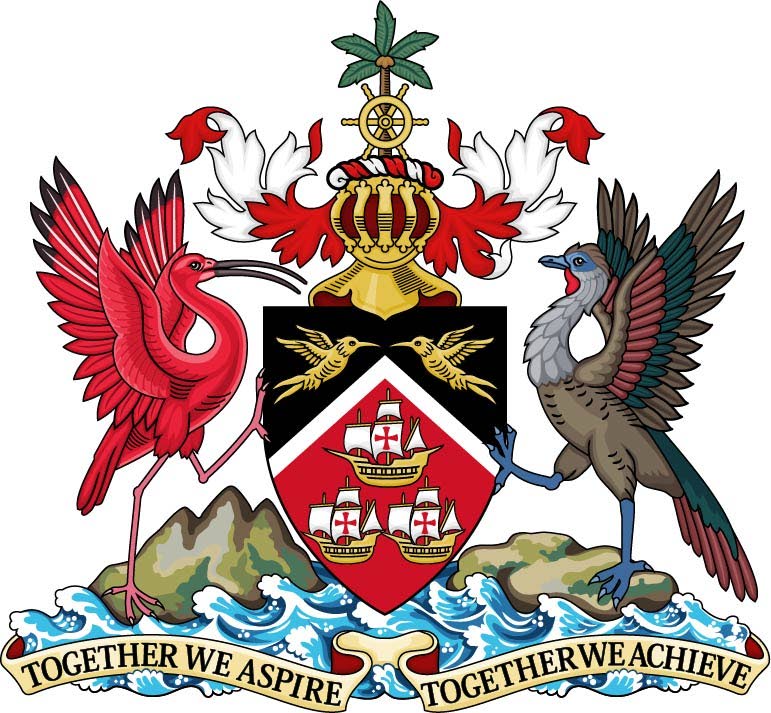
The Trinidad and Tobago government’s communication approach has once again demonstrated significant shortcomings, particularly evident in its recent handling of the national emblem transition timeline. Through a discreet legal notice issued on December 18, Homeland Security Minister Roger Alexander authorized a five-year extension for continued use of the former coat of arms, pushing the full implementation deadline to January 2, 2031.
This administrative decision was enabled by amendments to the National Emblems of Trinidad and Tobago (Regulation) Act, which received unanimous parliamentary support from both the ruling PNM and opposition UNC parties in January. Notably, then-Opposition Leader Kamla Persad-Bissessar had previously observed that the legislation granted ministers unrestricted authority to extend implementation timelines through ministerial orders.
While the extension itself represents practical governance—allowing existing inventory of official materials featuring the old emblem to be depleted—the government’s execution has raised eyebrows. The choice to implement this significant national symbol change through a mere legal notice, without public consultation or formal announcement, contrasts sharply with the administration’s approach to other national matters. Notably, the government had convened a press conference to announce the cancellation of the 2025 Independence Day parade, making the low-profile emblem decision particularly conspicuous.
The Rowley administration’s handling of the emblem modification process has been characterized by missed opportunities. While the incorporation of the steelpan into the national coat of arms received widespread support, the government bypassed comprehensive public consultation regarding other potential modifications. The removal of Christopher Columbus’s ships from the emblem was widely viewed as long overdue, but the process lacked the democratic engagement that could have strengthened national unity.
This approach has unnecessarily exposed the government to allegations of operating surreptitiously, creating a self-inflicted controversy that could have been avoided through transparent communication and inclusive decision-making processes.