In a significant escalation of geopolitical tensions, China has imposed comprehensive sanctions against 20 American defense corporations and 10 senior executives in response to Washington’s recently announced $10 billion arms package to Taiwan. The punitive measures, announced by China’s Foreign Ministry on Friday, include asset freezes within Chinese territory and comprehensive business prohibitions for both individuals and organizations dealing with the sanctioned entities.
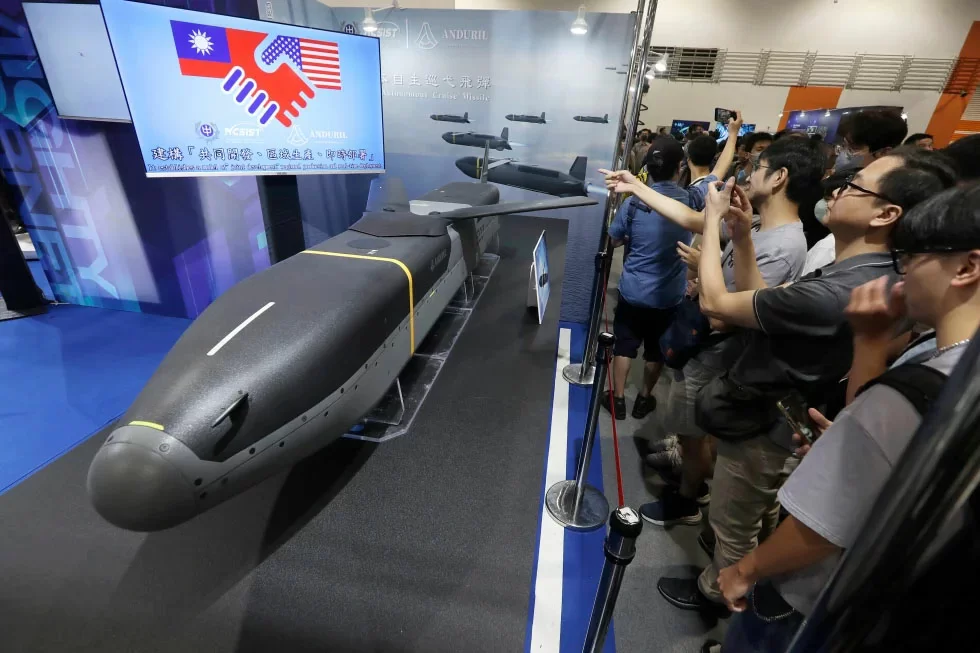
Among the targeted corporations are major defense contractors Northrop Grumman Systems Corporation, L3Harris Maritime Services, and Boeing’s St. Louis division. Notably, Palmer Luckey, founder of defense technology firm Anduril Industries, faces personal sanctions including travel bans to China and frozen assets within East Asia. Anduril had previously collaborated with Taiwan’s National Chung-Shan Institute of Science and Technology to develop the Barracuda 500 autonomous cruise missile, recently displayed at Taipei’s Aerospace & Defense Technology Exhibition.
The Chinese Foreign Ministry characterized Taiwan as “the core of China’s fundamental interests” and “the first red line that must not be crossed in China-US relations.” Officials warned that “any enterprise or individual involved in arms sales to Taiwan will inevitably pay the price for their mistaken actions,” while urging the United States to cease what Beijing describes as “dangerous steps of arming Taiwan.”
This development occurs against the backdrop of intensified Chinese military operations around Taiwan, with near-daily joint exercises involving warships and fighter jets in adjacent airspace and waters. The situation represents a critical flashpoint in US-China relations, with analysts expressing concern about potential escalation into military conflict between the two global powers.
The $10 billion arms package, which would represent the largest US weapons transfer to Taiwan if approved by Congress, violates previous diplomatic agreements between Washington and Beijing according to Chinese officials. This confrontation further strains already tense bilateral relations complicated by ongoing disputes over trade, technology, and human rights issues.