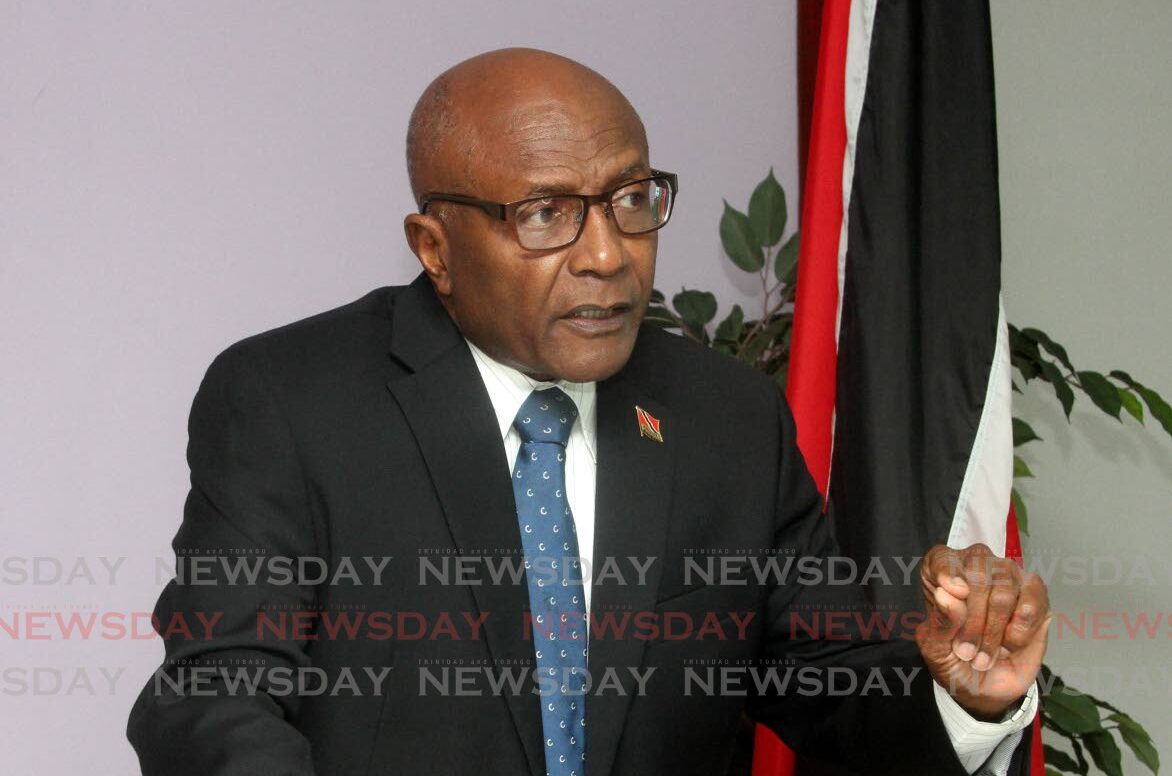
Former United National Congress (UNC) parliamentarian and diplomat Rodney Charles has issued a stark warning to Trinidad and Tobago’s government regarding its unwavering support for the ongoing US military deployment across the Southern Caribbean. In a detailed Facebook post dated December 20, the seasoned statesman articulated profound concerns about the strategic implications of current foreign policy directions.
Charles, who previously served as Trinidad and Tobago’s Ambassador to the United Nations during Prime Minister Kamla Persad-Bissessar’s initial administration (2010-2015) and later as shadow foreign minister until April 2025, emphasized that his critique stems from patriotic concern rather than anti-American sentiment. The veteran diplomat referenced his personal connections to the United States, including his postgraduate tenure at Carleton University where he briefly served as a White House press intern and State Department participant, plus family members who have served in US military capacities.
His central argument challenges the government’s assumption that current US political dynamics under President Donald Trump will remain permanent. Charles highlighted upcoming US midterm elections in November 2026, suggesting potential significant Democratic gains that could dramatically alter foreign policy trajectories. He warned that Trinidad and Tobago risks positioning itself on ‘the wrong side of even their foreign policy realities’ in a potentially transformed political landscape.
The former ambassador expressed particular concern about deteriorating regional relations, noting that Caribbean Community (CARICOM) partners are viewing Trinidad and Tobago’s stance with increasing skepticism. He suggested current policies are ‘undermining that regional body’ and creating conditions that could lead to ‘likely recolonization of the region’ as external powers exploit apparent divisions.
Charles also pointed to concerning regional developments including the growing isolation of Antigua and Barbuda plus Dominica, alongside negative travel advisories affecting tourism-dependent economies like Barbados, Grenada and St. Lucia during critical winter tourist seasons. He connected these developments to President Trump’s revival of the Monroe Doctrine through the National Security Strategy 2025 document, which explicitly seeks allied support for executing US policy objectives.
The former diplomat concluded that current foreign policy approaches appear predicated on three precarious assumptions: the perpetual reign of Trumpism in US politics, successful regime change in Venezuela, and the permanent eradication of Bolivarian nationalism in any subsequent Venezuelan government—all of which he considers dangerously speculative foundations for national strategy.