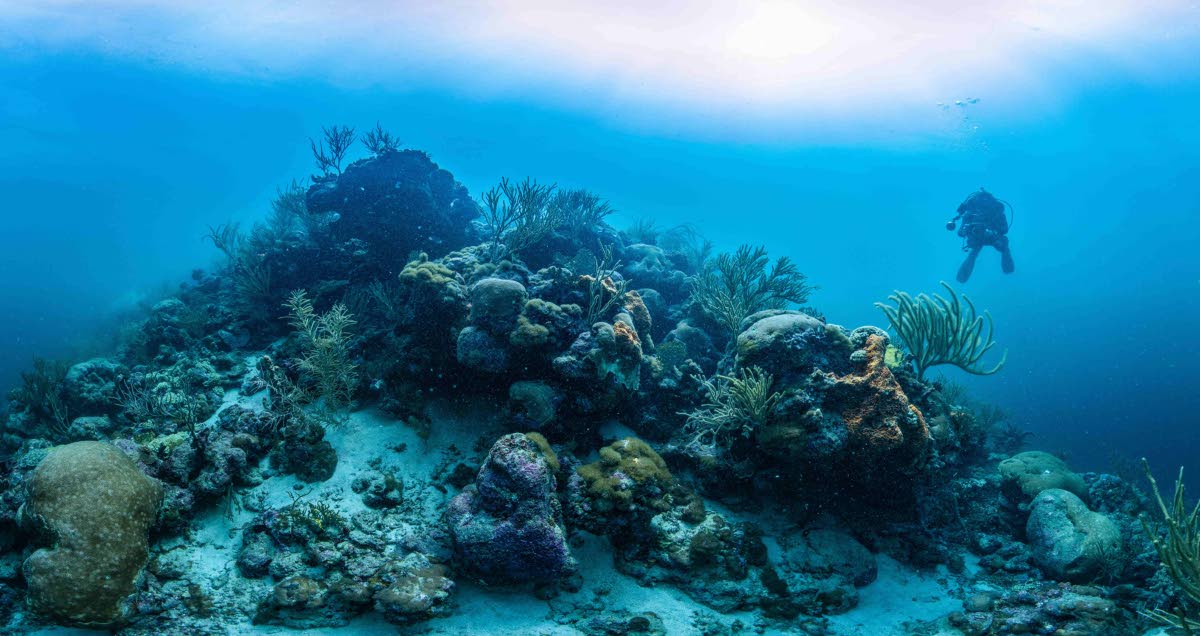
Marine ecologist Dr. Anjani Ganase has issued an urgent appeal for public engagement with Tobago’s coral ecosystems, proposing an ambitious “Visit Ten Coral Reefs in 2026” initiative to foster marine conservation awareness. This call to action emphasizes that direct experience—whether through physical exploration or virtual immersion via platforms like Google StreetView and the Maritime Ocean Collection—is crucial for understanding the precarious state of these vital ecosystems.
Coral reefs, fundamental to island sustainability, currently face existential threats from unchecked coastal development, pollution, overfishing, and climate-induced bleaching. Dr. Ganase highlights that active public monitoring can identify early warning signs such as disease outbreaks, invasive species proliferation, and bleaching events. The degradation of specific reefs—including Culloden, Arnos Vale, and Bopez—serves as stark evidence of development impacts, with newly approved projects in Kilgwyn and Rocky Point posing additional risks to mangrove and reef systems.
Tobago’s reef network showcases both vulnerability and resilience. The Buccoo Reef Marine Protected Area, despite management challenges, remains popular for its vibrant Coral Gardens featuring resilient boulder star corals. Mount Irvine Reef maintains remarkable biodiversity owing to limited coastal construction, while Castara Reef offers a microcosm of marine diversity with seahorses, juvenile turtles, and crustaceans. The northern Booby Island reefs support ancient brain corals and mountainous star colonies, though many show historical degradation.
Critical recovery zones include Melville Drift, where parrotfish populations are essential for algal control and coral regeneration, and Blackjack Hole, where sponge competition threatens coral dominance. Angel Reef near Goat Island represents conservation success with centuries-old coral structures and unique nudibranch populations.
The Bon Accord mangrove system exemplifies interconnected ecosystems, functioning as vital nurseries when protected from pollution and development. Dr. Ganase contrasts Tobago’s challenged mangroves with protected systems on Australia’s Great Barrier Reef that thrive with marine life.
The ecologist concludes that systemic change requires public pressure on governmental bodies like the Tobago House of Assembly and Environmental Management Authority. With inadequate marine protection legislation since independence, she advocates for 2026 to become a watershed year for policy action, public advocacy, and photographic documentation shared with NGOs and regulators to prevent irreversible reef loss within our lifetime.