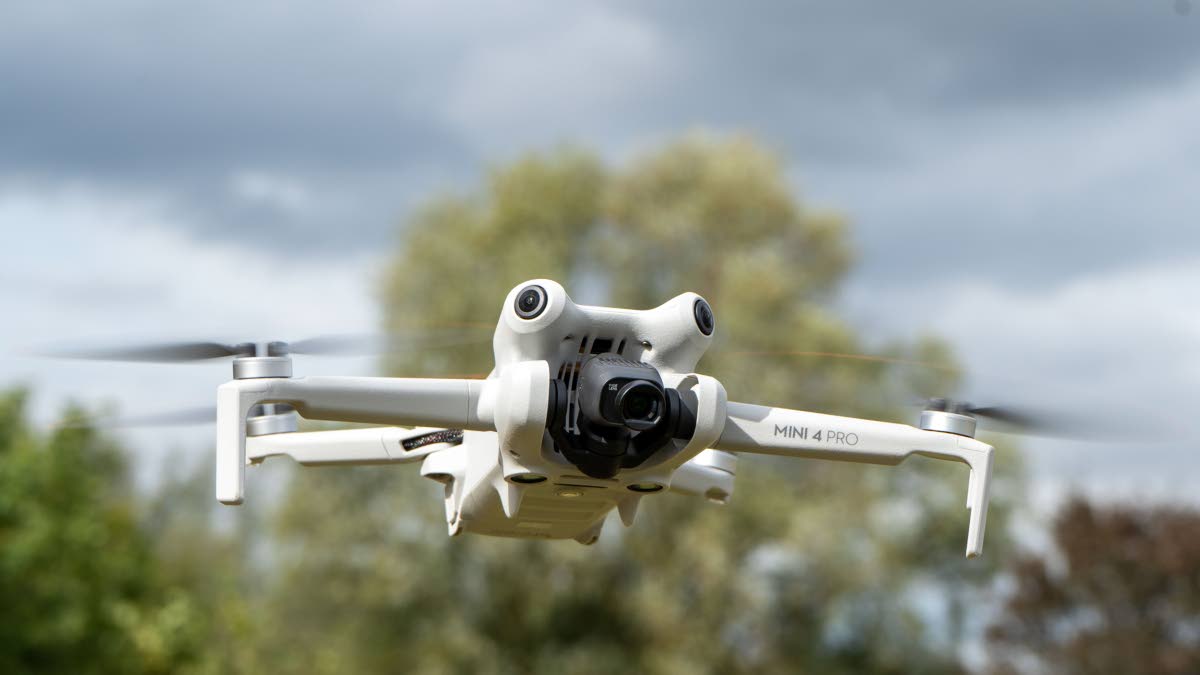
The Ministry of National Security of Trinidad and Tobago has raised serious concerns regarding unauthorized drone operations within restricted airspace surrounding the nation’s primary aviation hubs. Defence Minister Wayne Sturge issued an official statement on December 24, confirming these activities occurred in close proximity to both Piarco International Airport in Trinidad and ANR Robinson International Airport in Tobago.
According to ministry investigations, these drones were operated within a five-kilometer radius of both airports, deliberately violating established security perimeters. Minister Sturge emphasized that beyond the obvious aviation hazards, the intentional capture and dissemination of military installation footage represents a direct threat to national security. “Such actions expose our citizenry to entities that might exploit this information to our detriment,” Sturge stated.
Authorities have launched comprehensive investigations to identify those responsible for the illegal drone surveillance. The minister warned that persistent unlawful operations would trigger necessary government interventions, including potential measures under the current state of emergency initially declared in July and extended through October for an additional three-month period.
This security development coincides with the recent installation of advanced G/ATOR radar technology at ANR Robinson International Airport by US Marines in November. Developed by Northrop Grumman, this sophisticated radar system specializes in detecting unmanned aerial systems, cruise missiles, and various airborne threats.
Prime Minister Kamla Persad-Bissessar initially remained discreet about the radar deployment but subsequently acknowledged its role in combating drug trafficking activities. When questioned about support infrastructure surrounding the radar installation, the Prime Minister displayed visible frustration with what she termed ‘nonsensical inquiries’.
These security enhancements align with Trinidad and Tobago’s approval for US military aircraft transit through national airports, described by the Foreign and Caricom Affairs Ministry as logistical support operations for replenishment and personnel rotations.
The strategic partnerships unfold against the backdrop of the recently published US National Security Strategy 2025, which emphasizes strengthened hemispheric cooperation for migration control, drug interdiction, and enhanced regional stability.
At a recent political gathering, Prime Minister Persad-Bissessar vehemently defended her administration’s security cooperation with the United States, cautioning that criticism could jeopardize the US visa status of approximately 350,000 Trinbagonians. She asserted that the United States remains Trinidad and Tobago’s sole viable partner for national protection against external threats, citing their superior resources and capabilities.
Minister Sturge has consistently supported the Prime Minister’s position, maintaining that Trinidad and Tobago will not serve as a military launchpad for attacks against other nations. However, the minister has declined parliamentary inquiries from opposition members regarding specific security arrangements, citing potential compromise to public interests.