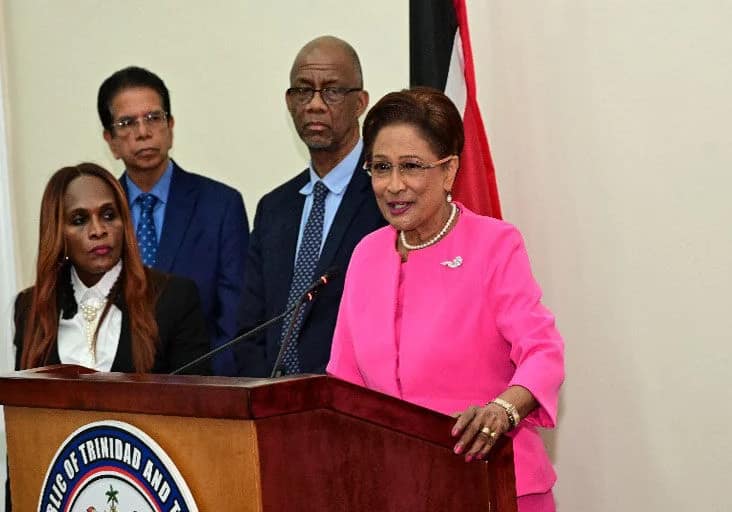
A recent analysis of Trinidad and Tobago Prime Minister Kamla Persad-Bissessar’s statements regarding CARICOM has ignited significant discussion about the regional body’s effectiveness and future direction. Contrary to some misinterpretations, the Prime Minister never advocated for disbanding CARICOM or terminating annual meetings, but rather highlighted the organization’s structural weaknesses and lack of substantive progress.
The core argument centers on the need for frank assessment and open dialogue about CARICOM’s challenges, including weak unity and limited advancement on key regional initiatives. The commentary challenges the prevailing narrative of CARICOM as a completely peaceful region, suggesting that such idealized perceptions hinder meaningful development.
Addressing economic dimensions, the analysis notes that seeking export opportunities beyond CARICOM markets represents established economic strategy rather than radical departure. Similarly, the Caribbean tourism industry has historically targeted extra-regional visitors, with approximately 90% of tourism revenue originating from outside the bloc.
The piece strongly criticizes the tendency to ‘shoot the messenger’ when leaders raise uncomfortable truths about regional shortcomings. It dismisses the common deflection that ‘it’s not what you say, but how you say it’ as an excuse for inaction among immature political actors. The author argues that mature governance requires confronting both positive and negative realities openly.
Regarding transparency concerns, the analysis observes that extra-regional diplomats and expatriates stationed in CARICOM nations already possess comprehensive knowledge of regional developments, from industrial estate occupancy rates to renewable energy project progress. The suggestion that sensitive information should be concealed from international partners is characterized as naïve given modern intelligence-gathering capabilities.
The commentary concludes by acknowledging some existing unity within CARICOM, particularly in celebrating historical achievements like the West Indies cricket team’s World Cup victories in 1975 and 1979. However, it maintains that honest assessment and courageous dialogue remain essential for addressing contemporary challenges, especially as member states face climate vulnerabilities and natural disasters that require coordinated regional response.