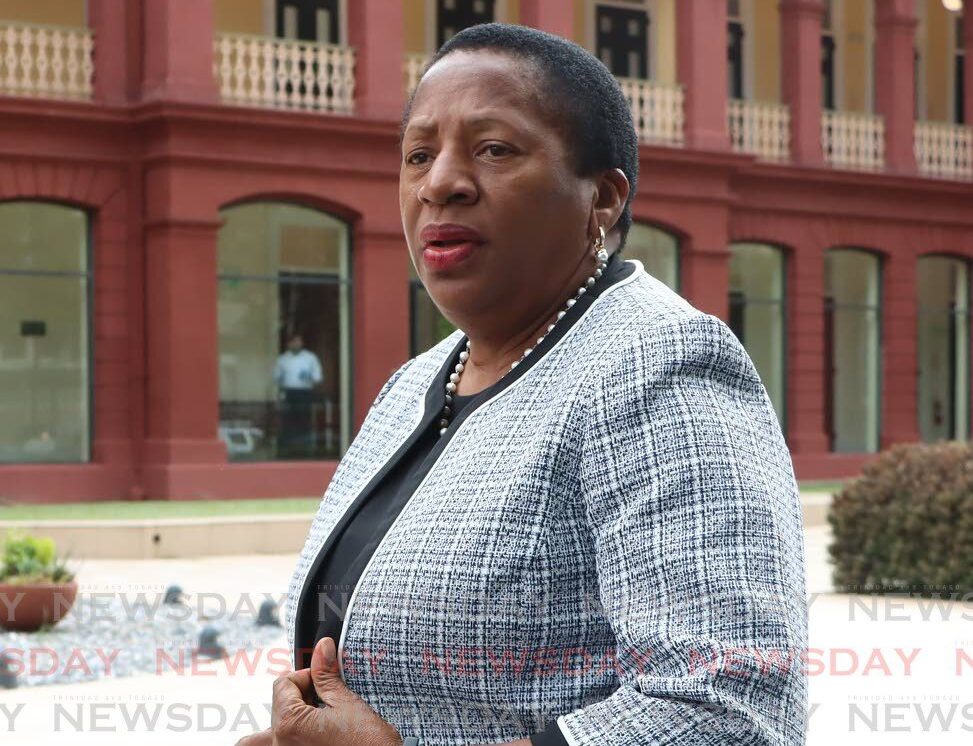
Trinidad and Tobago’s political landscape is embroiled in a heated controversy surrounding the undisclosed establishment of US military infrastructure on sovereign soil. Opposition Leader Pennelope Beckles has launched scathing criticisms against Prime Minister Kamla Persad-Bissessar, accusing her of exhibiting dictatorial tendencies through evasive responses regarding American military presence in Tobago.
The core of the dispute centers on a sophisticated G/ATOR radar system developed by Northrop Grumman, a prominent US defense contractor specializing in advanced military technology including stealth aircraft and unmanned drones. This multi-role detection system, capable of identifying aerial threats from missiles to drones, became operational at the ANR Robinson International Airport in November alongside supporting US Marine facilities.
Beckles, who also serves as Political Leader of the People’s National Movement, condemned the Prime Minister’s dismissive attitude toward legitimate public inquiries. During a December 21 press engagement, Persad-Bissessar exhibited visible irritation when questioned about the military infrastructure, characterizing these national security concerns as ‘nonsense’ and a waste of her time.
The Opposition Leader highlighted concerning inconsistencies in the government’s narrative, noting that Tobagonian leadership including Chief Secretary Farley Augustine maintained no prior knowledge or consultation regarding the military installation. This lack of transparency extends to the National Security Council, where key regional representatives claim exclusion from critical decision-making processes.
Beckles, drawing from her diplomatic experience as Trinidad’s former UN ambassador, emphasized the fundamental principles of international law and CARICOM solidarity that previous administrations had consistently upheld. She expressed grave concerns about the Prime Minister’s simultaneous defense of US military actions while criticizing regional partners for questioning these developments.
The escalating confrontation underscores deeper tensions regarding national sovereignty, governmental accountability, and the proper channels for democratic oversight. Beckles reiterated that no elected leader stands above public scrutiny, emphasizing that transparency remains non-negotiable when concerning matters of national security and international military cooperation.