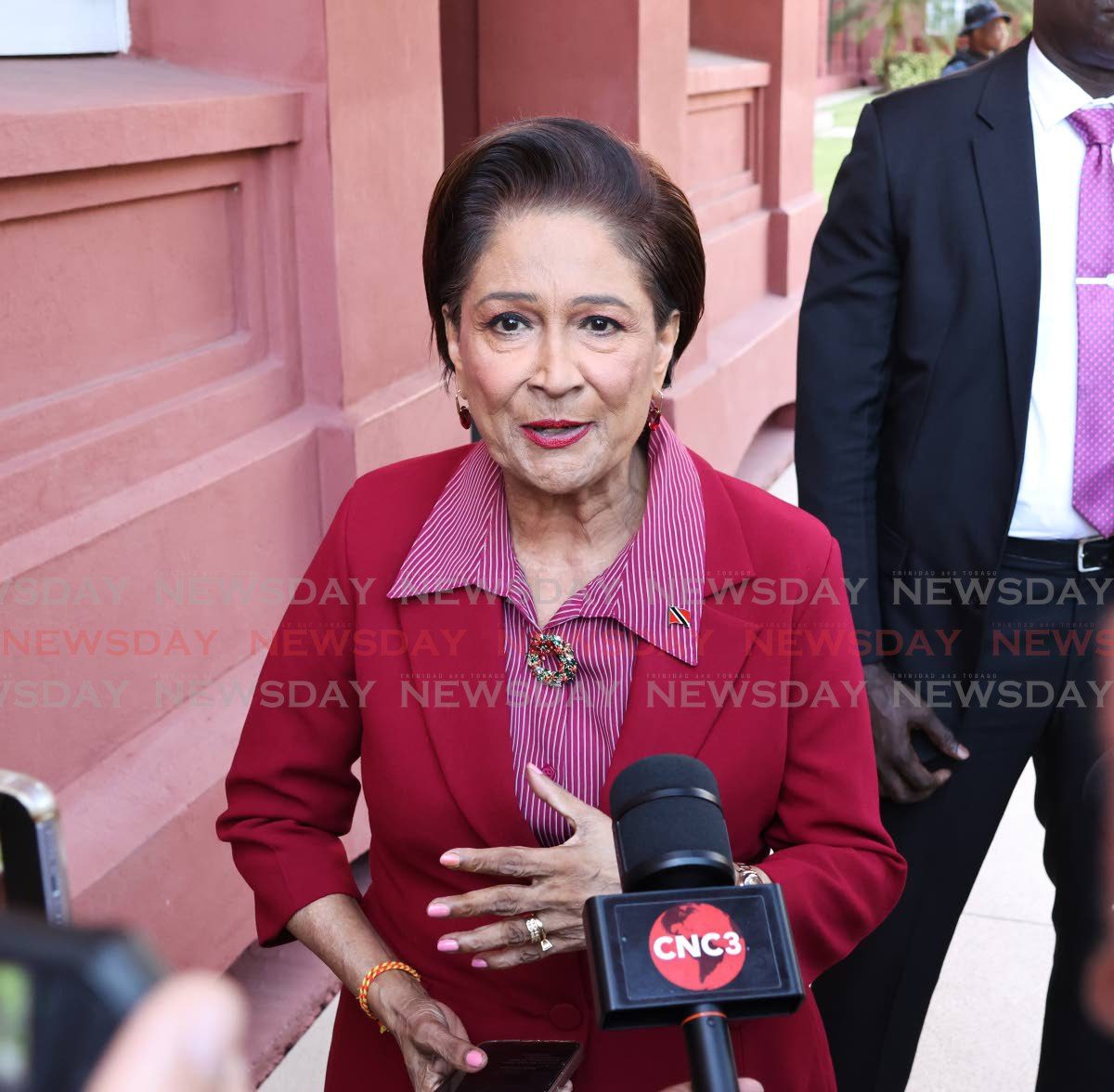
A significant diplomatic strain has emerged within the Caribbean Community (Caricom) as Trinidad and Tobago’s Prime Minister Kamla Persad-Bissessar publicly dismissed concerns about potential economic repercussions from the regional bloc. This development follows escalating tensions with Antigua and Barbuda Prime Minister Gaston Browne, who previously highlighted Trinidad’s substantial economic benefits from Caricom membership.
Despite Browne’s December 21 Facebook post revealing Trinidad earned approximately US$1.1 billion from Caricom trade—including US$142 million in customs revenue under the Common External Tariff protection—Persad-Bissessar maintained an uncompromising stance. When questioned by Newsday about potential withdrawal from the regional organization, the Prime Minister responded via WhatsApp that “Withdrawal from Caricom has not been discussed by Cabinet” and asserted, “I am not worried about any economic impact.”
The controversy stems from Persad-Bissessar’s apparent alignment with United States anti-narcotics operations targeting Venezuelan leadership, which critics characterize as sidelining Caricom’s zone of peace policy. This position has drawn sharp criticism from political opponents, including Port of Spain North/St Ann’s West MP Stuart Young, who labeled the Prime Minister’s approach as “reckless, unwarranted, dangerous and destructive.”
Former foreign affairs minister and Opposition Senator Dr. Amery Browne emphasized the gravity of questioning Caricom’s integrity, noting the organization comprises 21 member states established in 1973. He warned that unsubstantiated accusations of narco-alignment represent serious allegations against multiple sovereign nations.
In a conciliatory December 22 Facebook post, Prime Minister Browne struck a diplomatic tone, expressing affection for Trinidadian citizens while extending “season’s greetings” to his counterpart, suggesting ongoing efforts to de-escalate tensions within the regional community.