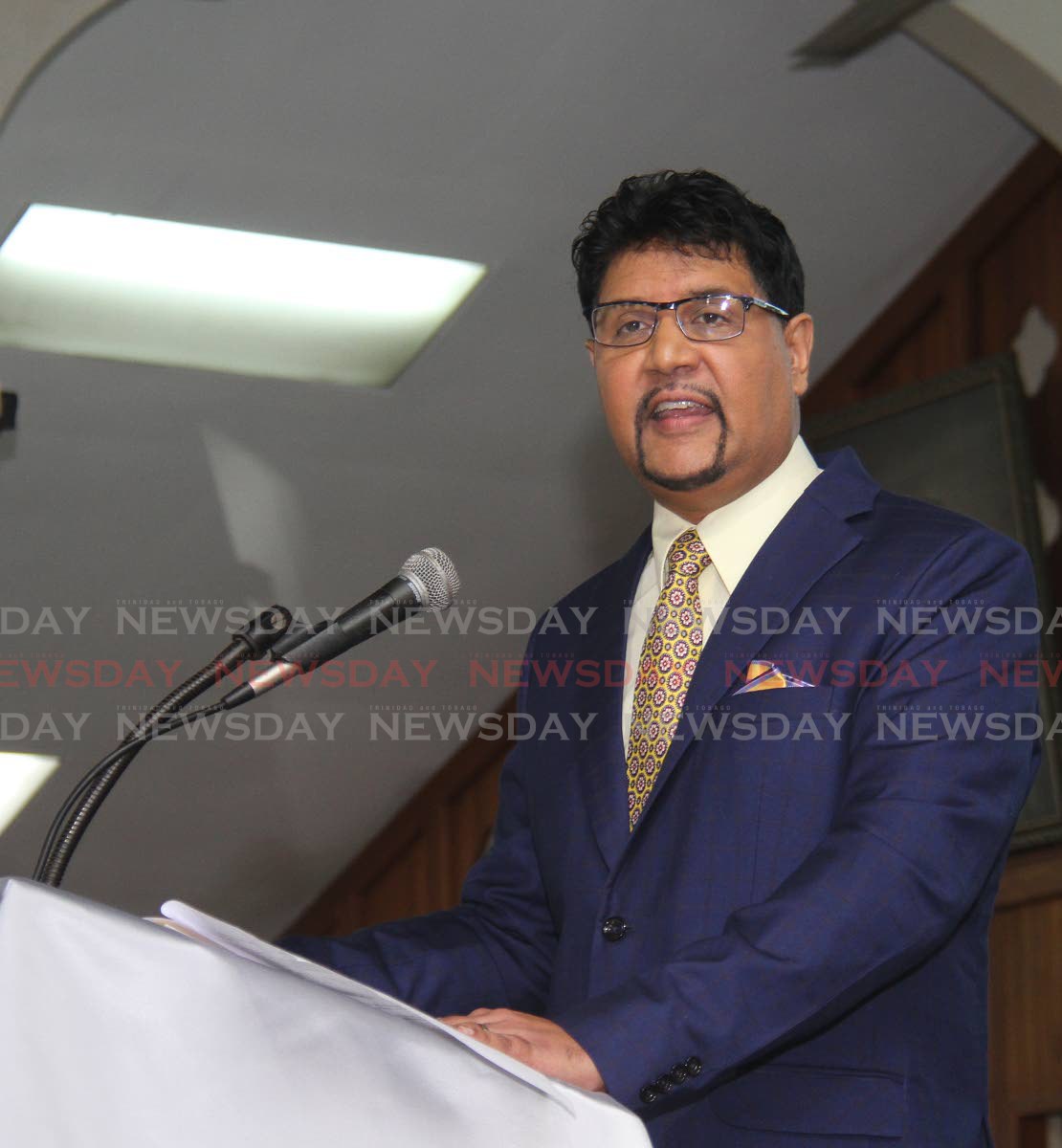
In a significant address blending legal insight with moral guidance, High Court Justice Frank Seepersad has called for measured assessment of recent geopolitical developments in the Caribbean Sea and Pacific Ocean. Speaking to media representatives after delivering his Christmas sermon at Marabella Presbyterian Church on December 21, Justice Seepersad emphasized that state sovereignty entails both the authority and responsibility to act in citizens’ best interests, even when requiring difficult decisions and strategic alliances.
The jurist articulated that national sovereignty empowers nations to legislate and govern for their people’s welfare, yet this mandate frequently involves balancing domestic priorities with regional stability requirements, economic partnerships, and occasionally military or strategic cooperation to sustain growth and viable international trade.
Addressing specific concerns about recent military actions, Justice Seepersad referenced approximately 28 US missile strikes since September 2 that resulted in over 100 fatalities in Caribbean and Pacific waters. While American authorities maintain these targeted vessels were transporting narcotics, no concrete evidence has been publicly presented to substantiate these claims. The judge noted that much commentary surrounding the legality of these actions remains speculative, emphasizing that natural justice principles require comprehensive evidence assessment before reaching conclusions.
Seepersad highlighted pressing regional challenges including what he described as the largest hemispheric migration from Venezuela within the past decade and statements threatening Guyana’s territorial integrity. He characterized these developments as indicators of deeper systemic problems requiring policy reassessment and governance realignment rather than dismissal.
The judge simultaneously delivered a powerful message of communal responsibility during his Christmas sermon, themed ‘Christmas: A Call to Christ and Community.’ He framed Christ’s humility, sacrificial love, and service model as a blueprint for both personal conduct and public life, urging citizens to transcend individualism and actively rebuild communities grounded in spiritual principles.
Drawing from his judicial experience, Seepersad identified widespread familial dysfunction, domestic violence, workplace conflicts, and social erosion caused by envy, greed, and unresolved grudges. He connected these patterns to societal departure from Christ-like behavior and diminishing moral foundations.
Regarding national development, the justice cautioned against excessive polarization and the tendency to blame political leaders exclusively. He emphasized every citizen’s role in building a productive state, calling for enhanced accountability particularly within public service sectors. While acknowledging recent salary improvements for workers, he advocated for viewing employment as more than financial compensation, stressing the need for renewed work ethic, integrity, and productivity.
Justice Seepersad concluded by encouraging citizens to become ‘ambassadors of reconciliation’ by forgiving past wrongs, dismantling stereotypes, and collectively working toward peace and prosperity, carrying Christmas’s transformative message beyond the season into daily life.